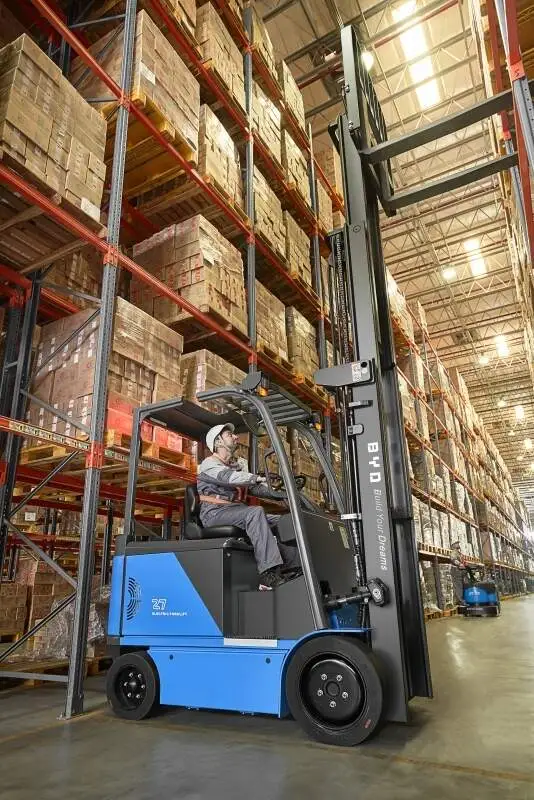
The global demand for electric forklifts has grown exponentially in recent years, fueled by their zero-emission operation, quieter performance, and reduced long-term running costs compared to conventional fuel-powered counterparts. For businesses looking to upgrade their material handling equipment, navigating the trade-off between initial purchase price and long-term reliability is a critical decision that directly influences operational efficiency and financial sustainability.
When evaluating electric forklift options, the upfront purchase price often takes center stage for budget-conscious organizations. Lower-priced models can seem like an attractive short-term solution, as they minimize immediate capital expenditure. However, these cost-saving choices frequently come with compromises in component quality. For instance, entry-level units may use less durable lead-acid batteries instead of longer-lasting lithium-ion alternatives, or feature basic hydraulic systems that are prone to wear and tear. While these lower upfront costs reduce initial outlay, they can lead to increased unplanned downtime, frequent repair bills, and shorter overall service life—ultimately eroding any initial savings.
Long-term reliability, on the other hand, is defined by consistent performance, minimal maintenance needs, and extended equipment lifespan. High-reliability electric forklifts, which may carry a higher initial price tag, are built with robust components: durable batteries that retain charge capacity for years, reinforced structural frames to withstand heavy daily use, and advanced electrical systems designed to resist wear from frequent operations. Additionally, these models often come with comprehensive after-sales support, including regular maintenance plans and readily available replacement parts, which further reduces downtime and extends the forklift’s usable life.
To make an informed decision, businesses should prioritize total cost of ownership (TCO) over just the purchase price. TCO calculates all expenses associated with owning and operating an electric forklift over its lifespan, including initial purchase costs, battery replacements, maintenance fees, energy consumption, and losses from downtime. A higher-priced, reliable forklift may have lower TCO because it requires fewer repairs, has longer battery life, and minimizes operational disruptions. Conversely, a cheaper model might end up costing more over time due to frequent breakdowns and premature replacement needs.
If you’re seeking guidance on balancing purchase price and long-term reliability for your electric forklift investment, Jianshu New Energy is your trusted partner. As a specialist in BYD electric forklifts, we offer a range of models engineered to deliver both value and durability. Our expert team can help you assess your operational requirements, conduct a detailed TCO analysis, and recommend solutions that align with your business objectives. For personalized advice, reach out to us at 17399989919@163.com.