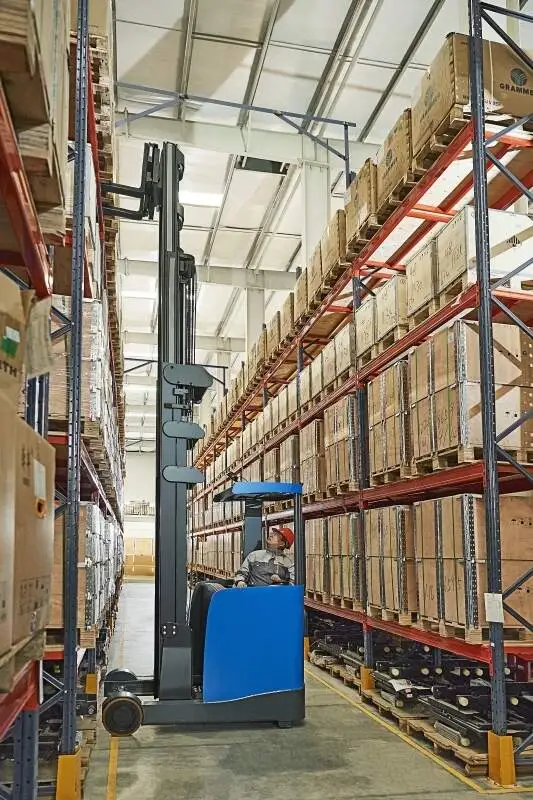
In busy industrial facilities and warehouse environments, moving heavy trailers can be a labor-intensive and time-consuming task. Traditional methods often rely on manual effort or specialized vehicles, which may not always align with existing equipment setups. This is where trailer mover tools compatible with forklift equipment come into play, offering a practical, efficient solution to streamline trailer handling operations.
A forklift-compatible trailer mover tool is an attachment designed to integrate seamlessly with standard forklift equipment. It connects to the forklift’s existing lifting mechanism, transforming the versatile machine into a dedicated trailer-moving unit. These tools are engineered to fit a range of trailer sizes and types, from small utility trailers to larger cargo trailers, making them a flexible addition to any industrial fleet.
One of the primary benefits of using such a tool is enhanced operational efficiency. Forklifts are already a staple in most warehouses and industrial sites, so adding a trailer mover attachment eliminates the need for separate, specialized vehicles. This reduces equipment costs and simplifies fleet management. Additionally, the attachment allows operators to move trailers quickly and precisely, cutting down on the time spent repositioning cargo and optimizing workflow.
Safety is another key advantage. Manual trailer moving can pose risks of strain, injury, or property damage due to the heavy weight and awkward maneuvering. A forklift-compatible trailer mover tool takes the physical burden off workers, enabling controlled, stable movement of trailers. Operators can maintain clear visibility and use the forklift’s existing safety features, such as brakes and stability controls, to ensure secure handling at all times.
Using a trailer mover tool with a forklift involves straightforward steps. First, operators must ensure the attachment is properly secured to the forklift, following the attachment’s guidelines. Next, the tool is aligned with the trailer’s hitch or coupling point, and the connection is locked in place. Once attached, the operator can use the forklift’s controls to lift the trailer slightly, allowing for easy movement across the facility. It’s important to conduct pre-operation checks to verify the attachment’s stability and the trailer’s load balance before moving.
These tools are versatile across various applications. In warehouses, they can be used to reposition empty trailers or move loaded trailers between loading docks and storage areas. In construction sites, they assist with transporting equipment and materials on trailers, supporting on-site logistics. Even in agricultural settings, they can help move hay trailers or equipment trailers, adapting to different operational needs.
When selecting a trailer mover tool compatible with forklift equipment, it’s essential to consider factors such as the forklift’s weight capacity, the trailer’s size and weight, and the specific operational requirements. Ensuring the attachment is compatible with the forklift’s model and lifting mechanism is crucial for safe and effective use. Regular maintenance of both the forklift and the attachment, including inspections of connections and moving parts, will also extend the tool’s lifespan and maintain performance.
In conclusion, trailer mover tools compatible with forklift equipment offer a cost-effective, efficient, and safe solution for handling trailers in industrial and warehouse settings. By leveraging existing forklift infrastructure, businesses can optimize their operations, reduce labor risks, and improve overall productivity. Whether for daily warehouse tasks or specialized industrial projects, these attachments prove to be a valuable addition to any equipment fleet.