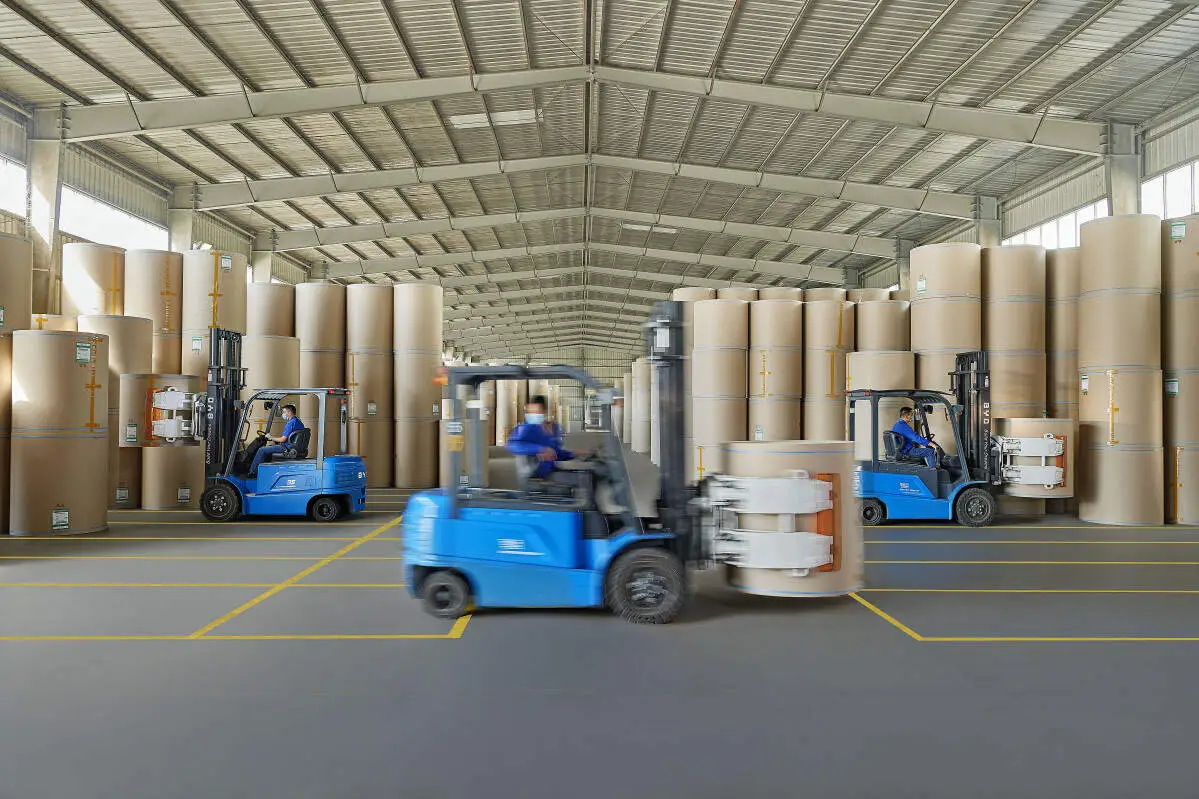
In industrial material transport operations, forklifts are indispensable workhorses, and their forks play a critical role in safely lifting and moving heavy loads. Over time, constant use, exposure to harsh warehouse conditions, and accidental impacts can wear down or damage forklift forks, making replacement a necessary step to maintain operational safety and efficiency. Choosing the right replacement forklift forks is not just about swapping out old parts—it’s a decision that directly impacts workplace safety, load handling performance, and overall productivity.
When selecting replacement forklift forks for material transport, several key factors demand careful consideration. First and foremost is load capacity. Replacement forks must match or meet the original manufacturer’s specified load rating for the forklift model. Using forks with insufficient load capacity can lead to structural failure, posing severe safety risks to workers and damage to goods. Material quality is another crucial factor. High-quality steel forks, designed to withstand heavy stress and resist wear, are ideal for long-term use. Avoid forks made from low-grade materials that may bend or break under regular load conditions. Additionally, proper sizing and fit are essential. Replacement forks should align perfectly with the forklift’s carriage and attachment points to ensure stable load handling and prevent accidental dislodgement during operation.
Proper installation of replacement forklift forks is equally important to their performance. It is recommended to follow standard installation guidelines closely, ensuring all bolts and pins are tightened to the specified torque. After installation, a thorough inspection should be conducted to verify that the forks are securely attached and aligned correctly. Regular maintenance of replacement forks is also vital to extend their lifespan and maintain safety. This includes routine checks for signs of wear, such as small cracks, slight bending, or excessive corrosion. Any damaged or worn forks should be replaced promptly to avoid potential accidents. Additionally, keeping forks clean and free from debris can prevent unnecessary wear and ensure smooth operation.
In day-to-day material transport operations, proper usage of forklift forks can also reduce the need for frequent replacements. Operators should avoid overloading the forklift beyond its rated capacity, as this places excessive stress on the forks. They should also be cautious when handling irregularly shaped or unstable loads, using appropriate attachments if necessary to distribute weight evenly. Avoiding sudden impacts or collisions with pallets, racks, or other objects can also prevent premature damage to the forks.
Investing in high-quality replacement forklift forks and following proper selection, installation, and maintenance practices is essential for safe and efficient material transport operations. By prioritizing these aspects, businesses can minimize downtime, reduce the risk of workplace accidents, and ensure that their forklift fleet remains in optimal working condition. Whether for light-duty warehouse tasks or heavy-duty industrial applications, choosing the right replacement forks is a small but impactful step toward enhancing overall operational performance.