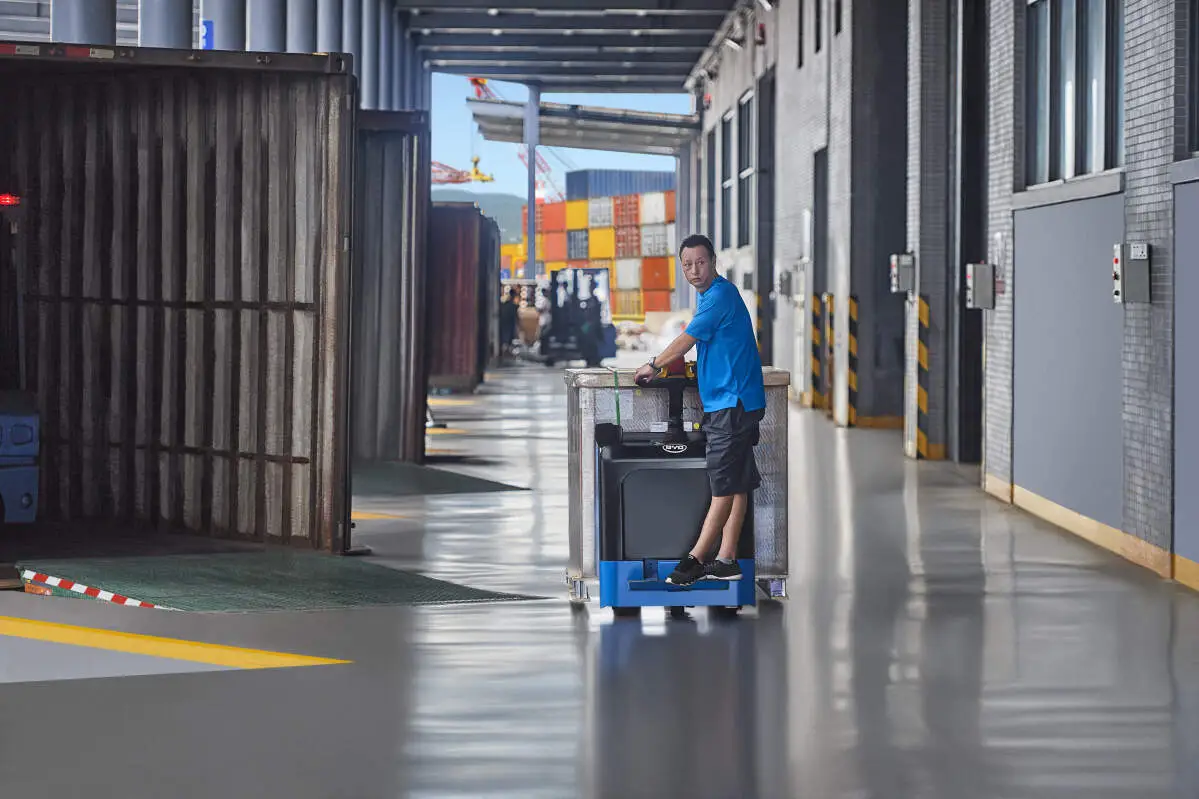
Overseas shipment of forklifts requires meticulous transport planning to ensure safe, timely, and cost-effective delivery across international borders. Unlike standard cargo, forklifts are heavy, bulky machinery with specialized components, making their shipping process more complex. A well-designed transport plan addresses unique challenges such as customs regulations, logistics route constraints, and equipment protection, laying the foundation for a successful cross-border shipment.
The first step in effective transport planning is route optimization and mode selection, which directly impacts shipment costs and delivery timelines. For short-distance cross-border shipments, road transport may be the most efficient option, offering flexibility for door-to-door delivery. For long-haul overseas destinations, sea freight is typically the cost-effective choice, though it requires careful coordination with port terminals equipped to handle heavy machinery. Air freight should be reserved for urgent shipments, as it is faster but comes with higher costs. When mapping routes, planners must also account for infrastructure limitations, such as bridge weight restrictions or narrow road access points at the origin and destination, to avoid delays or additional expenses.
Compliance with international trade regulations is a critical component of forklift overseas shipment planning. Each country has specific import requirements for heavy machinery, including safety certifications, emission standards, and customs documentation. Planners must research and verify these regulations well in advance to avoid costly delays or rejections at border checkpoints. Common documentation includes commercial invoices, packing lists, certificates of origin, and safety compliance reports. Partnering with local customs brokers or logistics experts at the destination can help navigate complex regulatory frameworks and ensure all paperwork is accurately completed and submitted on time.
Proper packaging and secure loading are essential to protect forklifts during transit from physical damage, corrosion, and environmental factors. For ocean shipments, forklifts should be treated with rust-resistant coatings to prevent damage from saltwater exposure. Detachable components such as batteries, forks, or control panels may need to be removed and packed separately for extra protection. Heavy-duty wooden crates or metal frames can provide structural support, while steel strapping and tie-downs ensure the forklift remains stable during loading, unloading, and transportation. Planners should also work with freight handlers experienced in heavy machinery to ensure correct loading techniques are used, reducing the risk of shifting or damage during transit.
Risk mitigation and real-time monitoring are key to addressing unforeseen challenges during overseas shipment. Planners should identify potential risks such as port congestion, adverse weather conditions, or customs delays and develop contingency plans to minimize their impact. Purchasing comprehensive cargo insurance is a vital step, covering potential damage, loss, or theft during transit. Additionally, leveraging logistics tracking technology allows shippers and planners to monitor the shipment’s location and status in real time, enabling quick responses to any issues that arise. Regular communication with freight forwarders and local partners also ensures transparency and helps resolve problems before they escalate.
In summary, a comprehensive transport plan for forklift overseas shipment integrates route optimization, regulatory compliance, protective packaging, and risk management. By addressing each of these areas with careful attention to detail, businesses can ensure their forklifts reach international destinations safely, on time, and within budget. Investing in professional transport planning not only reduces operational risks but also enhances the overall efficiency of cross-border logistics operations.