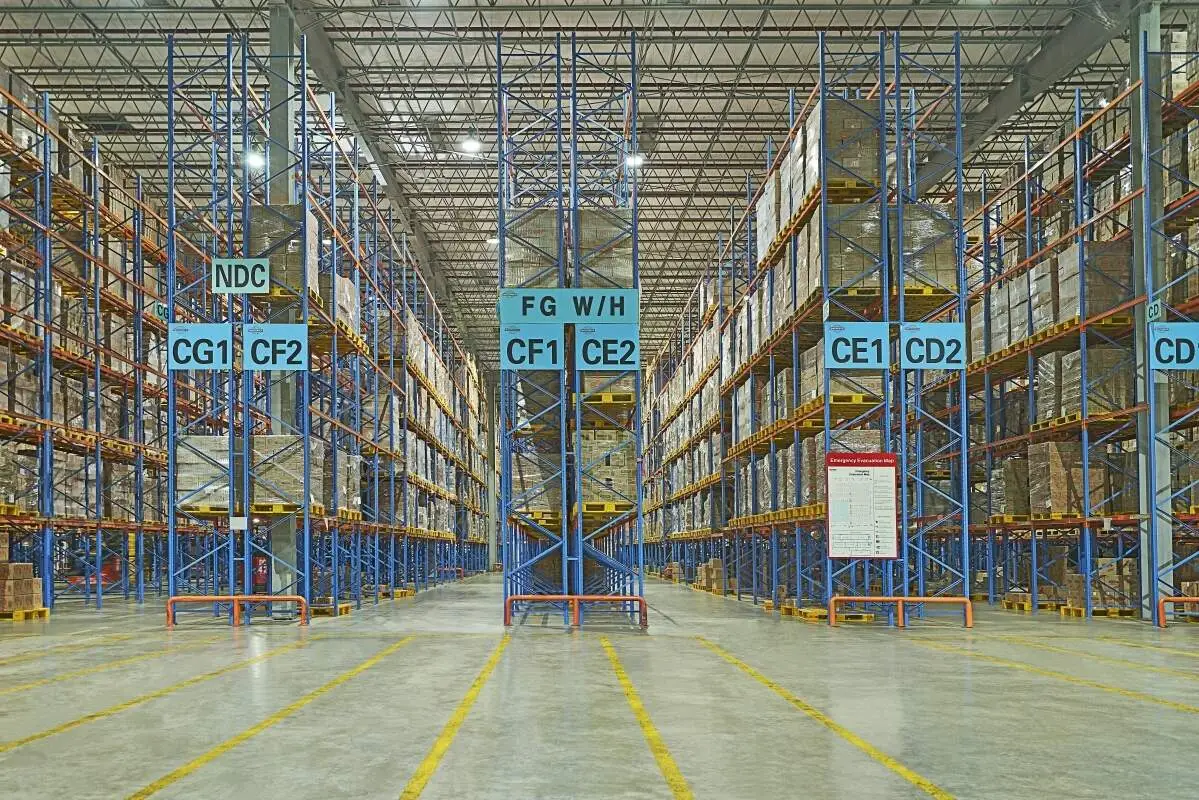
Warehouses face growing pressure to boost operational efficiency, cut costs, and reduce environmental impact as supply chain demands evolve. Outdated material handling equipment, particularly traditional fuel-powered or lead-acid battery forklifts, often becomes a bottleneck, slowing down workflows and increasing long-term expenses. For many facilities, integrating li-ion powered forklifts emerges as a strategic solution to address these challenges while unlocking new levels of performance.
Unlike lead-acid batteries that require hours of charging and regular maintenance like water topping, li-ion batteries offer rapid charging capabilities—many can reach 80% charge in just 30 minutes. This means less downtime for equipment, allowing forklifts to stay in operation longer during peak shifts. Additionally, li-ion batteries have a longer lifespan, reducing the frequency of battery replacements and lowering overall ownership costs. They also produce zero emissions during operation, aligning with sustainability goals and improving indoor air quality for warehouse staff.
One key warehouse upgrade option is phased replacement of existing forklifts. Instead of overhauling the entire fleet at once, facilities can start by replacing the most frequently used or oldest units with li-ion powered models. This approach minimizes upfront investment while allowing teams to adapt to the new technology gradually. Another critical step is integrating smart charging infrastructure. Installing dedicated fast-charging stations strategically throughout the warehouse ensures that forklifts can recharge during short breaks without disrupting operations. Some systems even include energy management features to optimize charging times based on off-peak electricity rates, further reducing costs.
Optimizing warehouse layout to accommodate li-ion forklifts is also essential. These machines are often more compact and maneuverable than traditional models, allowing for narrower aisles and better use of vertical space. Adjusting racking systems and traffic flow patterns can maximize storage capacity and improve movement efficiency. Finally, investing in employee training ensures that staff understand how to operate li-ion forklifts safely, maintain the batteries correctly, and leverage advanced features like telematics for fleet management. This reduces the risk of accidents and ensures the equipment is used to its full potential.
Implementing these warehouse upgrade options with li-ion powered forklifts not only addresses immediate operational bottlenecks but also positions facilities for long-term success. By prioritizing efficiency, sustainability, and cost reduction, businesses can enhance their competitiveness in a rapidly changing supply chain landscape. As more warehouses recognize the benefits of li-ion technology, it continues to become a standard component of modern material handling strategies.