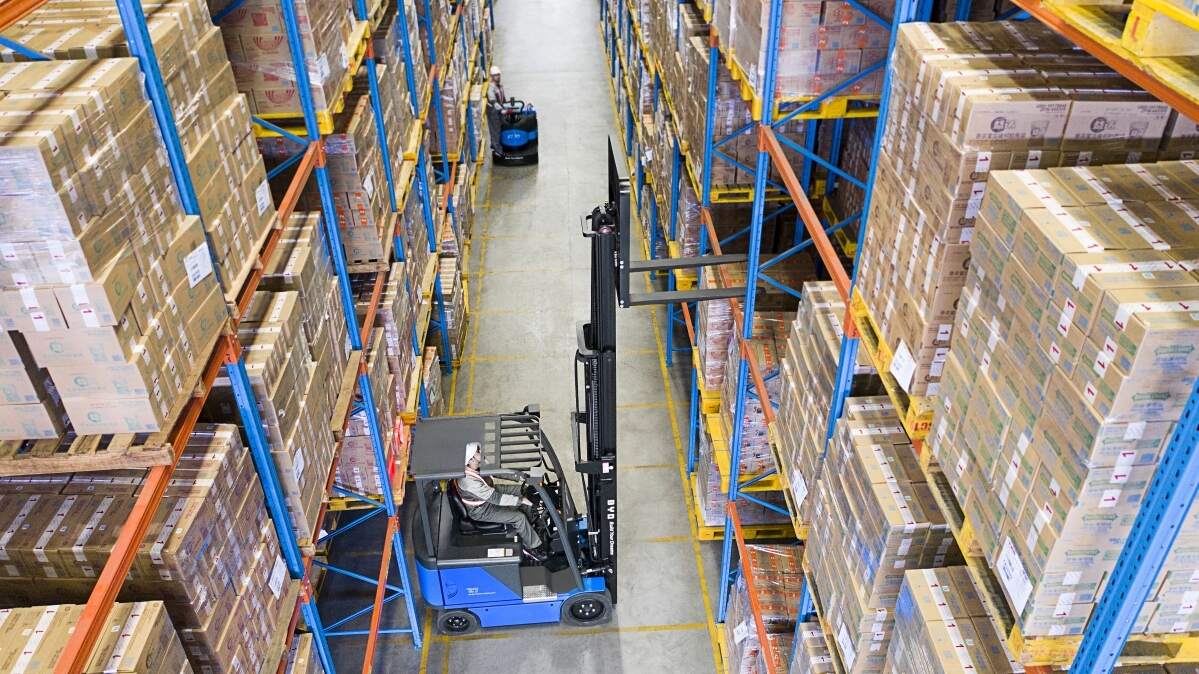
In modern warehousing and logistics, electric forklifts are core to efficient material handling, yet many operators overlook how pallet types directly influence their operating load performance. The material, design and condition of pallets can significantly alter the safe, effective weight an electric forklift can transport, impacting both productivity and long-term equipment health.
Wooden pallets, the most widely used option, have variable load-bearing capacity tied to wood quality, construction and age. A new, solid wooden pallet supports heavier loads reliably, but worn units with cracked slats or broken blocks reduce effective operating load. Inconsistent dimensions also cause uneven weight distribution, forcing the forklift to compensate and straining its components over time.
Plastic pallets offer more consistent load-bearing capabilities than wooden alternatives. Their uniform design ensures even weight distribution, letting electric forklifts operate close to their rated load capacity more reliably. Resistant to moisture and damage, they maintain structural integrity longer, though their lighter weight makes them less suitable for extremely heavy loads, and some designs have limited edge support that affects fork engagement.
Metal pallets, typically steel or aluminum, boast the highest load-bearing capacity among common types. They handle heavy, bulky items without deforming, making them ideal for heavy-duty industries. However, their substantial self-weight reduces the net payload the electric forklift can carry—operators must account for this extra weight to avoid exceeding total operating load limits.
Paper pallets are a lightweight, eco-friendly choice for one-way shipments or light loads. Their low weight allows more of the forklift’s capacity to be allocated to goods, but their load-bearing capacity is far lower than other types. Susceptible to moisture damage, they quickly lose structural strength, making them unsuitable for wet environments or heavy items.
Beyond material, pallet dimensions and condition matter too. Pallets mismatched to fork spacing cause unstable load distribution, increasing accident risks and reducing effective capacity. Regular inspections to identify cracks, warping or missing components are critical for safe, efficient operation.
As a specialist in BYD electric forklifts, Jianshu New Energy understands the nuances of matching pallet types to forklift capabilities. Our team provides professional advice on selecting pallets that optimize operating load, enhancing productivity while upholding safety standards. For personalized guidance, reach out to us at 17399989919@163.com.