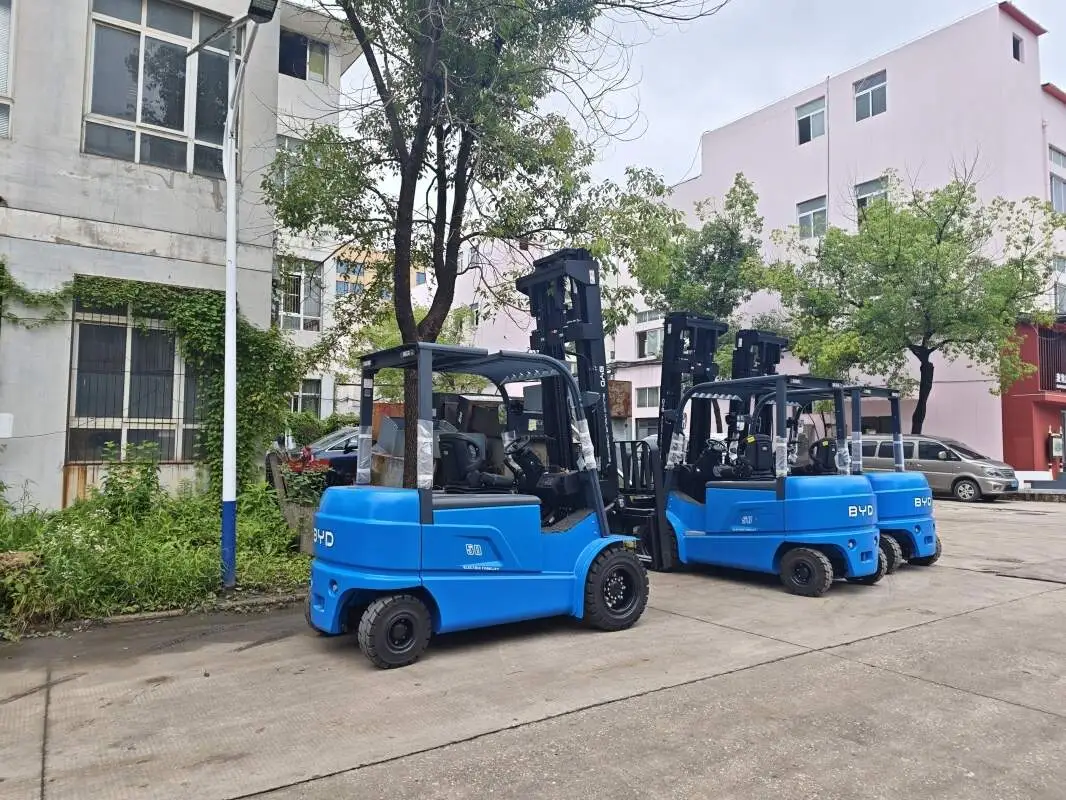
The brake system is one of the most critical safety components of an electric forklift, directly impacting operational safety and preventing potential workplace accidents. Conducting daily brake system inspections is a fundamental part of routine forklift maintenance to ensure consistent performance and compliance with industry safety standards. This guide outlines a structured, step-by-step process for evaluating brake system performance during daily checks.
1. Pre-Inspection Safety Protocols
Before initiating any brake inspection, prioritize safety to protect both the inspector and the equipment. Park the electric forklift on a level, stable surface with the parking brake fully engaged. Turn off the power supply and remove the ignition key to eliminate the risk of accidental operation. Ensure the surrounding area is clear of personnel and obstacles to create a safe testing environment.
2. Visual Brake Component Checks
Start with a thorough visual examination of all brake-related components to identify obvious signs of wear or damage. First, inspect the brake pads: measure the remaining thickness to confirm it meets the manufacturer’s recommended minimum level. Worn pads can significantly reduce braking efficiency and increase stopping distances, posing safety risks. Next, check brake lines and hydraulic hoses for signs of leaks, cracks, or bulges—even minor leaks can lead to gradual loss of hydraulic pressure, compromising brake performance over time. Additionally, examine the brake pedal for excessive wear, cracks, or sticking, ensuring it moves smoothly without unusual resistance when pressed.
3. Functional Performance Evaluations
After completing visual checks, proceed to functional tests to assess real-world brake performance under controlled conditions.
- Pedal Stroke Test: Press the brake pedal fully and measure the distance it travels. If the stroke exceeds the specified limit outlined in the forklift’s manual, it may indicate worn pads, air trapped in the hydraulic system, or internal component issues that require further diagnosis.
- Brake Response Test: In a safe, open area, engage the forklift’s power and accelerate to a low, controlled speed. Apply the brake firmly and observe the response: the forklift should stop smoothly without pulling to one side, making grinding noises, or exhibiting delayed braking. Any uneven or unresponsive braking signals a potential problem that needs immediate attention.
- Parking Brake Test: Engage the parking brake and attempt to gently move the forklift forward and backward. If the forklift shifts easily, the parking brake is not functioning correctly and requires adjustment or repair to prevent unintended movement.
4. Post-Inspection Actions
Document all findings from the daily inspection, including any wear, damage, or performance inconsistencies. Address minor issues promptly to prevent them from escalating into major, costly failures. For complex problems or components requiring replacement, consult a qualified maintenance technician with expertise in electric forklifts.
As a professional provider specializing in BYD electric forklifts, Jianshu New Energy is committed to helping you maintain the optimal performance and safety of your equipment. If you need guidance on brake system maintenance or have questions about your BYD electric forklift, feel free to contact us via email at 17399989919@163.com.