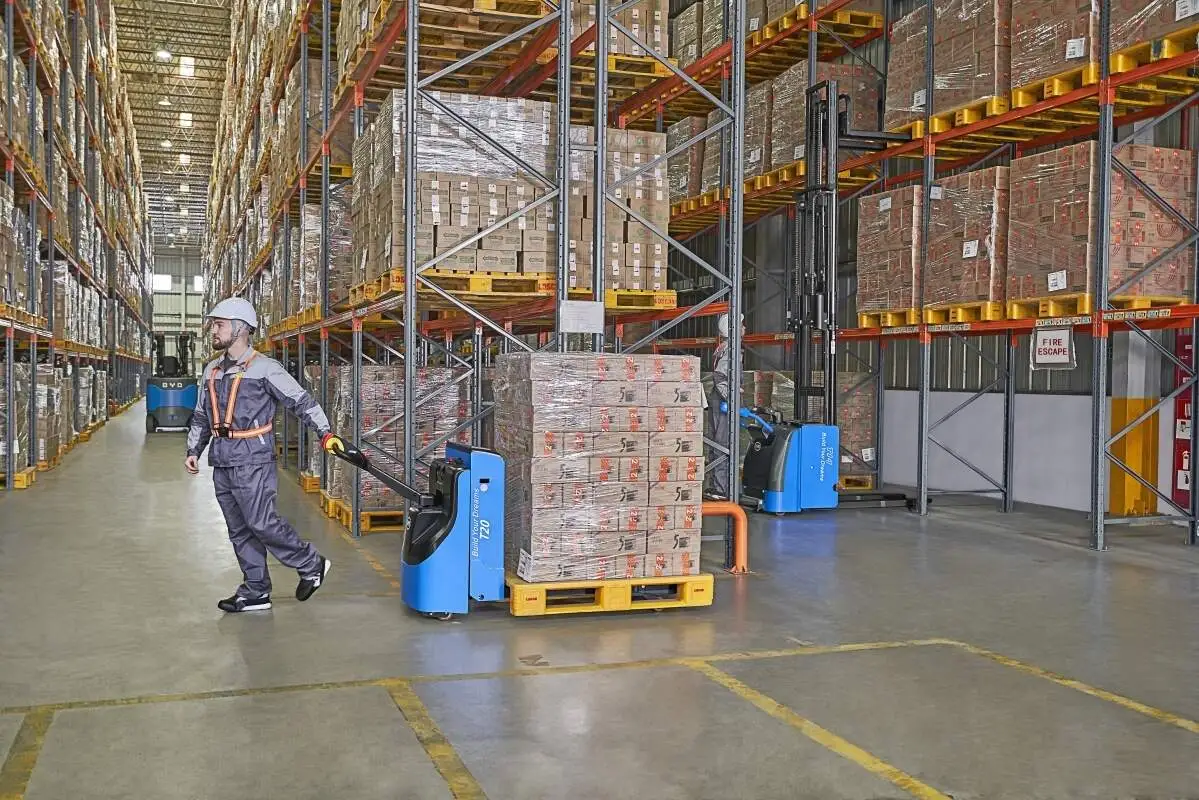
Unloading ramps play a critical role in streamlining material handling operations, especially for electric forklifts that rely on stable, accessible pathways to transfer goods between trucks, warehouses, and loading docks. Choosing the right ramp requires a clear understanding of key specifications and practical selection criteria to ensure safety, efficiency, and long-term reliability.
Specification Reference
Load capacity is the foundational specification for any forklift unloading ramp. It must match or exceed the combined weight of the electric forklift and its maximum intended load. Underestimating this capacity can lead to structural damage, operator risk, and disrupted workflows. Ramp capacities vary widely, ranging from lightweight options for small electric forklifts to heavy-duty models designed for large, high-capacity vehicles.
Dimensions are equally critical for seamless operation. The ramp’s length directly impacts the incline angle—shallower angles reduce strain on electric forklift batteries and components, allowing for smoother navigation. Width should accommodate the forklift’s wheelbase with extra clearance to prevent side-to-side movement, while height must align with the loading dock or truck bed it connects to. Adjustable-height ramps offer flexibility for varying vehicle and dock configurations.
Material construction determines durability and portability. Steel ramps provide exceptional strength for heavy loads but are heavier to maneuver. Aluminum ramps are lightweight, making them ideal for portable use, and resist corrosion, suitable for outdoor environments. Heavy-duty composite materials offer a balance of durability and light weight, with low maintenance requirements.
Safety features are non-negotiable. Non-slip surfaces prevent tire skidding, especially in wet or oily conditions, while guardrails or side barriers reduce the risk of off-ramp accidents. Locking mechanisms secure the ramp to trucks or docks, ensuring stability during loading and unloading. Some ramps also include edge curbs to guide forklift wheels and prevent misalignment.
Selection Guidance
Start by assessing operational needs. Evaluate the types of loads handled—heavy pallets, bulk materials, or fragile goods—and the frequency of ramp use. High-traffic operations may benefit from fixed, durable ramps, while occasional use might require portable models. Calculate the average combined weight of electric forklifts and loads to determine the minimum required load capacity.
Match the ramp to electric forklift specifics. Electric forklifts often have lower ground clearance and heavier battery weights than internal combustion models, so a gentle incline is essential to avoid battery drain and undercarriage damage. Ensure the ramp surface provides sufficient traction for electric forklift tires, which may have unique tread patterns designed for indoor use.
Evaluate site conditions. Outdoor ramps need weather-resistant materials to withstand rain, snow, and UV exposure. Indoor ramps must fit within space constraints without obstructing other workflows. For uneven ground, look for ramps with adjustable legs or leveling features to maintain stability.
Finally, verify compliance with safety regulations. Ensure the ramp meets industry standards for load ratings, construction quality, and safety features. Non-compliant ramps can lead to workplace accidents and regulatory penalties, so always prioritize certified, tested models.
By aligning specifications with operational needs and following structured selection guidance, businesses can choose a forklift unloading ramp that enhances efficiency, reduces safety risks, and supports the unique requirements of electric forklift operations. Taking the time to evaluate each factor ensures the ramp delivers long-term value and adapts to evolving material handling demands.