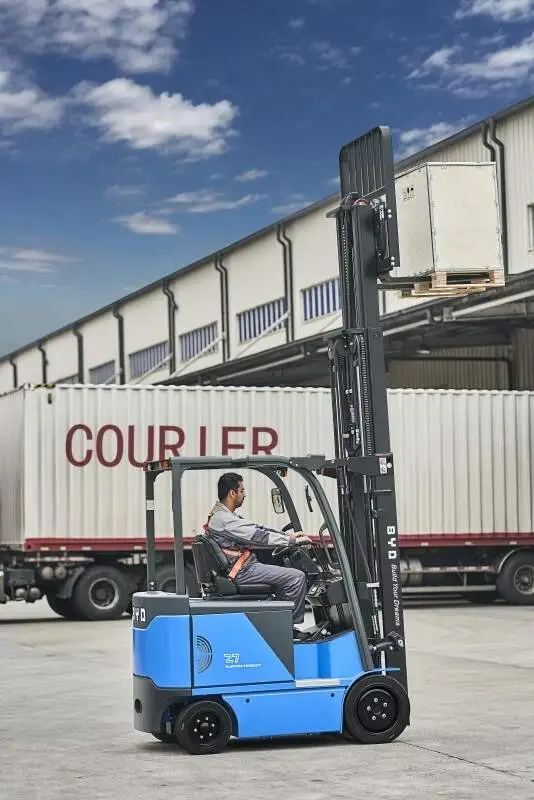
electric forklifts rely heavily on their batteries for consistent performance, and safe, efficient battery handling is critical to extending battery lifespan and maintaining workplace safety. Specialized tools designed for forklift battery handling simplify this process, but improper use can lead to equipment damage, personal injury, or battery degradation. This guidance outlines best practices for using these tools effectively.
Pre-Operation Preparation
Before using any special battery handling tool, conduct a thorough inspection to ensure it is in good working condition. For battery lifting slings or hooks, check for frayed cables, cracked components, or loose fasteners—any signs of wear mean the tool should be taken out of service immediately. For battery carts or transporters, verify that wheels are rolling smoothly, brakes are functional, and weight capacity matches the battery’s size and weight. Additionally, inspect the battery itself for leaks, cracked casings, or loose terminals, as damaged batteries require extra care during handling.
Correct Tool Application
When using battery lifting tools, start by positioning the tool directly above the battery, ensuring all attachment points align with the battery’s designated lifting lugs. Avoid attaching slings to terminal posts or fragile parts of the battery casing, as this can cause structural damage. Once securely attached, lift the battery slowly and steadily, keeping it balanced to prevent tilting or swinging. For battery transporters, carefully lower the battery onto the cart’s support frame, ensuring it is centered and locked in place before moving. When transporting, maintain a slow speed, avoid sharp turns, and keep clear of obstacles to prevent the battery from shifting.
Safety Protocols
Personal protective equipment (PPE) is non-negotiable during battery handling. Wear chemical-resistant gloves to protect against battery acid, safety goggles to shield eyes from splashes, and steel-toe boots to prevent foot injuries. Never operate handling tools in wet or damp environments, as moisture can increase the risk of electrical shock. Ensure the work area is clear of unnecessary personnel, and use warning signs to alert others to ongoing battery handling tasks. Avoid exceeding the tool’s maximum weight capacity, as overloading can lead to tool failure and dangerous accidents.
Post-Use Maintenance
After completing battery handling tasks, clean the tools to remove any battery acid residue, dirt, or debris. Use a neutralizing solution for acid spills on tools, then rinse with clean water and dry thoroughly. Inspect the tools again for any new signs of wear or damage, and document any issues for maintenance teams. Store the tools in a dry, well-ventilated area away from direct sunlight or extreme temperatures, as these conditions can accelerate tool degradation. Schedule regular professional inspections to ensure tools remain compliant with safety standards and functional for future use.
By following this usage guidance, operators can ensure that forklift battery handling is performed safely, efficiently, and in a way that protects both personnel and equipment. Proper tool use not only reduces the risk of accidents but also contributes to longer battery and tool lifespans, supporting overall operational productivity.