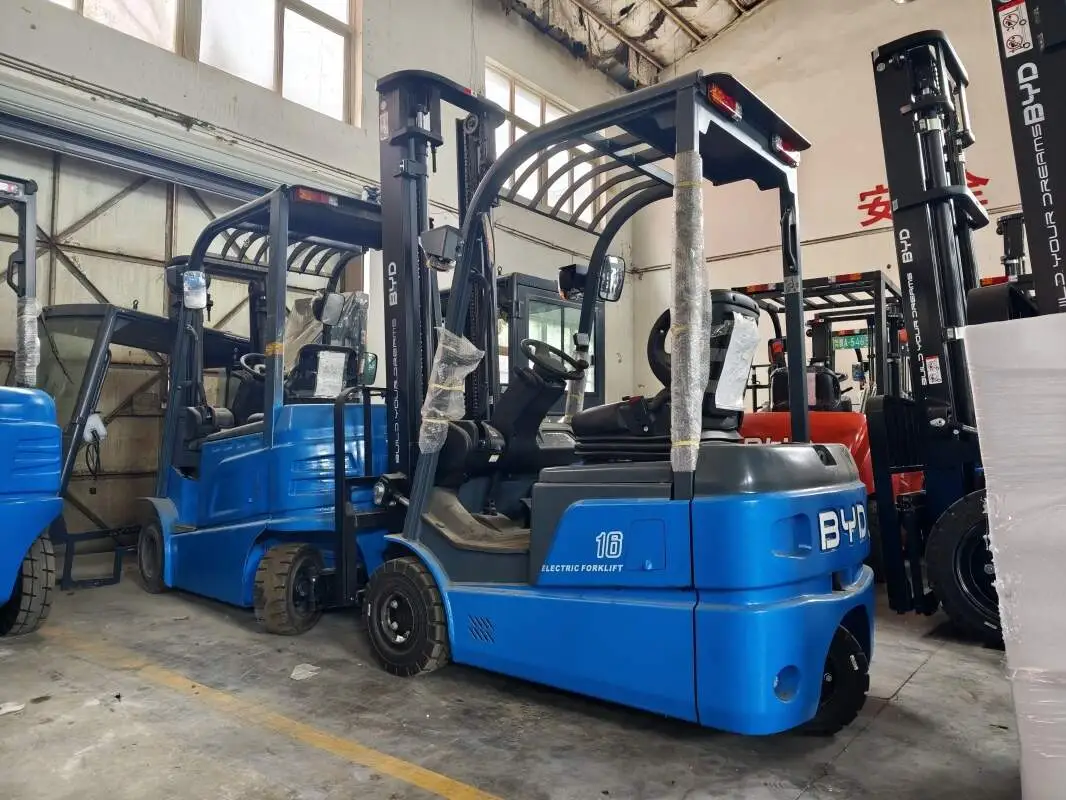
electric forklifts are indispensable tools in warehouses, distribution centers and industrial facilities, streamlining material handling tasks. However, improper operation can lead to workplace accidents, equipment damage and operational delays. Following standardized general operating instructions is critical to mitigating risks and ensuring smooth, safe operations.
Before starting any forklift task, operators must complete a thorough pre-operation inspection. Begin by checking the battery’s charge level to avoid unexpected power loss during operation. Inspect the braking system to ensure it responds promptly, test the steering mechanism for smooth control and verify that all lights, horns and warning signals are functional. Examine the condition of the forks for cracks, bends or excessive wear, and confirm that the mast operates without jams. Additionally, walk around the forklift to check for any visible damage or leaks, and assess the surrounding work area for obstacles, uneven surfaces or potential hazards like loose debris or low-hanging objects.
During operation, adhere to safe driving practices at all times. Observe posted speed limits, which are typically lower in congested or narrow areas, and reduce speed significantly when turning, approaching intersections or navigating ramps. Always keep a clear line of sight; if a load blocks visibility, drive in reverse with a spotter guiding you when necessary. Never allow unauthorized personnel to ride on the forklift, and maintain a safe distance from pedestrians, other vehicles and stationary equipment. Avoid sudden starts, stops or sharp turns to prevent load instability or loss of control.
Proper load handling is another core aspect of safe forklift operation. Before lifting a load, confirm its weight does not exceed the forklift’s rated capacity, which is clearly marked on the equipment. Center the load on the forks to ensure balanced distribution, and insert the forks fully into the pallet or container to avoid slipping. Lift the load slowly and steadily, keeping it at a low height (ideally 4 to 6 inches off the ground) when transporting to maintain stability. When stacking or placing loads, position them carefully to avoid damage to the load or surrounding structures, and lower the forks gently once the load is secured.
After completing tasks, follow post-operation protocols to preserve equipment condition and prepare it for the next use. Park the forklift in a designated, well-ventilated area away from traffic or fire hazards. Engage the parking brake, turn off the power and lower the forks completely to the ground. Wipe down the forklift to remove dirt, debris or spilled materials, and inspect for any new damage or issues that may have occurred during operation. Report any malfunctions or safety concerns to a supervisor immediately to ensure timely repairs.
All forklift operators must undergo formal training and certification to operate the equipment legally and safely. Regular refresher courses help operators stay updated on best practices and regulatory requirements. By following these general operating instructions, operators can protect themselves, colleagues and valuable equipment while maximizing operational efficiency in the workplace.