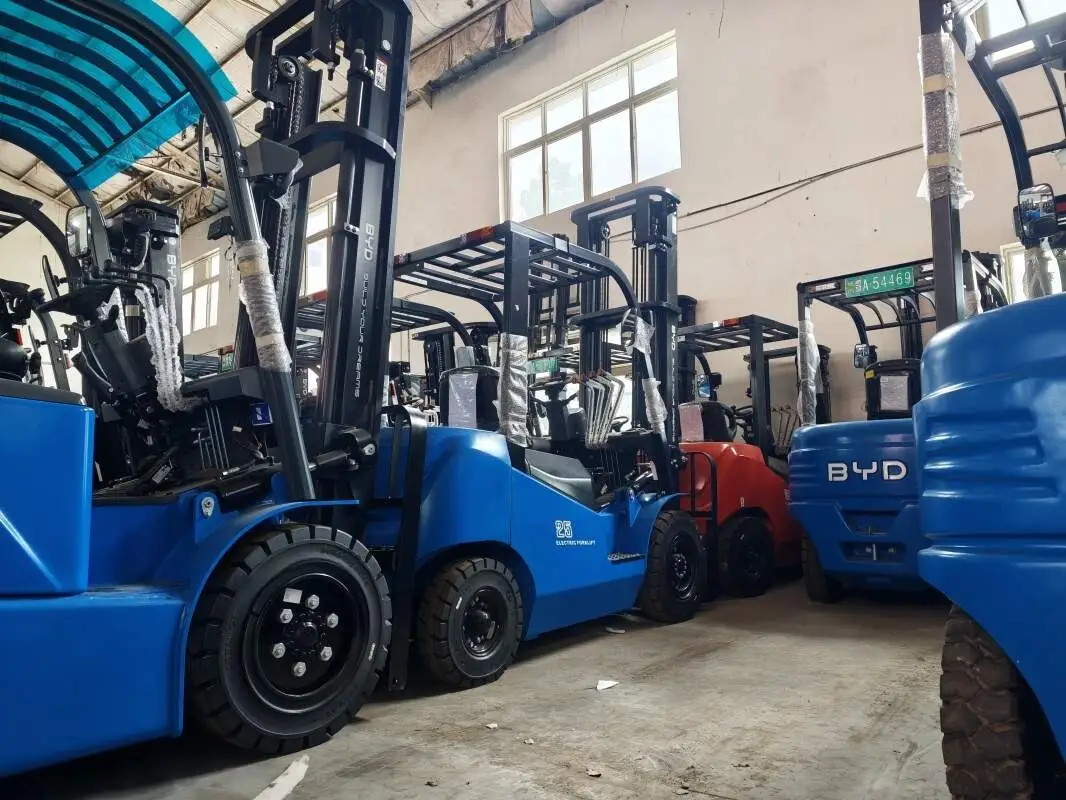
5 ton heavy-duty forklift trucks are essential workhorses in warehousing, logistics, and heavy manufacturing, where moving large, bulky loads efficiently is critical. When evaluating pricing for these machines, it’s important to understand the multiple variables that shape their cost, as price points can vary significantly based on several key factors.
One of the primary determinants of a 5 ton heavy-duty forklift’s price is the quality of its core components. The engine, hydraulic system, frame structure, and transmission form the backbone of the forklift’s performance. Forklifts equipped with high-grade engines that deliver consistent power and fuel efficiency tend to carry a higher price tag, as these components are built to withstand prolonged, heavy use without frequent breakdowns. Similarly, robust hydraulic systems that ensure smooth lifting and maneuvering contribute to increased costs, as they reduce maintenance needs over the machine’s lifespan.
Customization and optional features also play a substantial role in pricing. Many businesses require specialized configurations to meet their unique operational needs, such as side-shift attachments, clamp attachments for handling irregular loads, or enclosed cabins for use in extreme weather conditions. Each added feature involves additional engineering, materials, and testing, which directly increases the overall cost of the forklift. Additionally, choosing between fuel types—such as diesel, electric, or LPG—can impact pricing, with electric models often commanding a higher upfront cost due to advanced battery technology, while diesel variants may have lower initial prices but higher long-term fuel expenses.
Manufacturing standards and material quality are another critical variable. Forklifts constructed with high-strength steel for the frame and load-bearing components are more durable and capable of handling heavy loads safely, but this quality comes at a cost. Strict manufacturing processes, including precision welding and rigorous quality control checks, also add to production expenses. Forklifts built to meet international safety and performance standards undergo more extensive testing, which further influences their final price.
Market supply and demand dynamics can cause fluctuations in 5 ton heavy-duty forklift prices. During peak industrial seasons or periods of high demand for logistics services, suppliers may adjust prices upwards due to increased order volumes. Conversely, when there is excess inventory or slower market activity, prices may become more competitive as suppliers aim to clear stock. Global raw material costs, such as steel and rubber, also impact pricing; fluctuations in these commodity prices can lead to adjustments in forklift costs.
Finally, after-sales support and warranty offerings affect the overall value and price of a forklift. Manufacturers that include comprehensive warranty coverage, free maintenance services for a specified period, and readily available replacement parts often price their forklifts higher. These services provide peace of mind to buyers, reducing the risk of unexpected repair costs and minimizing downtime, making the higher upfront price a worthwhile investment for many businesses.
Understanding these key variables helps potential buyers make informed decisions when selecting a 5 ton heavy-duty forklift. By weighing factors like component quality, customization needs, manufacturing standards, market conditions, and after-sales support, businesses can choose a forklift that aligns with their operational requirements and budget, ensuring long-term value and efficiency.