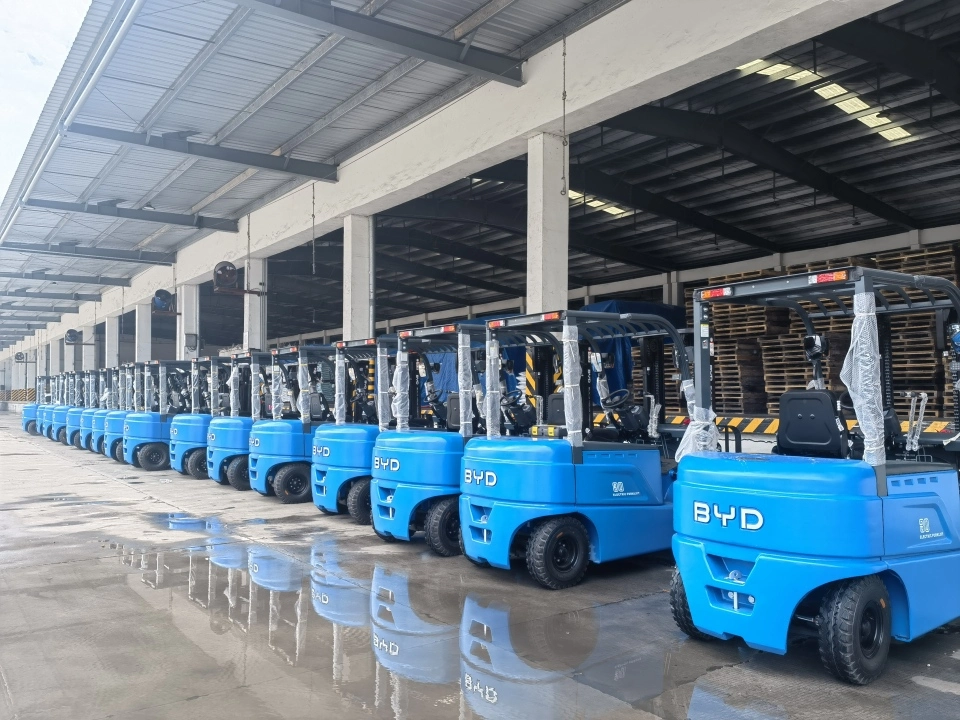
When investing in a pre-owned stand up forklift, a thorough inspection is critical to ensure safety, reliability, and long-term value. Cutting corners on this process can lead to unexpected repair costs, operational downtime, and potential safety hazards. Below is a structured guide to evaluating every key component of a used stand up forklift.
Start with an exterior and structural assessment. Examine the main frame for signs of cracks, dents, or corrosion, which could indicate past accidents or neglect. Inspect the forks for uneven wear, bending, or cracks—worn forks compromise load-bearing capacity and pose safety risks. Check the mast system for smooth movement when lifting and lowering; look for leaks in hydraulic lines connected to the mast and ensure there are no strange noises during operation.
Next, focus on mechanical components. For internal combustion models, listen for unusual sounds when starting the engine, such as knocks or sputters, and check exhaust for excessive smoke. For electric models, assess the motor’s performance during initial startup and acceleration. Test the brake system by engaging brakes at different speeds to ensure responsiveness and consistent stopping power. Inspect the hydraulic system thoroughly: check fluid levels and color—dark or contaminated fluid suggests poor maintenance. Look for leaks in hoses, fittings, and the hydraulic reservoir, as even small leaks can lead to system failure over time. Evaluate the steering system by turning the wheel fully in both directions; it should feel smooth without stiffness or play.
Move on to the electrical system, a critical part of electric stand up forklifts. Inspect the battery for signs of bulging, corrosion on terminals, or leaking electrolyte. Ask for records of battery replacement and charging history to gauge remaining lifespan. Test all dashboard indicators to ensure they function correctly, including battery level, temperature, and warning lights. Verify that essential electrical components like headlights, taillights, and horns work as intended. Check wiring harnesses for fraying, cracking, or loose connections, which can cause electrical failures.
Conduct an operational test to assess real-world performance. Take the forklift for a test drive in an open area, testing forward, reverse, and speed adjustments. Evaluate how smoothly the forks lift and lower a light load, ensuring there’s no delay or jerking. Test maneuverability by navigating tight turns and checking for stability on slightly uneven surfaces. Pay attention to any vibrations, unusual sounds, or difficulty controlling the forklift during operation. Also, check the operator’s platform for stability, non-slip surfaces, and secure handrails to ensure operator comfort and safety.
Finally, verify all safety features. Ensure the emergency stop button works correctly by pressing it to confirm immediate shutdown. Check that seatbelts (if equipped) are intact and functional. Inspect anti-tip devices, fork positioners, and load backrest extensions to ensure they are in good condition and operate as designed. Look for clear, legible safety labels on the forklift; missing or faded labels may indicate poor overall maintenance.
By following this comprehensive checklist, buyers can make informed decisions about pre-owned stand up forklifts. For added peace of mind, consider hiring a certified forklift technician to perform a professional inspection, ensuring no hidden issues are overlooked. A well-inspected used forklift can provide years of reliable service while delivering cost savings compared to purchasing new equipment.