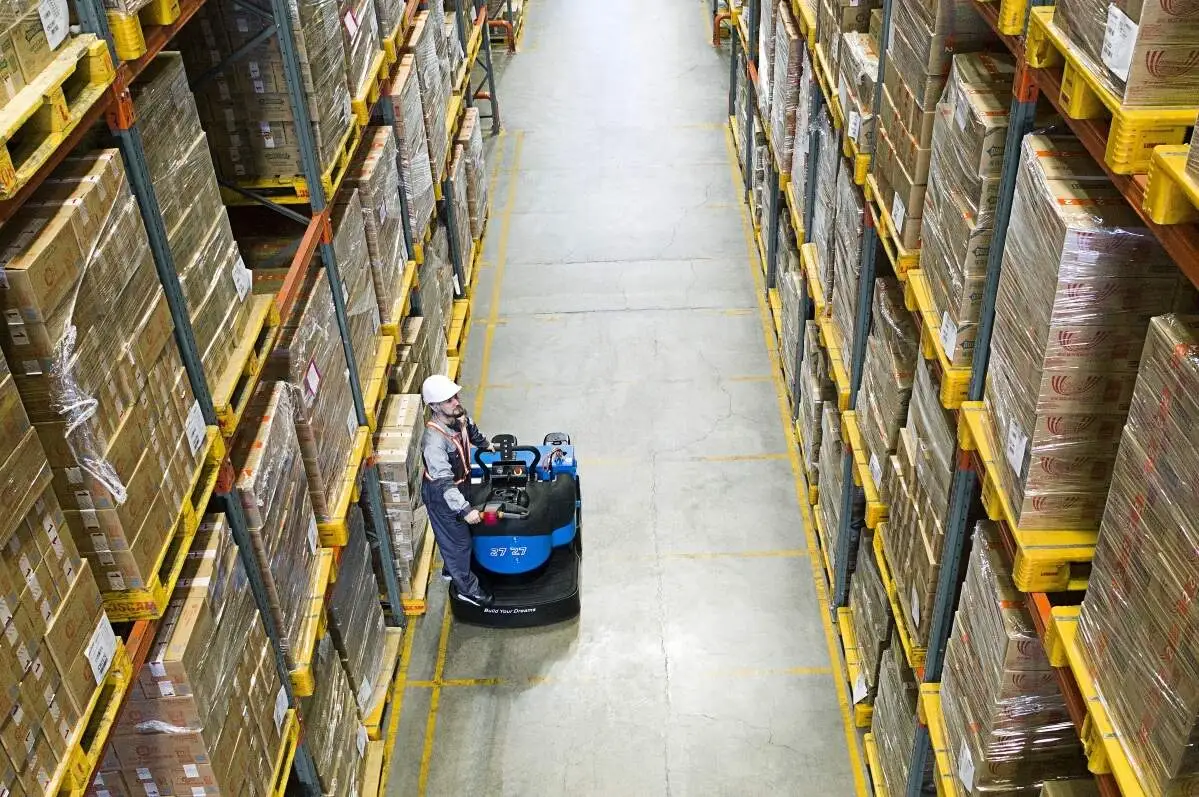
In the fast-paced landscape of modern warehouse management, material handling equipment plays a critical role in streamlining operations and meeting growing supply chain demands. Piggyback forklift trucks, known for their compact design and maneuverability, have emerged as a valuable solution for addressing specific challenges in warehouse environments.
One of the primary application scenarios for piggyback forklift trucks is in narrow aisle warehouses. Many facilities are designed to maximize storage density by reducing aisle widths, which can limit the movement of larger forklift models. Piggyback forklifts, with their smaller footprint and tight turning radius, can navigate these confined spaces with ease, allowing warehouse managers to maintain high storage capacity without sacrificing accessibility to stored goods. This makes them particularly suitable for facilities storing small to medium-sized items where frequent access to multiple storage locations is required.
Another key application is in order picking operations, especially in e-commerce and retail warehouses. These environments demand rapid, accurate retrieval of individual items or small batches to fulfill customer orders. Piggyback forklifts enable operators to move quickly between picking stations, reducing the time spent traveling between storage racks. Their compact size also allows them to operate in areas closer to order packing zones, minimizing the distance goods need to be transported before shipping. This direct, efficient movement contributes to shorter order fulfillment cycles and improved overall warehouse productivity.
Beyond narrow aisles and order picking, piggyback forklift trucks are also useful for intra-warehouse cargo transfer. They can transport goods between loading docks, storage areas, and production lines, providing a flexible alternative to larger, less agile equipment. This flexibility is especially beneficial in warehouses with dynamic layouts or varying daily operational needs, as the forklifts can be easily reallocated to different tasks throughout the day.
When considering the operational advantages of piggyback forklift trucks, space utilization stands out as a significant benefit. By enabling efficient navigation in narrow aisles, these forklifts allow warehouses to utilize vertical and horizontal space more effectively, potentially increasing storage capacity without expanding the facility’s physical footprint. Additionally, their lightweight design reduces the risk of damage to warehouse floors and racking systems, lowering long-term maintenance costs for the facility.
However, implementing piggyback forklift trucks requires careful consideration. Proper operator training is essential to ensure safe and efficient use, as the compact design may require different handling techniques compared to standard forklifts. Regular maintenance is also crucial to keep the equipment in optimal condition, as frequent use in confined spaces can put additional stress on components. Warehouse managers should also assess their specific operational needs, such as load capacity requirements and aisle dimensions, to select the most suitable piggyback forklift model for their facility.
In conclusion, piggyback forklift trucks offer targeted solutions for enhancing material handling efficiency in modern warehouses. Their adaptability to narrow spaces, suitability for order picking, and flexibility in cargo transfer make them a valuable asset for optimizing warehouse operations. With proper implementation and maintenance, these forklifts can contribute to improved productivity, better space utilization, and more streamlined supply chain processes.