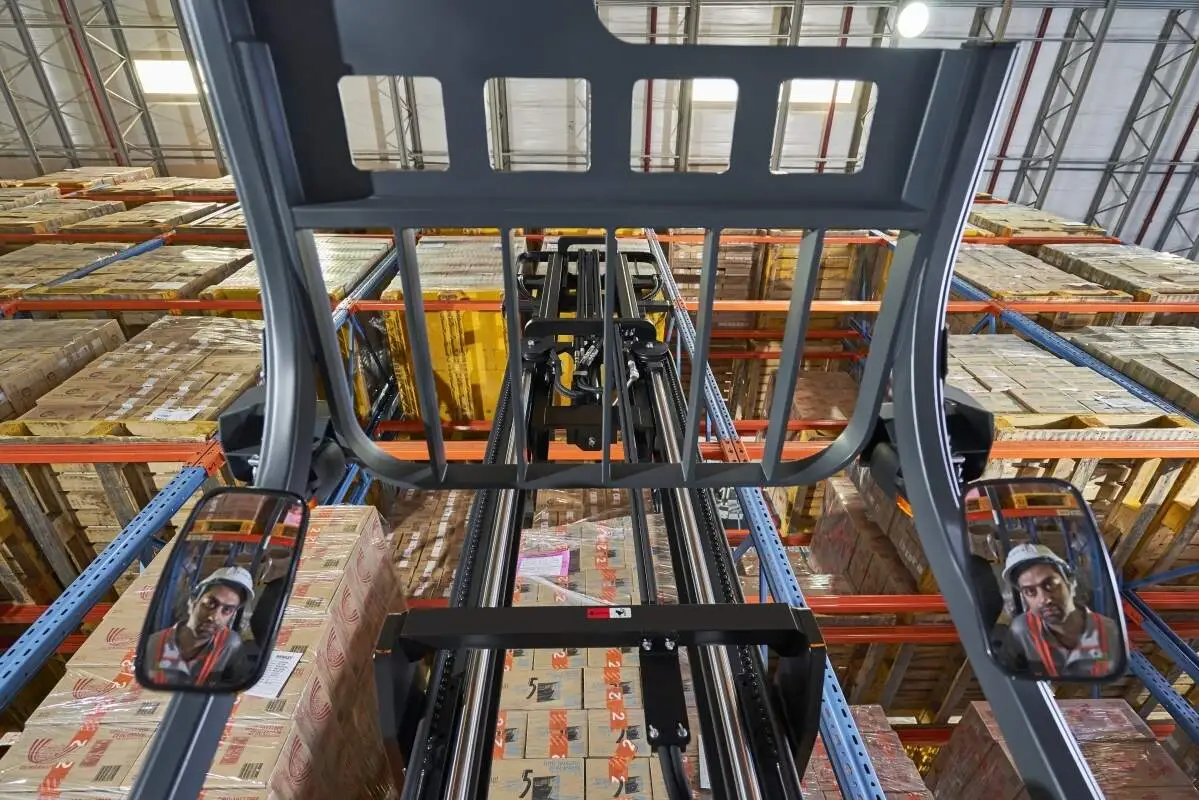
Sideloader forklifts are essential assets for industries handling long, bulky loads like steel beams, pipes, or lumber, where standard forklifts lack maneuverability. For businesses without a need for permanent fleets, rental offers a flexible solution—but pricing varies significantly based on critical variables.
One of the most impactful factors is rental duration. Short-term rentals, ranging from a day to a month, often carry higher daily or weekly rates due to administrative overhead for onboarding, delivery, and pickup. In contrast, long-term rentals spanning six months to several years typically feature discounted monthly rates, as providers benefit from stable, extended usage and reduced turnover costs. Businesses with ongoing projects can leverage long-term agreements to lock in favorable pricing and avoid sudden rate fluctuations.
Equipment specifications also play a major role in determining rental costs. Sideloader forklifts vary widely in load capacity, lift height, and power source. Models with higher load capacities (often exceeding 10 tons) or extended lift heights for tall storage racks demand higher fees, as they incorporate more robust components and specialized engineering. Power source is another consideration: electric sideloaders, which are quieter and emit zero emissions, may have slightly higher rental rates than diesel-powered alternatives, though they cut operational costs in indoor settings by eliminating fuel expenses.
Add-on services can further drive up the total rental price. Many providers offer optional maintenance and repair packages covering routine inspections, part replacements, and emergency fixes. While these packages increase upfront costs, they prevent unexpected expenses and keep equipment operational throughout the rental period. Additional services like operator training, delivery and pickup, or insurance coverage also contribute to the final price. Businesses should evaluate their needs carefully to avoid paying for unnecessary services, while prioritizing those that enhance safety and efficiency.
Market supply and demand dynamics are another key variable. During peak seasons such as construction booms or holiday logistics surges, demand for sideloader forklifts often outstrips supply, leading to higher rental rates. Conversely, slow periods may bring promotional rates or discounts as providers aim to fill unused inventory. Geographic location also influences pricing: areas with higher logistics costs or limited rental competition may have higher rates, while urban regions with dense industrial activity often offer more competitive pricing due to a larger number of providers.
Understanding these variables allows businesses to make informed decisions when renting sideloader forklifts. By assessing project timelines, equipment requirements, and budget constraints, companies can select cost-effective rental options aligned with operational needs. Whether choosing short-term rentals for specific tasks or long-term agreements for ongoing operations, awareness of these pricing drivers ensures businesses get the best value for their investment.