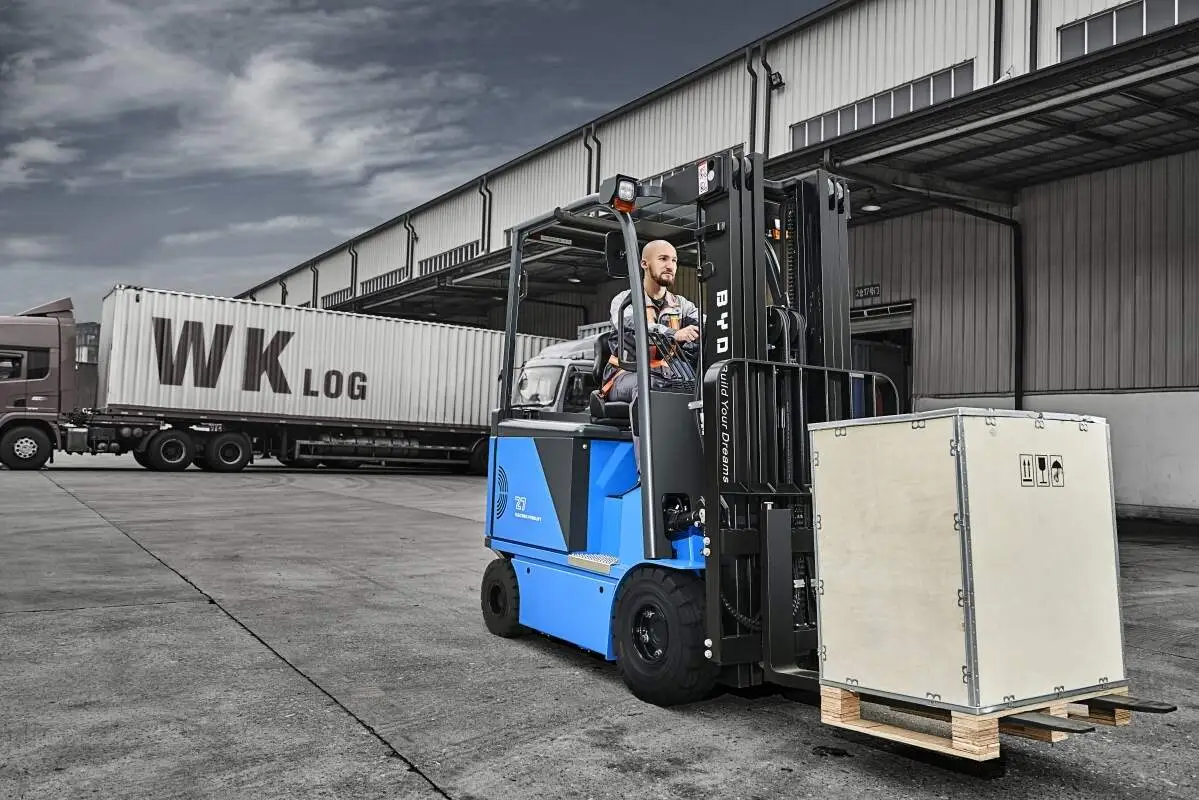
Travel speed is a critical factor in ensuring the safe operation of standard industrial forklifts, as excessive or inappropriate speed significantly increases the risk of collisions, tip-overs, and workplace injuries. Establishing clear travel speed references helps operators maintain control, react to unexpected hazards, and comply with workplace safety regulations. This guide outlines evidence-based speed guidelines tailored to different industrial and warehouse environments, along with key considerations to support safe forklift operation.
In open, unobstructed work areas with minimal pedestrian traffic and clear visibility, standard industrial forklifts can typically operate at a maximum travel speed of 8 to 10 miles per hour (mph). However, this speed should be adjusted based on the forklift’s load capacity; fully loaded units require reduced speed to maintain stability, especially when navigating turns or uneven surfaces. For narrow aisles, tight storage spaces, or areas with limited visibility, the recommended travel speed drops to 3 to 5 mph. These confined spaces increase the risk of collisions with racks, equipment, or other vehicles, so slower speeds allow operators to maneuver safely and respond quickly to obstacles.
Zones with high pedestrian traffic, such as loading docks, break areas, or crosswalks, demand even stricter speed limits—usually 2 to 3 mph. In these areas, operators must remain vigilant, sound their horn at intersections or blind spots, and be prepared to stop immediately. Some facilities implement designated slow-speed zones with visible signage to reinforce these limits, ensuring both operators and pedestrians are aware of the reduced speed requirements.
Beyond environment-specific guidelines, several operational factors influence safe travel speed. The condition of the operating surface is a key consideration; wet, icy, or uneven floors require operators to reduce speed by 50% or more to prevent skidding or loss of control. Load characteristics also play a role—unstable loads, oversized cargo, or elevated forks necessitate slower speeds to avoid tip-overs. Additionally, operator experience level should be taken into account; new operators may need to maintain lower speeds until they develop proficiency in maneuvering the forklift in various scenarios.
To reinforce safe speed practices, workplace safety programs should include regular training on speed guidelines, hazard recognition, and defensive driving techniques. Operators should conduct pre-operation checks to ensure the forklift’s brakes, steering, and horn are functioning properly, as faulty equipment can impede speed control. Facilities should also implement traffic management strategies, such as one-way aisles, speed bumpers, and surveillance cameras, to monitor and enforce safe travel speeds.
Adhering to established travel speed references is not only a regulatory requirement in many regions but also a fundamental aspect of protecting workers, reducing property damage, and maintaining efficient operations. By understanding environment-specific speed limits, adjusting for operational factors, and following best practices, forklift operators can minimize risks and create a safer workplace for everyone.