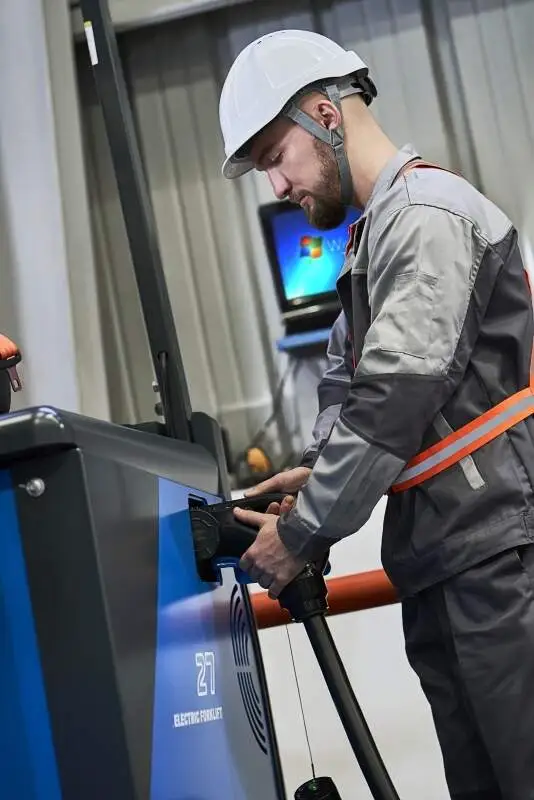
In the global material handling sector, 4-ton forklifts serve as critical assets for warehouses, construction projects, and manufacturing plants, yet their pricing fluctuates notably across different regional markets. Unpacking the core drivers behind these variations empowers businesses to make cost-effective investment decisions tailored to their operational contexts.
A primary factor shaping 4-ton forklift pricing is raw material and manufacturing costs. Regions with robust local supply chains for steel, battery components, and other essential materials often benefit from lower production expenses. Conversely, areas reliant on imported raw materials face higher input costs, which are passed on to buyers. Labor costs also play a role: regions with higher minimum wages and stricter labor regulations see elevated manufacturing overhead, translating to higher forklift prices.
Logistics and transportation expenses further influence regional pricing. Forklifts shipped across long distances incur significant freight charges, insurance, and customs duties, especially for cross-ocean shipments. Remote regions or those with limited transportation infrastructure may also face additional delivery fees, pushing up final prices. Local distribution networks can mitigate these costs, making forklifts more affordable in areas with efficient supply chain systems.
Market demand and competitive dynamics are another key consideration. In regions with high industrial activity, such as manufacturing hubs, strong demand for 4-ton forklifts may allow suppliers to maintain steady pricing. However, markets with numerous competing suppliers often feature more competitive price points as brands strive to capture market share. In contrast, low-demand regions may see higher prices to cover suppliers’ operational costs for smaller sales volumes.
Regulatory and certification requirements also impact pricing. Different regions enforce distinct safety, emissions, and quality standards, such as strict environmental rules for electric forklift batteries or mandatory safety certifications. Complying with these standards requires additional testing, modifications, and documentation, all of which add to production costs. Suppliers pass these expenses to customers, leading to higher prices in heavily regulated markets.
Finally, after-sales service and spare parts access influence perceived value and pricing. Regions where suppliers offer comprehensive after-sales support—including on-site repairs, maintenance contracts, and readily available spare parts—often have slightly higher upfront prices. This reflects the added value of reliable service, whereas regions with limited support may offer lower initial prices but incur higher long-term maintenance costs.
By understanding these interconnected factors, businesses can navigate regional price variations effectively, ensuring they select a 4-ton forklift that balances upfront cost with long-term operational value.