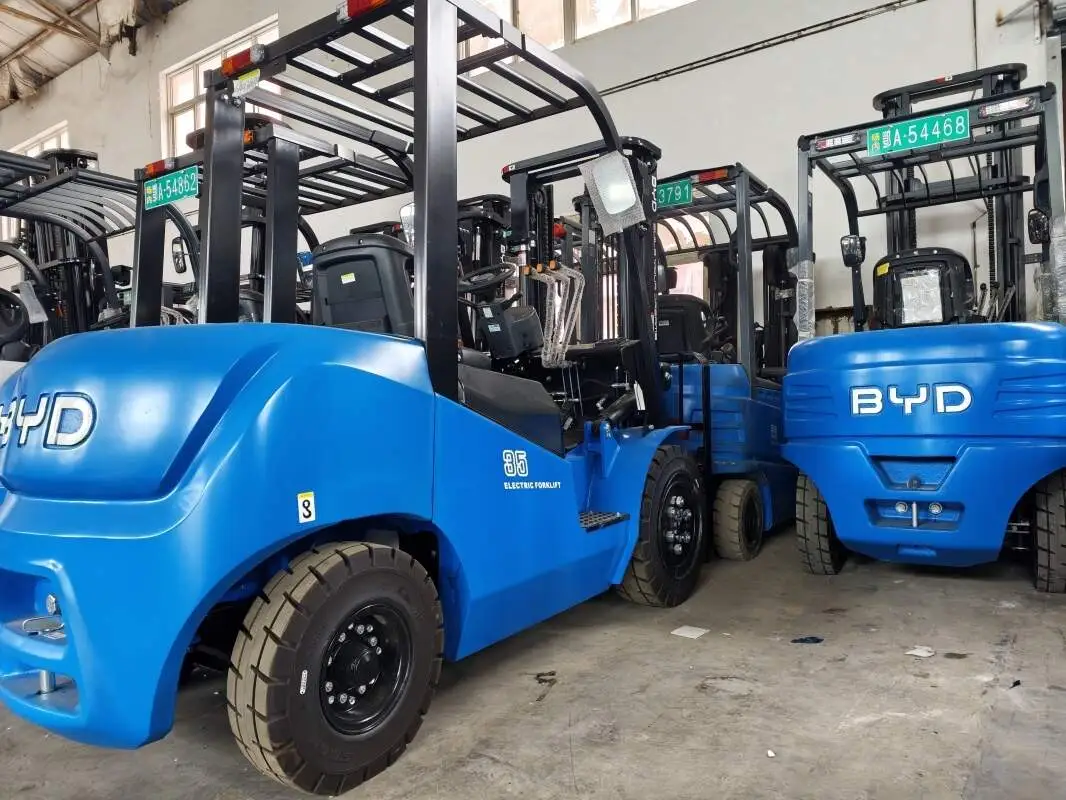
In today’s fast-paced logistics landscape, warehouse efficiency directly impacts overall supply chain performance. Warehouse forklifts stand out as cornerstone tools for optimizing storage and material handling processes.
A primary way forklifts boost storage efficiency is by unlocking vertical space. Unlike manual handling limited to human reach, forklifts safely lift pallets to elevated racks, maximizing the use of vertical warehouse space. This reduces the need for excessive floor area, allowing warehouses to store more inventory without expanding their physical footprint. Narrow-aisle forklift models further amplify this benefit by maneuvering through tight spaces, enabling denser storage layouts without compromising accessibility.
Beyond storage optimization, forklifts drastically improve handling efficiency. Manual material handling is time-consuming, error-prone, and prone to operator fatigue. Forklifts can move multiple pallets or heavy loads in a single trip, cutting down on the number of transfers between storage areas, loading docks, and production lines. This streamlined movement reduces operational bottlenecks, ensuring inventory reaches its destination faster with minimal delay.
Safety is closely tied to efficiency, and forklifts are designed with risk-mitigating features. Stable chassis, load-bearing capacity indicators, and operator safety guards help prevent accidents that could halt operations or damage inventory. By reducing product damage and workplace incidents, forklifts minimize costly downtime and maintain consistent workflow. Properly trained operators can leverage these features to handle goods with precision, further enhancing operational reliability.
To fully realize forklift efficiency benefits, regular maintenance and operator training are essential. Routine inspections and servicing keep forklifts in optimal condition, avoiding unexpected breakdowns that disrupt operations. Training programs equip operators with skills to maneuver safely and efficiently—including navigating narrow spaces, balancing loads correctly, and optimizing movement paths. These practices extend equipment lifespan and maximize daily performance.
In conclusion, warehouse forklifts are indispensable for improving storage and handling efficiency in modern warehouses. By leveraging their ability to maximize vertical space, speed up material movement, enhance safety, and support optimized operations, businesses can streamline supply chain processes, reduce operational costs, and meet growing logistics demands.