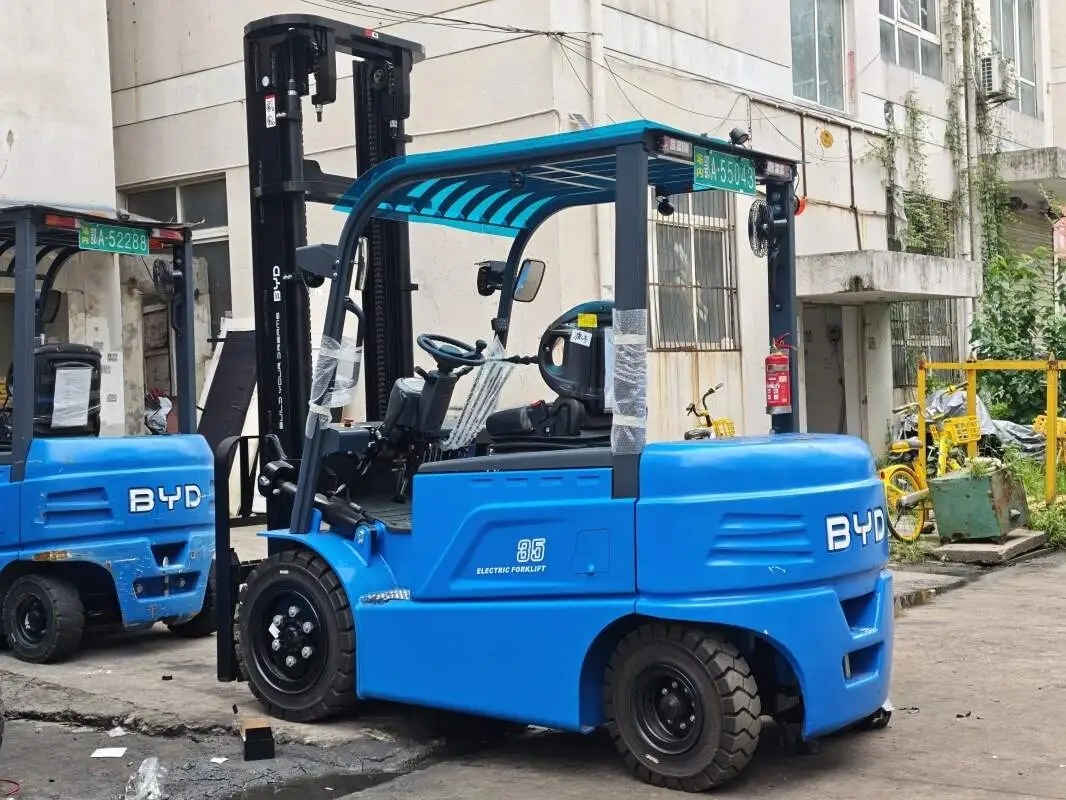
Forklifts are essential to modern warehouse operations, but their use comes with inherent accident risks that can lead to injuries, property damage, and costly downtime. Strategic traffic planning is a proactive, effective way to mitigate these risks, creating a safer environment for both operators and on-foot personnel.
Designated Traffic Lanes and Zoning is the foundational step of successful warehouse traffic planning. Warehouses should clearly mark separate lanes for forklifts and pedestrians using durable, high-contrast floor paint. This separation eliminates direct collision risks in high-traffic areas like loading docks and storage aisles. Zoning further enhances safety by designating specific areas for core operations: loading zones restricted to forklifts during active use, pedestrian-only zones near break rooms and office entrances, and slow-motion zones around fragile inventory.
Clear Signage and Visual Cues are critical to guiding all warehouse personnel strategically. Warning signs for blind spots, intersection hazards, and speed limits should be placed at key locations, with reflective materials for low-light visibility. Floor decals can highlight pedestrian crosswalks and hazard zones, while LED lighting in narrow aisles and busy corners improves overall visibility. These visual cues help operators anticipate potential risks and pedestrians stay aware of forklift activity.
Speed Management and Restricted Zones play a key role in reducing accident severity. Warehouses should implement zone-specific speed limits: lower speeds (3-5 mph) in narrow aisles and near pedestrian areas, and slightly higher limits in open storage zones. Speed bumps or automated speed monitoring systems can enforce these rules, alerting operators when they exceed recommended paces. Restricted zones, such as areas with high-value or fragile goods, should be clearly marked and accessible only to authorized, trained personnel.
Operator Training and Communication Protocols ensure traffic plans are executed effectively. Regular training sessions should cover traffic rules, hazard recognition, emergency procedures, and proper communication techniques. Operators should be trained to use two-way radios or standardized hand signals to coordinate with pedestrians and other forklift operators. Fostering a culture of safety where personnel report near-misses and hazards promptly helps address potential issues before they escalate into accidents.
Regular Traffic Flow Audits are essential to maintaining long-term safety. Warehouses should conduct quarterly audits to identify bottlenecks, outdated signage, or high-risk areas where accidents are more likely. Audits should also account for changes in warehouse layout, inventory levels, or operational demands—for example, reconfiguring lanes after installing new storage racks to ensure safe forklift access.
By implementing these targeted traffic planning measures, warehouses can significantly lower forklift accident risks. A well-designed traffic plan not only protects personnel but also improves operational efficiency by reducing downtime caused by accidents, making it a valuable investment for any warehouse operation.