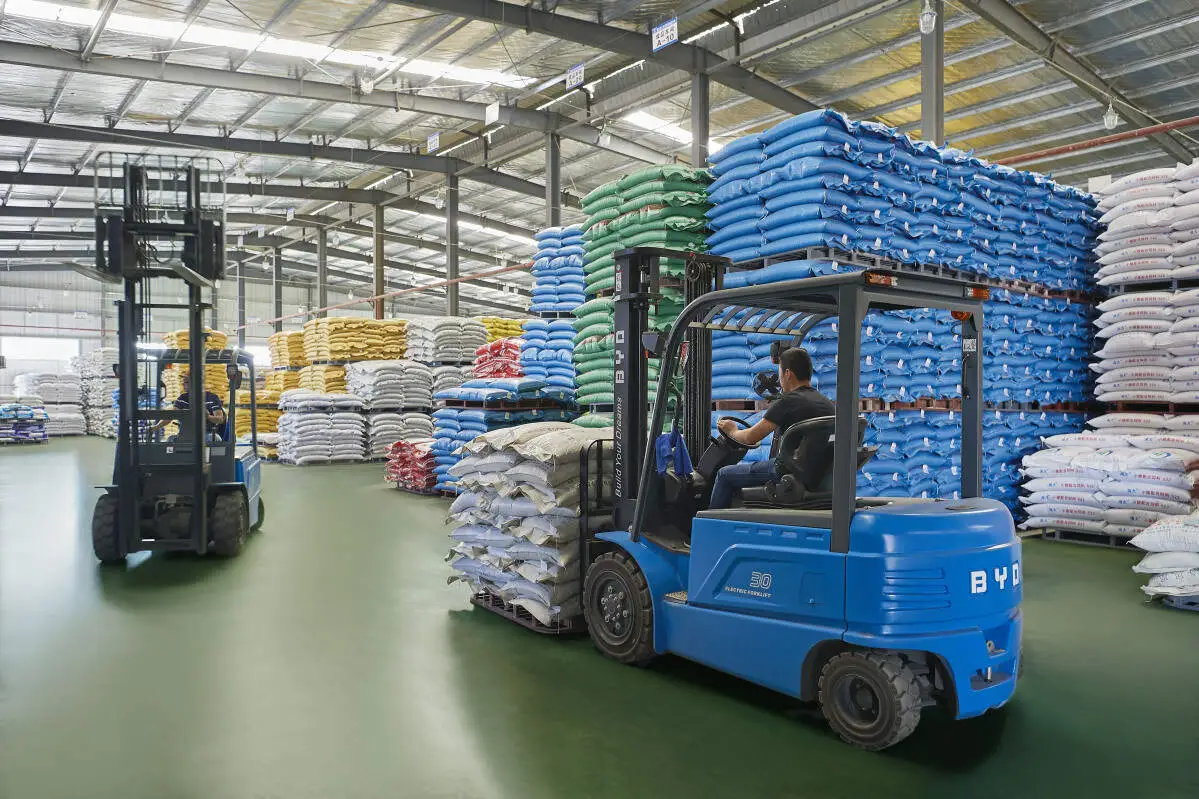
forklift attachments extend the functionality of standard forklifts, allowing them to handle diverse materials and tasks across warehouses, construction sites, and logistics hubs. However, each attachment category comes with specific load limitations that operators must understand to maintain safety and prevent equipment damage.
Pallet forks are the most common forklift attachment, designed to lift and transport palletized goods. Their load capacity is closely tied to the fork’s length, thickness, and the forklift’s base load rating. Shorter, thicker forks can support higher weights, as they reduce the distance between the load and the forklift’s center of gravity. Conversely, longer forks increase the load’s moment arm, which significantly lowers the maximum allowable weight. Operators must also account for wear and tear on fork tines; damaged or bent forks can reduce load capacity by up to 30% and pose a risk of load collapse.
Clamp attachments, used for handling non-palletized loads like paper rolls, barrels, or crates, have load limitations that vary by clamp type. Soft-grip clamps, designed for fragile materials, have lower load capacities to avoid crushing the load, typically ranging from 500 to 2,000 kilograms. Heavy-duty hard clamps, by contrast, can support weights up to 5,000 kilograms, but their load limit also depends on the clamp’s opening width and the stability of the load. Overloading a clamp can lead to slippage, causing the load to fall and creating workplace hazards.
Reach attachments, which extend the forklift’s reach to access high shelves or narrow aisles, have load limitations that decrease as the arm extends. When the reach arm is fully retracted, it can support the forklift’s full base load rating, but as it extends outward, the moment of the load increases, reducing the maximum allowable weight by 10% to 50% depending on the extension distance. Additionally, raising the load while the arm is extended further reduces the load capacity, as it shifts the center of gravity even higher.
Side shift attachments, which allow operators to move loads horizontally without repositioning the forklift, do not have a standalone load limit but can affect the forklift’s overall load capacity. When the load is shifted to one side, it creates an uneven weight distribution, reducing the effective load limit by up to 20%. Operators must adjust their load handling accordingly, especially when working with heavy or unbalanced loads.
Beyond attachment-specific limitations, external factors also play a role in load capacity. Uneven or slippery ground can reduce the forklift’s stability, requiring operators to lower the maximum load by 15% to 25%. High operating speeds or sudden movements can also increase the risk of load shift, making it critical to adhere to reduced load limits during dynamic operations. Regular inspections of attachments, including checking for cracks, worn components, and proper hydraulic function, are essential to ensure that load limitations remain accurate and safe to follow.
Understanding these load limitations is not just a matter of compliance; it is key to protecting workers, preventing equipment breakdowns, and maintaining efficient operations. By matching the right attachment to the task and adhering to specified load limits, operators can minimize risks and maximize the utility of their forklifts.