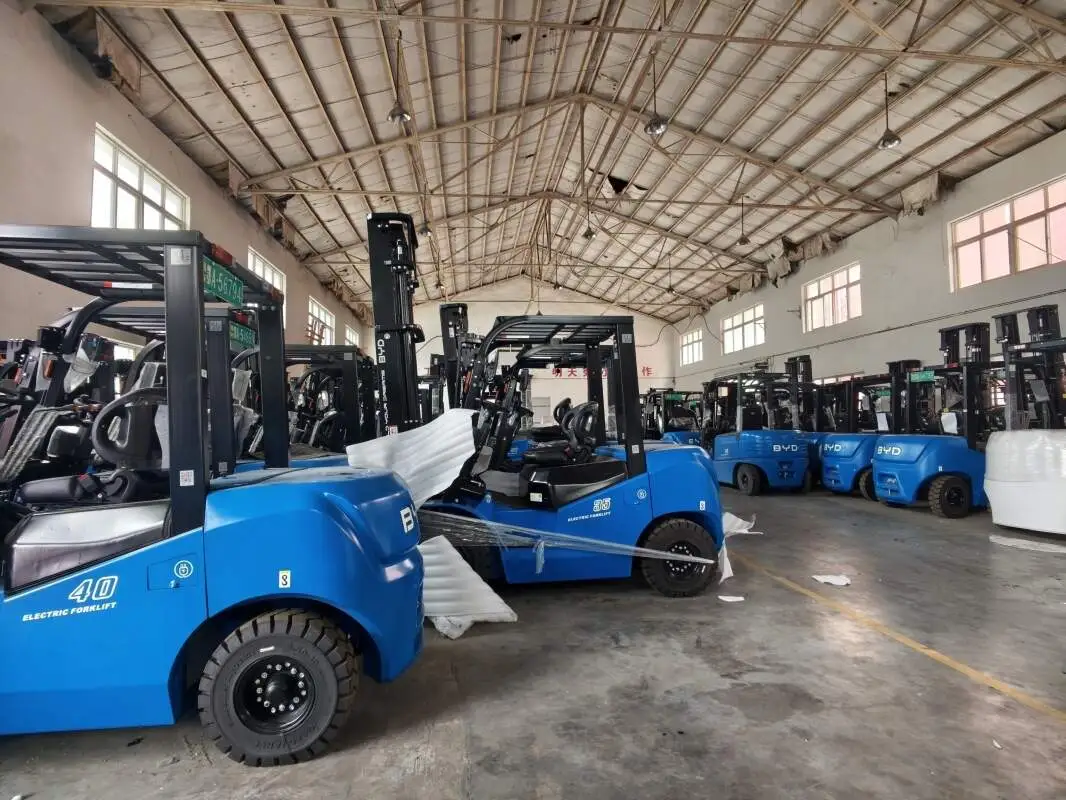
Managing a forklift fleet requires balancing operational efficiency with cost control, and maintenance expenses often make up a substantial portion of overall operational budgets. Unplanned breakdowns, premature component failures, and inefficient maintenance practices can quickly drive up costs, hurting a business’s bottom line. Implementing targeted, evidence-based strategies can help reduce these expenses while ensuring fleet reliability and safety.
Proactive preventive maintenance serves as a foundational strategy for controlling forklift fleet maintenance costs. Rather than waiting for equipment to fail, establishing a regular maintenance schedule based on manufacturer guidelines and operational usage can catch minor issues before they develop into costly repairs. This includes routine tasks like oil changes, filter replacements, brake inspections, and tire checks. Sticking to a consistent schedule minimizes unplanned downtime, extends each forklift’s lifespan, and avoids the high costs linked to emergency repairs and replacement parts needed for sudden failures.
Investing in comprehensive operator training is another critical step. Many forklift maintenance problems arise from improper operation, such as overloading, aggressive maneuvering, or ignoring warning signs. Training programs should cover not only safe operation techniques but also basic daily maintenance checks that operators can perform, like fluid level inspections and tire condition assessments. Well-trained operators are more likely to handle equipment carefully, spot potential issues early, and report problems promptly, reducing the risk of expensive damage and extending the fleet’s operational life.
Leveraging real-time monitoring and data tracking tools offers valuable insights into fleet performance and maintenance needs. Modern telematics systems can track usage metrics such as hours operated, load capacity, and fuel or battery consumption, as well as alert managers to potential issues like engine faults or abnormal component wear. Analyzing this data allows businesses to optimize maintenance schedules, identify underperforming equipment, and make informed decisions about repair versus replacement. Data-driven maintenance ensures resources are allocated efficiently, avoiding unnecessary servicing and lowering overall costs.
Strategic component replacement is also essential for cost control. Instead of replacing entire assemblies when a single component fails, businesses can prioritize repairing or replacing individual parts where feasible. Additionally, choosing high-quality, durable components that match the equipment’s operational requirements can reduce replacement frequency. It’s important to balance upfront costs with long-term value; while cheaper parts may save money initially, they often wear out faster, leading to more frequent repairs and higher overall expenses over time.
By combining these effective methods—proactive preventive maintenance, operator training, data-driven monitoring, and strategic component replacement—businesses can significantly cut forklift fleet maintenance costs. These strategies not only eliminate unnecessary expenses but also enhance fleet reliability, improve safety, and boost overall operational efficiency. Taking a proactive approach to maintenance ensures that the forklift fleet remains a productive asset rather than a financial burden.