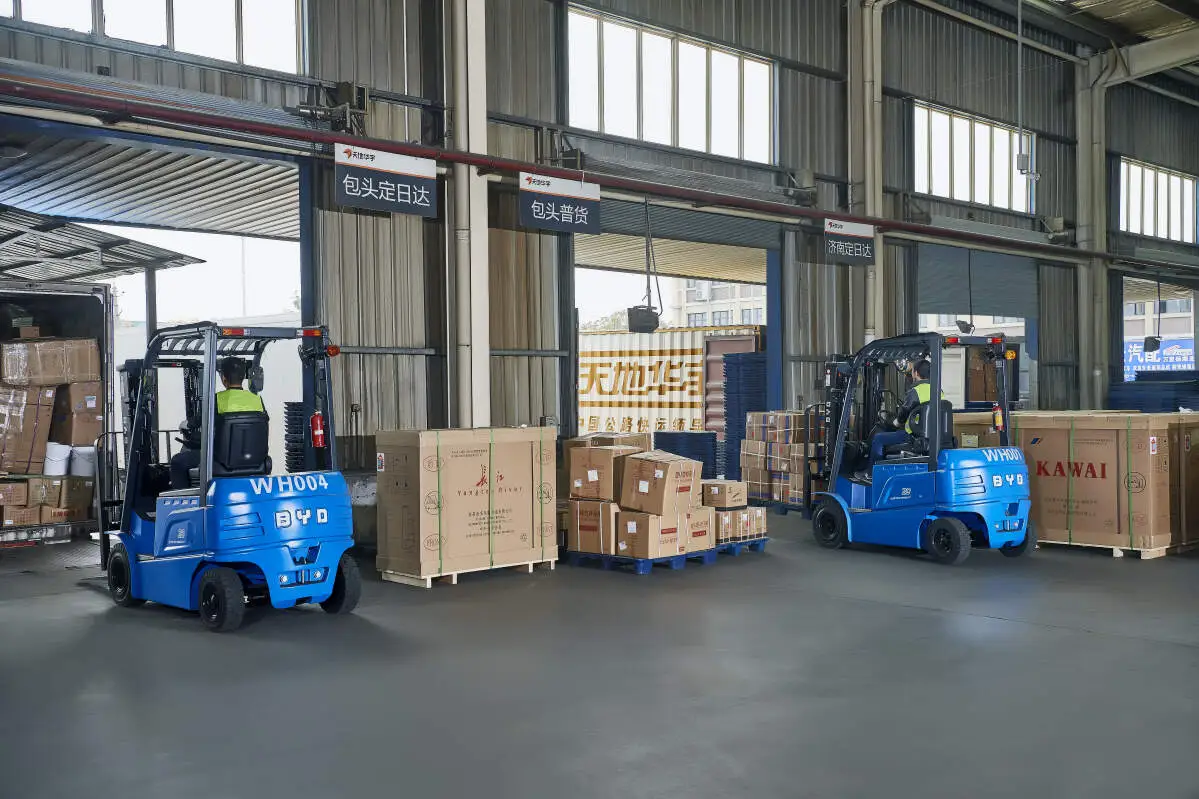
Solid forklift tires are critical for safe and efficient material handling operations, as they bear heavy loads and endure frequent contact with rough surfaces. Catching early signs of wear and damage can prevent costly replacements, reduce downtime, and enhance workplace safety. Here are key ways to identify these issues before they escalate.
Start with a thorough visual inspection. Examine the tire tread for uneven wear patterns, which may indicate misalignment of the forklift’s wheels or improper load distribution. Look for small cracks on the tire surface or sidewalls—these can spread over time due to exposure to extreme temperatures, chemical spills, or repeated impact. Pay attention to any chunks missing from the tire, as this can compromise structural integrity and lead to sudden failure in severe cases.
Next, use tactile inspection to detect subtle damage that might escape the eye. Run your hand along the tire surface to feel for bulges, raised edges, or smooth spots. Bulges often signal internal damage from heavy impacts with loading docks or uneven terrain, while smooth patches suggest uneven wear that could reduce traction. This hands-on approach helps uncover hidden issues that can affect the forklift’s stability during operation.
Monitor changes in the forklift’s performance as a clue to tire wear. If you notice increased vibration during operation, especially at higher speeds, it may be a sign of uneven tire wear or internal structural damage. Difficulty steering, such as a tendency to pull to one side, can also indicate that one or more tires are wearing unevenly due to misalignment. Additionally, reduced traction on wet or slippery surfaces might point to worn tread that’s no longer providing sufficient grip for safe maneuvering.
Maintain regular inspection records to track tire condition over time. Compare current observations with previous notes to identify gradual changes in wear patterns. This historical data can help you spot trends, such as accelerated wear in areas with frequent exposure to sharp debris or heavy loads, allowing you to adjust maintenance schedules or operational practices to minimize future damage.
By combining visual checks, tactile inspections, performance monitoring, and consistent record-keeping, you can effectively identify early wear and damage on solid forklift tires. Addressing these issues promptly not only extends the lifespan of your tires but also ensures the safety and efficiency of your material handling operations. Regular, proactive checks are a small investment that can yield significant long-term benefits for your workplace.