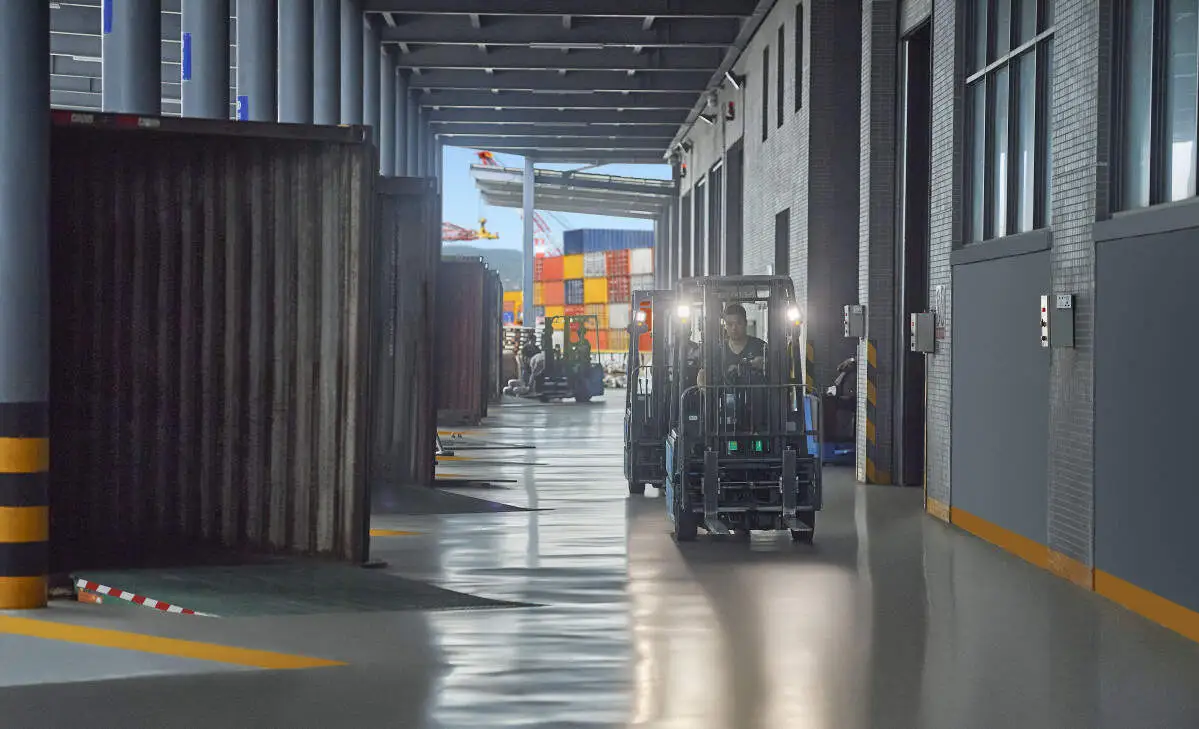
Understanding accurate weight reference information is critical for the safe and efficient operation of SkyTrak-style heavy-duty forklift equipment. These robust machines are designed to handle substantial loads, and knowing their weight-related parameters helps operators make informed decisions, prevent overloads, and maintain stability in various work environments.
First, it’s important to grasp the base weight specifications of these forklifts. The empty weight, which includes the machine itself without any attachments or load, serves as a foundational metric. This weight varies depending on the specific model and configuration, typically ranging from several thousand to over ten thousand pounds. Understanding the empty weight is key to calculating the total weight when adding attachments like side shifters or fork extensions, as these additions can alter the machine’s balance and load-bearing capacity.
Next, load capacity reference data is a core component of safe operation. SkyTrak-style heavy-duty forklifts are engineered to carry specific maximum loads under standard conditions, usually specified at a standard load center distance. As the load center shifts forward or the lifting height increases, the maximum safe load capacity decreases. Operators must consult the machine’s weight reference documentation to adjust load limits accordingly, ensuring they never exceed the recommended capacities for the given operating scenario.
Weight distribution also plays a vital role in maintaining forklift stability. These forklifts rely on a counterweight system located at the rear to offset the weight of loads carried at the front. The balance between the counterweight, empty machine weight, and load weight must be carefully managed. If the load exceeds the counterweight’s capacity, the forklift risks tipping forward, posing serious safety hazards. Operators should always ensure loads are positioned correctly on the forks to keep the load center within the specified range outlined in the weight reference materials.
In addition to static weight parameters, operators need to consider dynamic weight factors during operation. For example, driving on uneven terrain or navigating slopes can affect how the machine’s weight is distributed, reducing effective load capacity. Similarly, sudden starts, stops, or turns can shift the load and alter the forklift’s stability. Weight reference guidelines often include notes on adjusting operations in these dynamic scenarios to maintain safety and efficiency.
Regularly verifying and updating weight reference information is another important practice. Over time, wear and tear on components or the addition of new attachments can change the machine’s weight characteristics. Operators and maintenance teams should conduct periodic checks to ensure the weight data remains accurate, and any modifications to the forklift should be accompanied by updated weight reference calculations to reflect the new configuration.
By adhering to the weight reference information provided for SkyTrak-style heavy-duty forklifts, operators can minimize safety risks, extend the lifespan of the equipment, and ensure optimal performance in every task. Taking the time to understand and apply these guidelines is an essential part of responsible forklift operation.