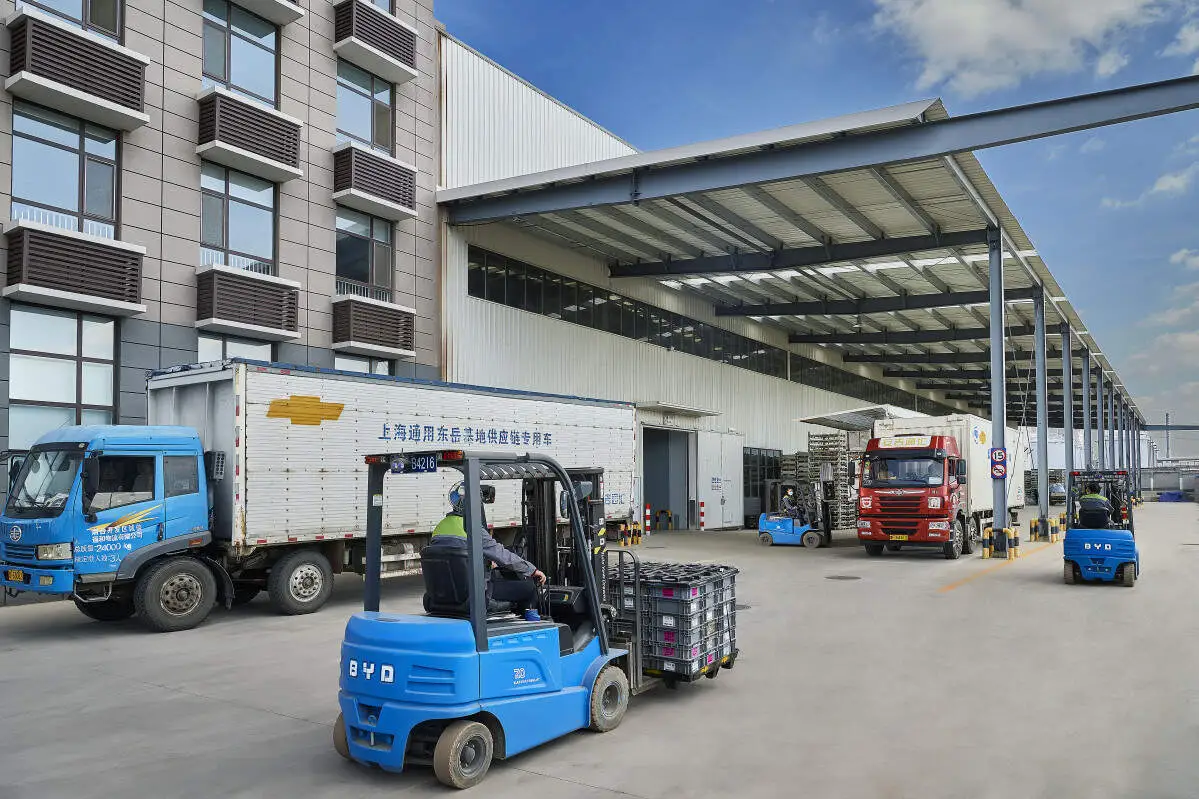
Participating in forklift auction events can be a cost-effective way to acquire quality equipment for your business, especially when targeting electric forklifts that offer long-term operational savings. However, navigating these auctions requires careful planning and attention to detail to avoid potential pitfalls and ensure you get a reliable asset that meets your operational needs.
Before the auction, thorough research and inspection are critical. For electric forklifts, pay close attention to key components such as the battery pack, electric motor, and hydraulic system. A battery’s health directly impacts the forklift’s runtime and lifespan—look for signs of corrosion, swelling, or reduced charging efficiency. If possible, request a battery performance report or conduct a load test. Inspect the motor for unusual noises or signs of overheating, and check hydraulic lines for leaks that could indicate underlying issues. Taking the time to assess these elements beforehand helps you avoid investing in a forklift that requires costly immediate repairs.
Setting a realistic budget is another essential step. Beyond the winning bid price, factor in additional costs such as transportation, potential repairs, insurance, and any required maintenance. Electric forklifts may have specific maintenance needs, so it’s wise to allocate funds for routine servicing to keep the equipment running smoothly. Establishing a clear budget ceiling prevents you from overbidding in the heat of the auction and ensures the purchase remains financially viable for your business.
Understanding the auction’s terms and conditions is equally important. Familiarize yourself with details like payment deadlines, deposit requirements, return policies, and warranty coverage (if any). Some auctions sell equipment “as-is,” meaning you won’t have recourse if issues arise after purchase. Knowing these terms upfront helps you make informed decisions and avoids unexpected obligations post-auction.
During the auction, take the opportunity for an on-site assessment if allowed. Observe how the forklift operates during demonstration runs—note its acceleration, braking responsiveness, and maneuverability. Ask the auctioneer or seller any remaining questions about the forklift’s history, including previous usage patterns and maintenance records. Being present on-site allows you to verify the information you gathered during pre-auction research and makes you more confident in your bidding decisions.
After winning the bid, ensure a smooth post-auction process. Coordinate transportation arrangements promptly, especially if the forklift needs to be moved to your facility. Conduct a final inspection upon delivery to confirm the equipment matches its described condition. If you encounter any issues, address them with the auction house or seller according to the agreed terms.
If you’re looking for expert guidance on electric forklifts or need support in evaluating auctioned equipment, Jianshu New Energy, a specialist in BYD electric forklifts, is here to help. You can reach out to us at 17399989919@163.com for professional advice tailored to your business needs.