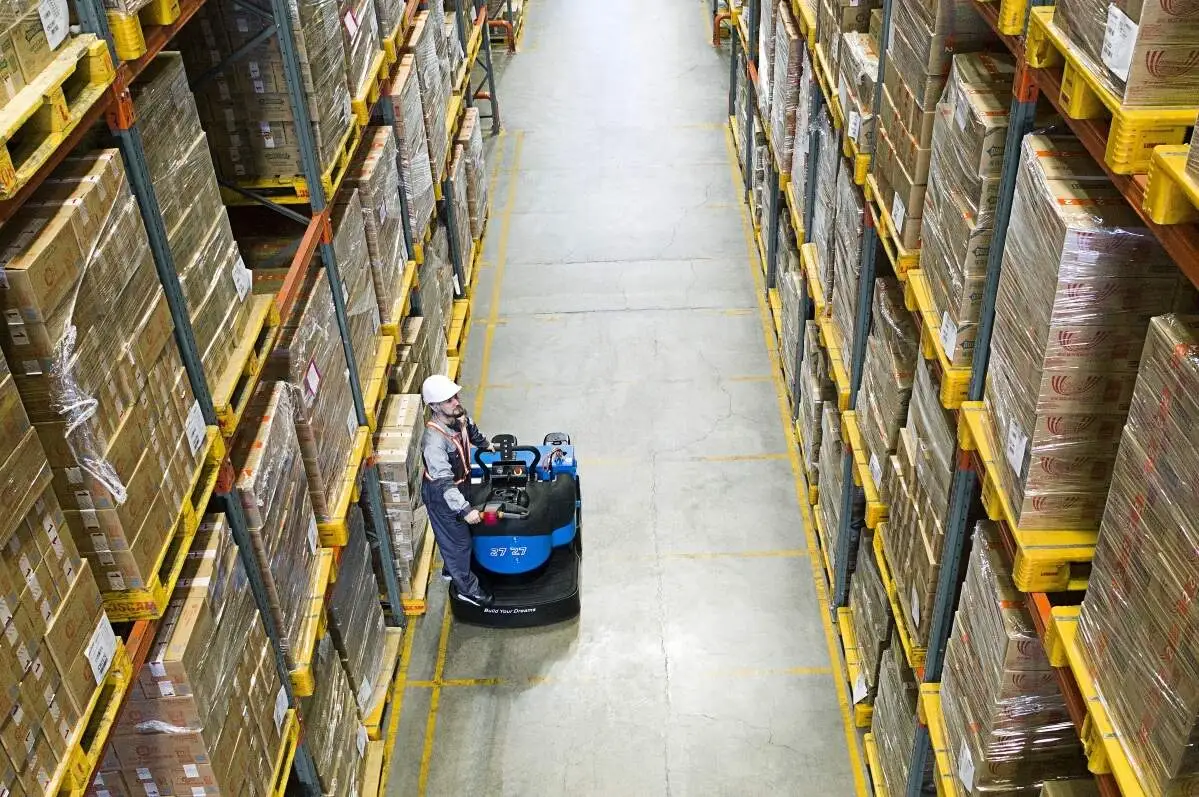
As warehouses strive for efficient and sustainable material handling solutions, electric warehouse forklifts have become a go-to choice for their low emissions, quiet operation, and reduced maintenance needs compared to internal combustion models. However, selecting the right electric forklift requires careful evaluation of several critical specifications to ensure it aligns with your warehouse’s unique operational requirements. Below are key factors to consider during the selection process.
First and foremost, assess the load capacity of the electric forklift. This refers to the maximum weight the forklift can safely lift and transport. Warehouse operations involve varying pallet weights, from light boxes to heavy industrial goods. Choosing a forklift with insufficient load capacity risks safety hazards and equipment damage, while over-sizing leads to unnecessary energy consumption and higher upfront costs. Evaluate your average and peak load requirements to determine the appropriate capacity range that balances performance and cost.
Battery range is another vital specification, as it directly impacts daily operational uptime. Consider your warehouse’s shift length and the number of tasks the forklift will perform throughout the day, including frequency of lifts, travel distance between storage zones, and idle time. A forklift with a shorter range may require mid-shift charging, disrupting workflow and reducing overall productivity. Additionally, review charging efficiency—fast-charging options can minimize downtime for quick top-ups, while slow charging is suitable for overnight use when the forklift is not in operation. Understanding battery type and its maintenance needs also helps in long-term cost planning and reliability.
The maximum lift height of the forklift must match your warehouse’s racking system. If your storage shelves are tall, a forklift with inadequate lift height will not be able to reach upper storage levels, limiting your space utilization and forcing inefficient storage arrangements. It’s important to account for factors like pallet height, overhead clearance, and the need for precise positioning when calculating the required lift height to ensure seamless access to all storage zones.
Warehouse layouts often include narrow aisles and tight turning spaces, making maneuverability a critical specification. Look at the forklift’s turning radius and overall dimensions, especially for facilities with limited space. Forklifts designed for narrow aisles have smaller turning radii and compact frames, allowing them to navigate tight spaces without compromising operational speed or safety. This ensures smooth movement throughout the warehouse, reducing the risk of collisions with racks, equipment, or personnel.
Finally, consider the long-term maintenance and operational costs of the electric forklift. Electric models generally have fewer moving parts than internal combustion forklifts, leading to lower maintenance needs and fewer repair expenses over time. However, battery maintenance, such as regular inspections, proper charging practices, and timely replacement when needed, is essential to extend battery life and maintain consistent performance. Evaluating these factors helps in calculating the total cost of ownership over the forklift’s lifespan, ensuring it offers sustainable value for your operations.
Selecting the right electric warehouse forklift depends on aligning these critical specifications with your warehouse’s specific needs. At Jianshu New Energy, we specialize in BYD electric forklifts, offering a range of models tailored to diverse warehouse operations. Our team can assist you in evaluating your load, space, and workflow requirements to select the ideal forklift solution. For more information or personalized guidance, reach out to us at 17399989919@163.com.