If you’re looking to launch a career in warehouse logistics or expand your industrial skill set, enrolling in a local forklift operator school is a strategic first step. These institutions offer structured, practical training that goes beyond basic driving to prepare you for real-world workplace challenges.
The foundation of any reputable forklift program is safety training. Instructors cover critical protocols to reduce workplace accidents, such as assessing load capacity to prevent tipping, navigating narrow aisles without obstructing other workers, and identifying blind spots that pose risks to pedestrians and property. You’ll also learn emergency response procedures, including how to safely stop a malfunctioning forklift, evacuate in case of a battery leak (for electric models), and administer basic first aid if an incident occurs. This focus on safety ensures you’re not only a competent operator but also a responsible team member.
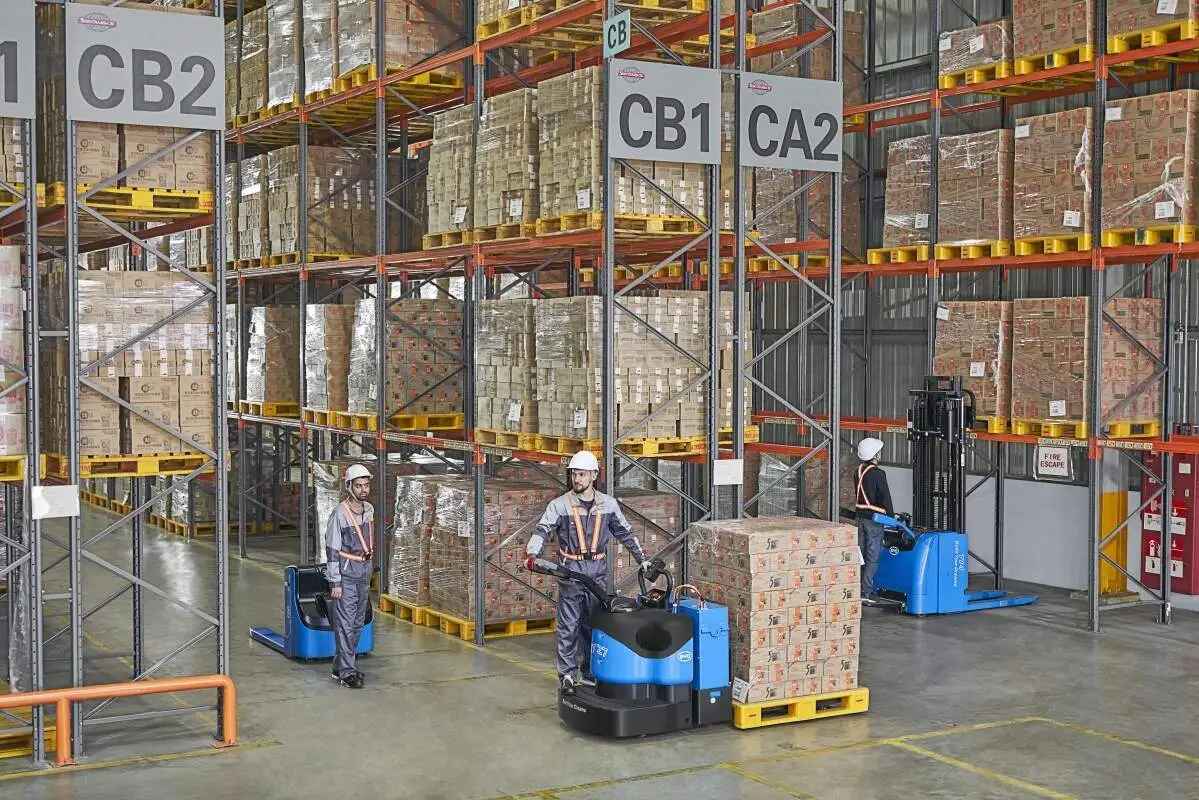
Hands-on operation is another core component of local forklift school training. You’ll gain experience with different types of forklifts commonly used in warehouses, including electric sit-down models and stand-up reach trucks. Under the guidance of certified trainers, you’ll practice precision tasks like stacking pallets at varying heights, maneuvering around obstacles, and docking with loading docks. Small class sizes mean you get personalized feedback, allowing you to refine your technique and build confidence before entering a busy warehouse environment.
Preventive maintenance skills are often overlooked but invaluable for long-term job success. Local schools teach you how to perform daily pre-operation checks, such as inspecting tire pressure, testing brake functionality, checking hydraulic fluid levels, and verifying battery charge (for electric forklifts). You’ll learn to spot early signs of wear and tear that could lead to costly breakdowns, enabling you to address minor issues before they escalate. This knowledge not only extends the lifespan of equipment but also makes you a more versatile candidate for employers who value proactive maintenance.
Understanding regulatory compliance is essential to securing employment. Instructors will walk you through the latest industry regulations, including those set by occupational safety authorities, and prepare you for the certification exam required to legally operate a forklift. You’ll learn how to complete logbooks, adhere to workplace safety standards, and maintain your certification through periodic renewals. Earning this certification demonstrates to employers that you meet professional standards, significantly boosting your job prospects.
Finally, local forklift schools often incorporate warehouse best practices into their curriculum. You’ll learn how to collaborate with warehouse teams, optimize your route to improve efficiency, and handle different types of cargo safely. This holistic training ensures you’re ready to contribute to daily operations from day one, making you a valuable asset to any logistics or manufacturing facility.
Enrolling in a local forklift operator school gives you access to tailored training that meets the needs of regional employers. Whether you’re a beginner or looking to refresh your skills, these programs provide the knowledge and practical experience needed to thrive in a high-demand industrial role.