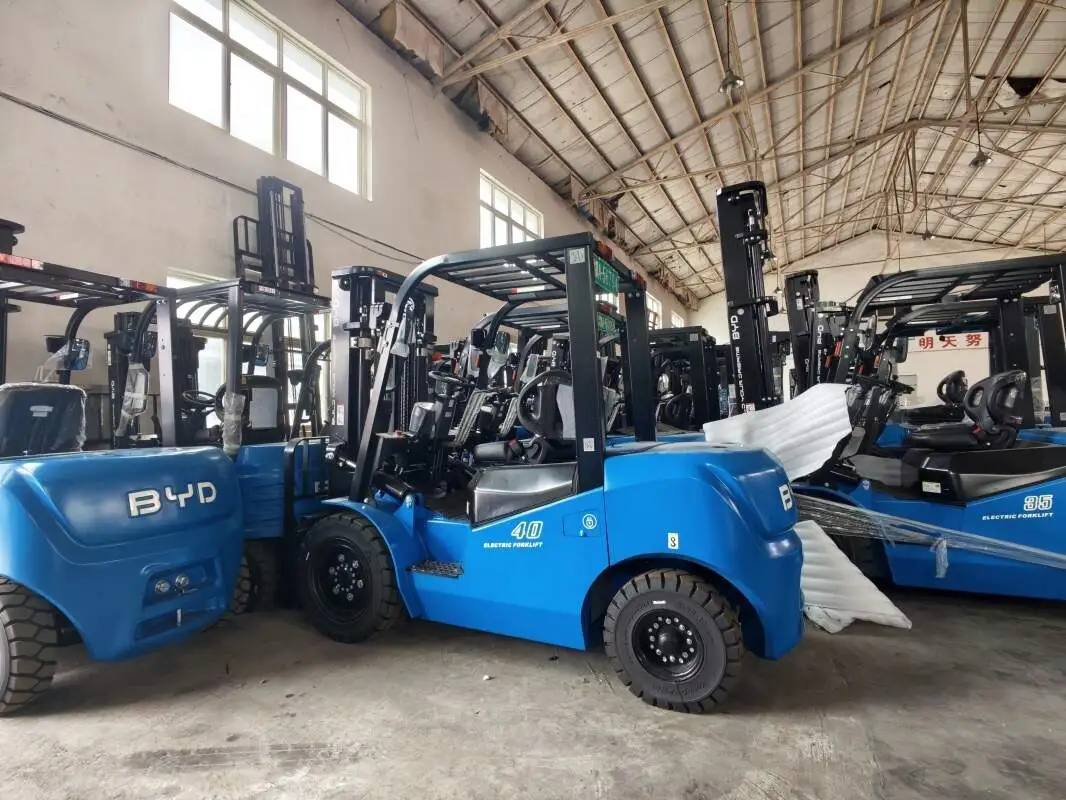
electric forklifts have emerged as essential assets in modern warehousing and logistics, valued for their efficiency and eco-friendly attributes. While equipment quality contributes to longevity, operator habits often exert a more direct and substantial influence on an electric forklift’s overall service life.
Conducting consistent pre-shift inspections is one of the most impactful operator habits. Spending 5 to 10 minutes before starting work to examine key components—including tire pressure, battery connections, brake responsiveness, and hydraulic fluid levels—can catch minor issues before they evolve into costly breakdowns. For example, a loose battery terminal may seem insignificant, but over time, it can cause inconsistent power supply and damage the battery management system, drastically shortening battery lifespan. Neglecting these routine checks leads to unexpected downtime and repairs that could be avoided with simple, regular assessments.
Smooth, controlled operation is another critical habit that preserves forklift health. Sudden accelerations, hard braking, and sharp turns place excessive stress on the drivetrain, brakes, and steering components, causing premature wear and tear. Hard braking, for instance, not only wears brake pads faster but also strains the battery through rapid discharge. By maintaining steady speeds, planning turns in advance, and avoiding unnecessary abrupt movements, operators reduce mechanical stress and extend the lifespan of critical parts.
Proper charging practices are equally vital for electric forklift longevity. Overcharging, undercharging, or leaving batteries in a discharged state for extended periods degrade battery performance and shorten their usable life. Operators should adhere to recommended charging cycles—typically charging when the battery reaches 20-30% capacity and stopping once fully charged. Ensuring the charging area is clean and well-ventilated prevents overheating, a common cause of battery damage. These habits help maintain battery health, often one of the most costly components to replace.
Finally, timely communication with maintenance teams supports long-term forklift durability. Operators are the first to notice unusual noises, vibrations, or performance issues. Reporting these observations promptly allows technicians to address problems early, preventing escalation. For example, a grinding brake noise may indicate worn pads; replacing them immediately avoids damage to brake rotors, a far more expensive repair. Collaborating closely with maintenance ensures timely care, keeping the forklift in optimal condition.
In summary, operator habits play a decisive role in an electric forklift’s operational lifespan. Prioritizing pre-shift inspections, practicing smooth operation, following proper charging protocols, and communicating with maintenance teams can significantly extend service life. For professional guidance on electric forklift care or fleet management questions, contact Jianshu New Energy at 17399989919@163.com—we specialize in electric forklifts and are dedicated to helping you maximize your equipment’s longevity.