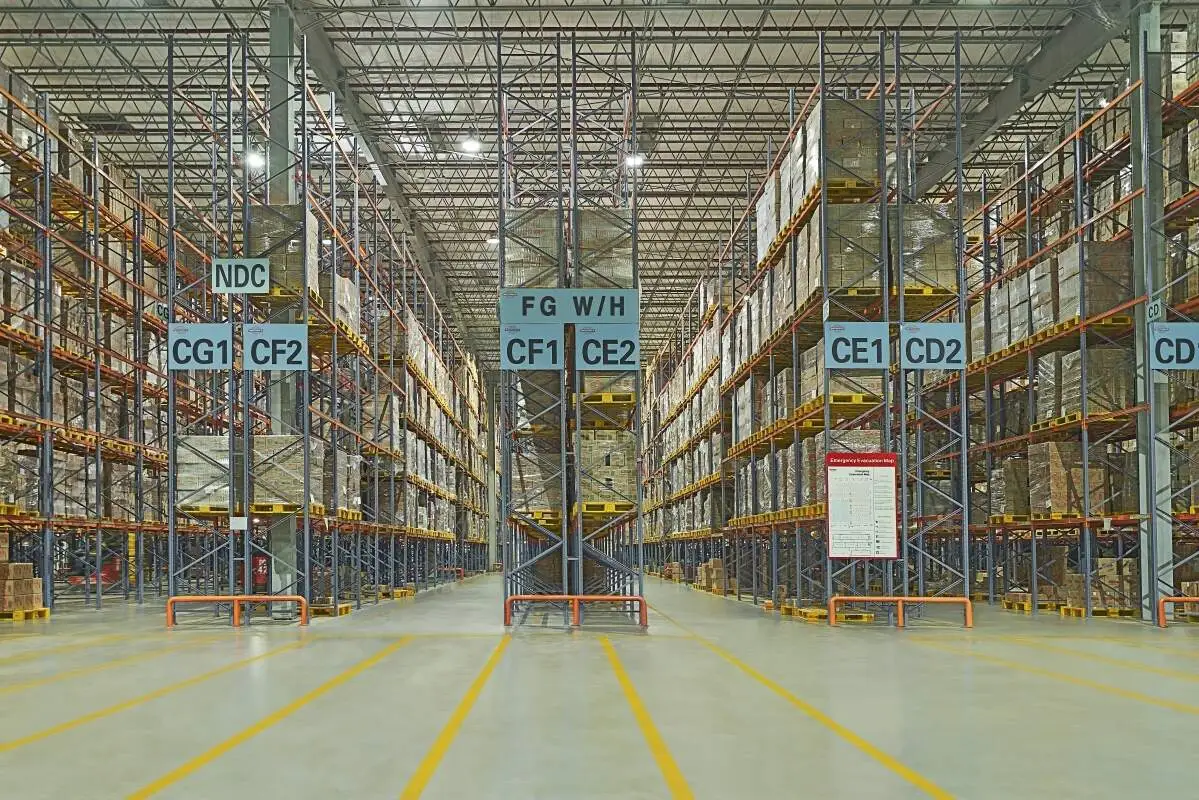
electric forklifts are indispensable tools in warehouses, distribution centers and manufacturing facilities, optimizing material handling tasks with efficiency and reduced environmental impact compared to fossil fuel-powered alternatives. Grasping their working mechanism is key for safe operation and effective maintenance.
At the core of every electric forklift is its power source: rechargeable batteries. These units supply direct current (DC) to two critical motors—the traction motor, which drives the wheels, and the hydraulic motor, which powers the lifting system. Battery capacity dictates the forklift’s continuous runtime, making regular charging and proper maintenance essential for avoiding operational disruptions.
The traction system converts electrical energy into mechanical motion. When the operator presses the accelerator pedal, the traction motor transmits power to the wheels via a transmission system. Most electric forklifts use either direct drive or gear reduction setups to adjust speed and torque, ensuring smooth navigation across varied surfaces, from smooth warehouse floors to outdoor loading areas.
The hydraulic system is what enables the forklift’s core lifting capability. The hydraulic motor operates a pump that circulates hydraulic fluid through a network of hoses and valves. Activating the lift lever directs fluid into the lift cylinder, extending its piston to raise the forks. Lowering the forks involves releasing a valve, allowing fluid to flow back into the reservoir as the load’s weight pushes the piston down. The tilt cylinder, another hydraulic component, lets operators tilt the mast forward or backward to stabilize loads during transport and placement.
The control system in the operator’s compartment centralizes all maneuvering functions. A steering wheel guides the front wheels, while pedals manage acceleration and braking. Specialized levers handle lifting, tilting and side-shifting operations. Many modern electric forklifts include electronic control modules that regulate power distribution, monitor battery health and provide real-time diagnostic feedback, boosting both performance and safety.
A typical operational cycle illustrates how these components work in tandem. First, the operator activates the forklift, connecting the battery to the motors. Pressing the forward or reverse pedal sends power to the traction motor, moving the vehicle toward the load. The lift lever raises the forks to the correct height, sliding them under the pallet. The tilt lever tilts the mast backward slightly to secure the load. The operator then transports the load to the target location, adjusts the fork height to align with storage racks, tilts the mast forward and lowers the forks to place the load. Finally, the brake is engaged, the forklift is turned off and parked securely.
Integrated safety features are a vital part of the working mechanism. Overload sensors detect when a load exceeds the forklift’s rated capacity, halting lift operations to prevent tipping. Emergency stop buttons immediately cut power to all systems in case of hazards. Some models also feature regenerative braking, which recaptures energy during braking to recharge the battery, enhancing overall efficiency.
In conclusion, an electric forklift’s function depends on the seamless cooperation of its power source, traction system, hydraulic system and controls. Each component plays a critical role in enabling efficient, safe material handling. Understanding this mechanism empowers operators to maximize productivity and maintenance teams to perform targeted upkeep, extending the forklift’s service life.