Преимущества и недостатки электрических вилочных погрузчиков и топливных вилочных погрузчиков полностью объяснены популярной наукой

2026-06-30

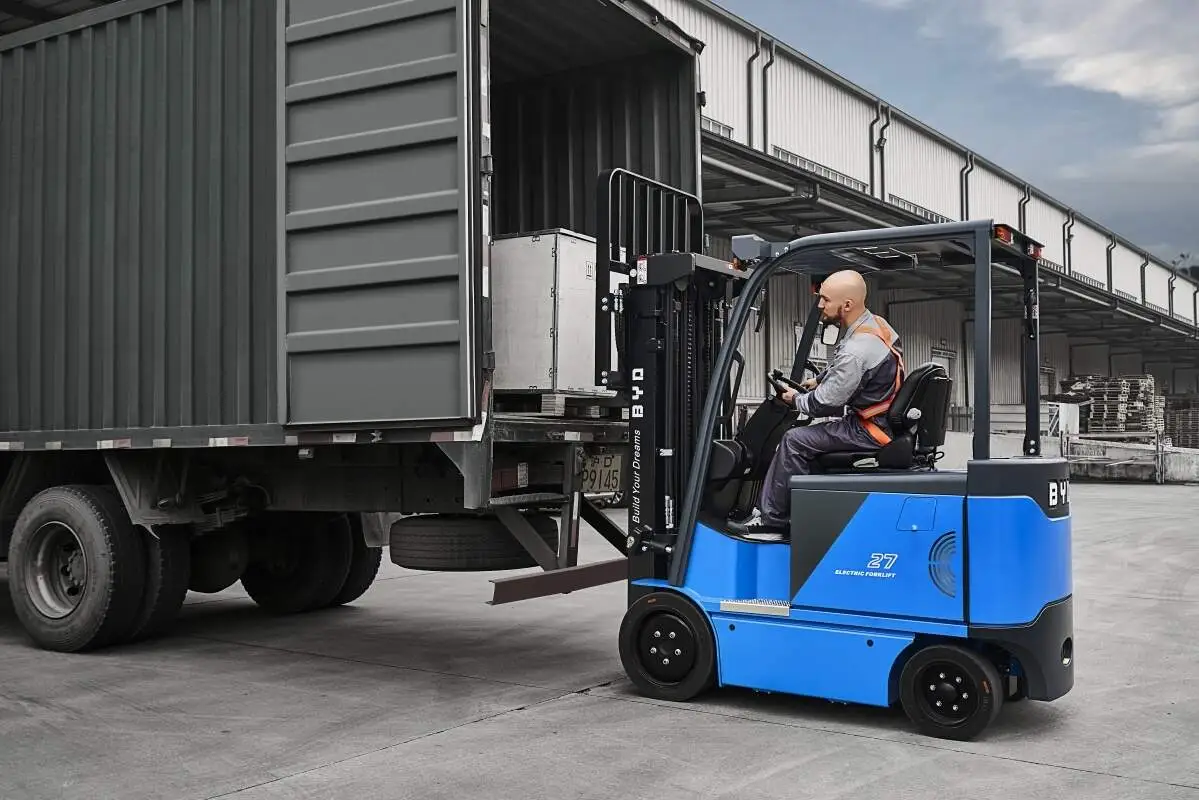
Преимущества и недостатки электрических вилочных погрузчиков и топливных вилочных погрузчиков полностью объяснены популярной наукой(фигура1)

В области промышленной логистики, складирования и обработки погрузчики являются основным оборудованием для повышения эффективности работы. Текущие основные типы погрузчиков на рынке делятся на электрические погрузчики и топливные погрузчики. Между ними существуют очевидные различия в производительности, стоимости и сценариях применения. Вот вам объяснение один за другим.

Преимущества и недостатки электрических погрузчиков

Основные преимущества электрических погрузчиков

Во-первых, отличная производительность в области защиты окружающей среды и контроля шума. Электрический погрузчик работает от батареи и не имеет выбросов выхлопных газов во время работы. Он очень подходит для сцен с высокими экологическими требованиями, таких как закрытые склады и мастерские в закрытых помещениях. В то же время рабочий шум намного ниже, чем у топливного погрузчика, что может эффективно снизить помехи для оператора и создать более комфортную рабочую среду. Во-вторых, стоимость долгосрочного обслуживания низкая. Структура электрического погрузчика относительно проста, нет сложной системы подачи топлива и выхлопной системы, а ежедневное техническое обслуживание необходимо только для проверки состояния аккумулятора, соединения цепи и износа шин, что снижает стоимость частой замены масла, фильтрующих элементов и других компонентов. В-третьих, точность работы выше. Электрический погрузчик имеет плавный запуск и гибкое рулевое управление, которое может точно контролировать положение обработки и подходит для тонкой сортировки грузов и штабелирования.

Ограничения электрических погрузчиков

Во-первых, срок службы батареи ограничен батареей. Срок службы батареи после одной зарядки ограничен, а для длительной непрерывной работы требуются резервные батареи или зарядные устройства, которые имеют определенные требования к условиям поддержки места эксплуатации. Во-вторых, первоначальная стоимость закупки высока, особенно для крупнотоннажных электрических погрузчиков, стоимость аккумуляторных батарей составляет большую часть, что увеличит первоначальные инвестиции. Кроме того, аккумуляторная активность электрических погрузчиков снизится в условиях низкой температуры, а также пострадает время автономной работы и мощность, что не подходит для работы на открытом воздухе в северную зиму.

Преимущества и недостатки топливных погрузчиков

Основные преимущества топливных погрузчиков

Во-первых, мощность сильна, а срок службы батареи неограничен. Топливный вилочный погрузчик полагается на топливный двигатель для обеспечения мощности с большим крутящим моментом и может легко справиться с тяжелой обработкой грузов; он может работать устойчиво после заправки топливом, без промежуточной зарядки, и подходит для долгосрочных и высокоинтенсивных задач по обработке на открытом воздухе. Во-вторых, первоначальная стоимость закупки ниже. Цена на топливо для вилочных погрузчиков того же тоннажа обычно ниже, чем у электрических вилочных погрузчиков, что более привлекательно для предприятий с ограниченным бюджетом. В-третьих, окружающая среда адаптируется. Топливный погрузчик имеет стабильную работу в суровых условиях, таких как низкая температура и высокая температура, и не будет ослаблять мощность. Он может удовлетворить потребности в различных сложных сценариях эксплуатации.

Ограничения топливных погрузчиков

Во-первых, экологические показатели плохие. Топливные вилочные погрузчики выделяют угарный газ, твердые частицы и другие загрязняющие вещества во время работы, что не соответствует требованиям защиты окружающей среды закрытых помещений и может использоваться только на открытом воздухе или в хорошо вентилируемых местах. Во-вторых, стоимость долгосрочного использования выше. На цены на топливо сильно влияют колебания рынка. В сочетании с необходимостью регулярного обслуживания топливной системы, замены масла и других компонентов долгосрочные инвестиции могут быть выше, чем у электрических вилочных погрузчиков. Кроме того, шум при работе велик, что вызовет определенные помехи окружающей среде и персоналу.

Отсылка к выбору вилочного погрузчика

При выборе типа погрузчика вам необходимо учитывать такие факторы, как ваш собственный сценарий работы, бюджет и требования к защите окружающей среды. Если основными являются мелкие работы в помещении, предпочтение отдается электрическим вилочным погрузчикам; если требуются сверхмощные непрерывные работы на открытом воздухе, топливные вилочные погрузчики являются более подходящим выбором. В то же время рассмотрите вспомогательные возможности рабочей площадки, например, наличие достаточных условий зарядки для поддержки использования электрических вилочных погрузчиков.

We use cookie to improve your online experience. By continuing to browse this website, you agree to our use of cookie.

Cookies

Please read our Terms and Conditions and this Policy before accessing or using our Services. If you cannot agree with this Policy or the Terms and Conditions, please do not access or use our Services. If you are located in a jurisdiction outside the European Economic Area, by using our Services, you accept the Terms and Conditions and accept our privacy practices described in this Policy.
We may modify this Policy at any time, without prior notice, and changes may apply to any Personal Information we already hold about you, as well as any new Personal Information collected after the Policy is modified. If we make changes, we will notify you by revising the date at the top of this Policy. We will provide you with advanced notice if we make any material changes to how we collect, use or disclose your Personal Information that impact your rights under this Policy. If you are located in a jurisdiction other than the European Economic Area, the United Kingdom or Switzerland (collectively “European Countries”), your continued access or use of our Services after receiving the notice of changes, constitutes your acknowledgement that you accept the updated Policy. In addition, we may provide you with real time disclosures or additional information about the Personal Information handling practices of specific parts of our Services. Such notices may supplement this Policy or provide you with additional choices about how we process your Personal Information.


Cookies

Cookies are small text files stored on your device when you access most Websites on the internet or open certain emails. Among other things, Cookies allow a Website to recognize your device and remember if you've been to the Website before. Examples of information collected by Cookies include your browser type and the address of the Website from which you arrived at our Website as well as IP address and clickstream behavior (that is the pages you view and the links you click).We use the term cookie to refer to Cookies and technologies that perform a similar function to Cookies (e.g., tags, pixels, web beacons, etc.). Cookies can be read by the originating Website on each subsequent visit and by any other Website that recognizes the cookie. The Website uses Cookies in order to make the Website easier to use, to support a better user experience, including the provision of information and functionality to you, as well as to provide us with information about how the Website is used so that we can make sure it is as up to date, relevant, and error free as we can. Cookies on the Website We use Cookies to personalize your experience when you visit the Site, uniquely identify your computer for security purposes, and enable us and our third-party service providers to serve ads on our behalf across the internet.

We classify Cookies in the following categories:
 ●  Strictly Necessary Cookies
 ●  Performance Cookies
 ●  Functional Cookies
 ●  Targeting Cookies


Cookie List
A cookie is a small piece of data (text file) that a website – when visited by a user – asks your browser to store on your device in order to remember information about you, such as your language preference or login information. Those cookies are set by us and called first-party cookies. We also use third-party cookies – which are cookies from a domain different than the domain of the website you are visiting – for our advertising and marketing efforts. More specifically, we use cookies and other tracking technologies for the following purposes:

Strictly Necessary Cookies
These cookies are necessary for the website to function and cannot be switched off in our systems. They are usually only set in response to actions made by you which amount to a request for services, such as setting your privacy preferences, logging in or filling in forms. You can set your browser to block or alert you about these cookies, but some parts of the site will not then work. These cookies do not store any personally identifiable information.

Functional Cookies
These cookies enable the website to provide enhanced functionality and personalisation. They may be set by us or by third party providers whose services we have added to our pages. If you do not allow these cookies then some or all of these services may not function properly.

Performance Cookies
These cookies allow us to count visits and traffic sources so we can measure and improve the performance of our site. They help us to know which pages are the most and least popular and see how visitors move around the site. All information these cookies collect is aggregated and therefore anonymous. If you do not allow these cookies we will not know when you have visited our site, and will not be able to monitor its performance.

Targeting Cookies
These cookies may be set through our site by our advertising partners. They may be used by those companies to build a profile of your interests and show you relevant adverts on other sites. They do not store directly personal information, but are based on uniquely identifying your browser and internet device. If you do not allow these cookies, you will experience less targeted advertising.

How To Turn Off Cookies
You can choose to restrict or block Cookies through your browser settings at any time. Please note that certain Cookies may be set as soon as you visit the Website, but you can remove them using your browser settings. However, please be aware that restricting or blocking Cookies set on the Website may impact the functionality or performance of the Website or prevent you from using certain services provided through the Website. It will also affect our ability to update the Website to cater for user preferences and improve performance. Cookies within Mobile Applications

We only use Strictly Necessary Cookies on our mobile applications. These Cookies are critical to the functionality of our applications, so if you block or delete these Cookies you may not be able to use the application. These Cookies are not shared with any other application on your mobile device. We never use the Cookies from the mobile application to store personal information about you.

If you have questions or concerns regarding any information in this Privacy Policy, please contact us by email at . You can also contact us via our customer service at our Site.