
 简体中文
简体中文 繁体中文
繁体中文 Deutsch
 日本語
日本語 한국어
한국어 Tiếng Việt
 Русский
 ไทย
ไทย Bahasa Indonesia
 Bahasa Melayu
 Filipino
 لالعربية
 Français

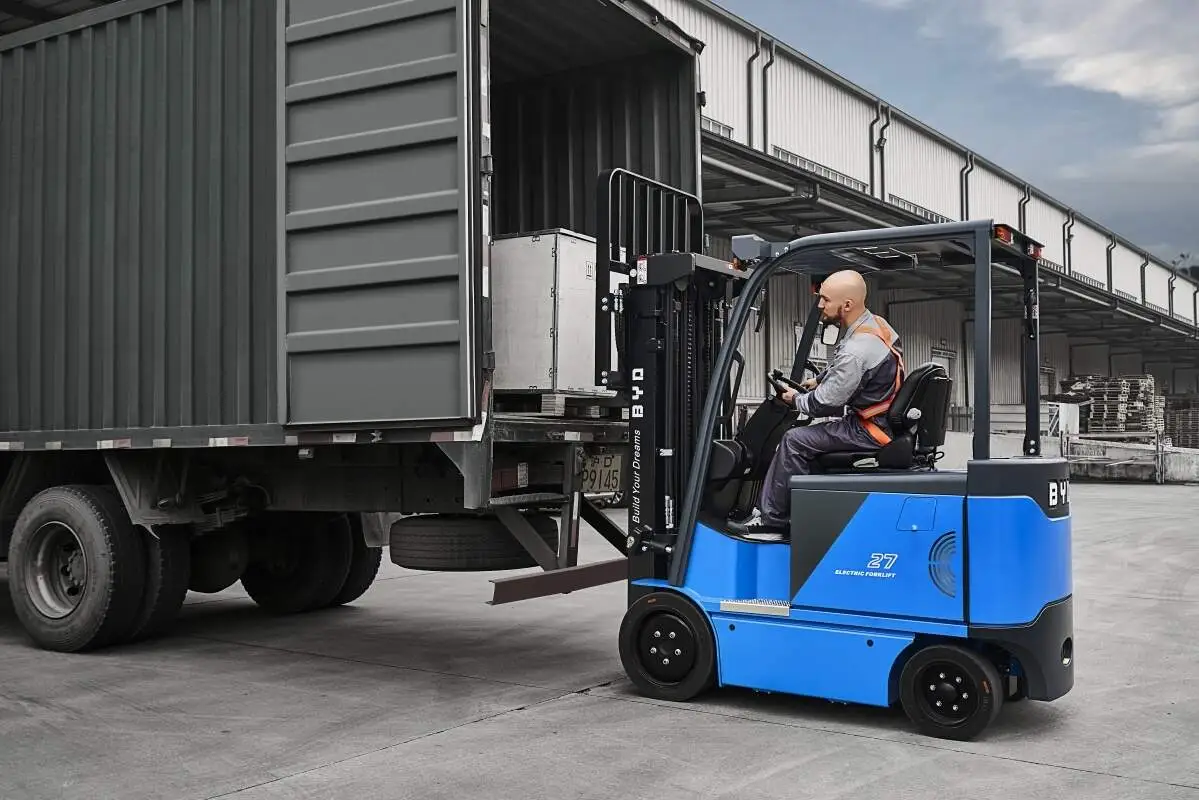
In the field of industrial logistics and warehousing and handling, forklifts are the core equipment for improving operation efficiency. The current mainstream forklift types in the market are divided into electric forklifts and fuel forklifts. There are obvious differences in performance, cost, and application scenarios between the two. Here is an explanation for you one by one.
The advantages and disadvantages of electric forklifts
The core advantages of electric forklifts
First, excellent performance in environmental protection and noise control. The electric forklift is battery-driven and has no exhaust emissions during operation. It is very suitable for scenes with high environmental requirements such as indoor closed warehouses and workshops. At the same time, the operating noise is much lower than that of the fuel forklift, which can effectively reduce the interference to the operator and create a more comfortable working environment. Second, the long-term maintenance cost is low. The structure of the electric forklift is relatively simple, there is no complicated fuel supply system and exhaust system, and the daily maintenance only needs to check the battery status, circuit connection and tire wear, which reduces the cost of frequent replacement of oil, filter elements and other components. Third, the operation accuracy is higher. The electric forklift has a smooth start and flexible steering, which can precisely control the handling position, and is suitable for fine cargo sorting and stacking operations.
The limitations of electric forklifts
First, the battery life is constrained by the battery. The battery life after a single charge is limited, and long-term continuous operation requires backup batteries or charging facilities, which has certain requirements for the supporting conditions of the operation site. Secondly, the initial procurement cost is high, especially for large-tonnage electric forklifts, the cost of battery packs accounts for a large proportion, which will increase the upfront investment. In addition, the battery activity of electric forklifts will decrease in low temperature environment, and the battery life and power performance will be affected, which is not suitable for outdoor operations in northern winter.
The advantages and disadvantages of fuel forklifts
The core advantages of fuel forklifts
First, the power is strong and the battery life is unlimited. The fuel forklift relies on the fuel engine to provide power, with large torque, and can easily cope with heavy cargo handling; it can operate sustainably after filling up the fuel, without charging halfway, and is suitable for long-term and high-intensity handling tasks outdoors. Second, the initial procurement cost is lower. The price of fuel forklifts of the same tonnage is usually lower than that of electric forklifts, which is more attractive for enterprises with limited budgets. Third, the environment is adaptable. The fuel forklift has stable performance in harsh environments such as low temperature and high temperature, and will not experience power attenuation. It can meet the needs of a variety of complex operation scenarios.
The limitations of fuel forklifts
First, the environmental performance is poor. Fuel forklifts emit carbon monoxide, particulate matter and other pollutants when they are running, which does not meet the environmental protection requirements of indoor enclosed spaces and can only be used outdoors or in well-ventilated places. Secondly, the long-term use cost is higher. Fuel prices are greatly affected by market fluctuations. Coupled with the need to regularly maintain the fuel system, change the oil and other components, the long-term investment may be higher than that of electric forklifts. In addition, the operation noise is large, which will cause certain interference to the surrounding environment and personnel.
Forklift selection reference
When choosing the type of forklift, you need to consider factors such as your own operation scenario, budget, and environmental protection requirements. If indoor fine operations are the main ones, electric forklifts are preferred; if outdoor heavy-duty continuous operations are required, fuel forklifts are a more suitable choice. At the same time, consider the supporting facilities of the work site, such as whether there are sufficient charging conditions to support the use of electric forklifts.


