
 简体中文
简体中文 繁体中文
繁体中文 Deutsch
 日本語
日本語 한국어
한국어 Tiếng Việt
 Русский
 ไทย
ไทย Bahasa Indonesia
 Bahasa Melayu
 Filipino
 لالعربية
 Français

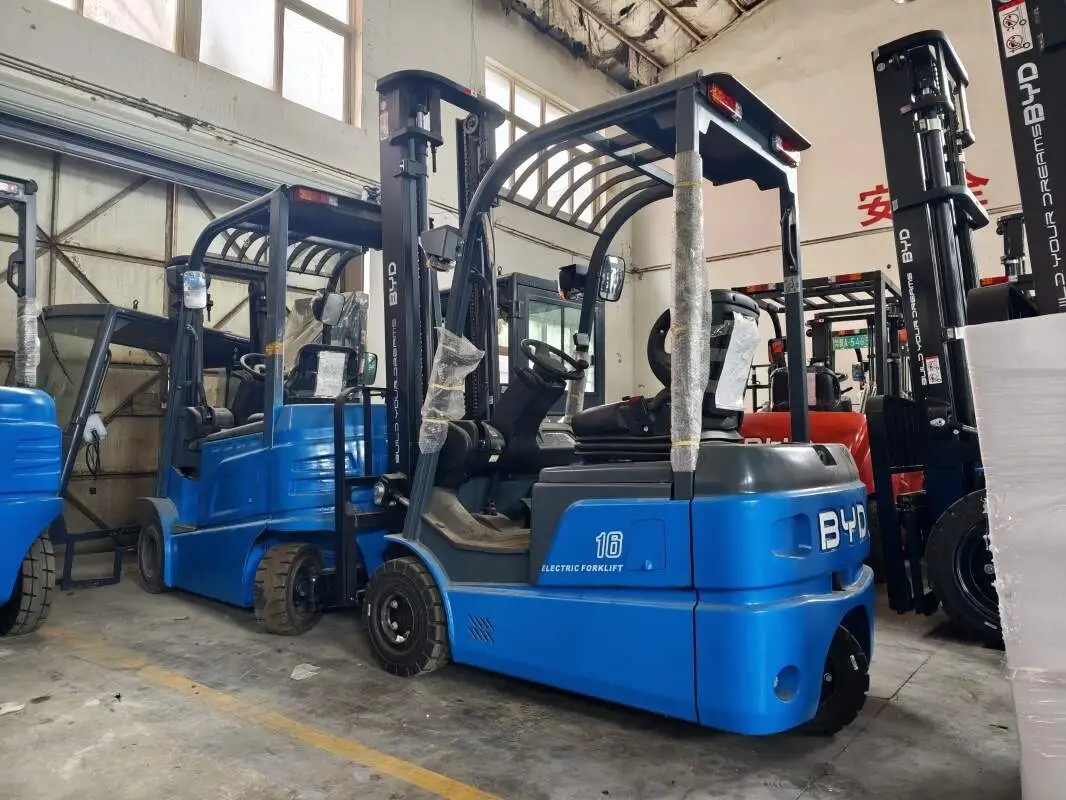
In enterprise logistics handling operations, forklifts are indispensable equipment, but in the face of electric and fuel models, many companies are caught in the dilemma of selecting models. To make a suitable choice, you can judge one by one from the following core dimensions.
Select according to the usage scenario
Different operating environments have significant differences in the performance requirements of forklifts. If the operation scene of an enterprise is mainly indoor enclosed spaces, such as warehouses, workshops, etc., an electric forklift will be a more suitable choice. It runs without exhaust emissions, does not cause indoor air pollution, and at the same time has low noise, which can create a more comfortable working atmosphere. If the operation scene is mostly in outdoor open areas, and the ground road conditions are complicated, such as construction sites, open-air freight yards, etc., the advantages of fuel forklifts are even more obvious. It has strong power, can cope with complex working conditions such as heavy loads and climbing, and is convenient to refuel, and can operate continuously for a long time.
Combined with operating cost accounting
Operating costs are an important consideration when selecting a business model. The initial procurement cost of an electric forklift is relatively high, but in the long run, the electricity expenditure for daily use is much lower than the fuel cost of a fuel forklift. In addition, the power structure of an electric forklift is relatively simple, without complex components such as engines and gearboxes. There are fewer maintenance items in the later stage, and the maintenance cost is lower. Although the initial procurement cost of a fuel forklift is low, the daily fuel consumption accounts for a large proportion. In addition, the engine needs to be replaced regularly with oil, filter elements and other components. Long-term maintenance and use costs will gradually rise.
Consider environmental policy requirements
With the continuous tightening of environmental protection policies, the requirements for vehicle emissions in different regions are also different. If the area where the enterprise is located has strict control over exhaust emissions, especially the indoor operation scene clearly prohibits fuel-powered equipment, then electric forklifts are an inevitable choice for compliance. Some industrial parks will also delineate low-emission or zero-emission areas. For enterprises operating in such areas, it is more in line with the policy to choose electric forklifts. If the area has fewer restrictions on exhaust emissions and the operation needs are more focused on power continuity, fuel forklifts can be used as an alternative.
Judging by ease of maintenance
The convenience of maintenance directly affects the operating efficiency and downtime of the equipment. The maintenance of electric forklifts focuses on batteries, motors and electronic control systems. The maintenance cycle is relatively long and the operation is relatively simple. The maintenance personnel of general enterprises can complete the basic maintenance work after training. The maintenance of fuel forklifts involves multiple complex systems such as engines, oil circuits, and circuits. It not only requires regular maintenance operations, but also professional maintenance personnel to deal with them. Once a failure occurs, the repair time may be longer, which will affect the operation progress.
Overall, when selecting a forklift, companies don't need to follow the trend blindly. They can choose the most suitable model by considering their own operating scenarios, cost budgets, environmental protection requirements, and maintenance capabilities, thus enhancing the efficiency and effectiveness of logistics handling operations.


