
 简体中文
简体中文 繁体中文
繁体中文 Deutsch
 日本語
日本語 한국어
한국어 Tiếng Việt
 Русский
 ไทย
ไทย Bahasa Indonesia
 Bahasa Melayu
 Filipino
 لالعربية
 Français

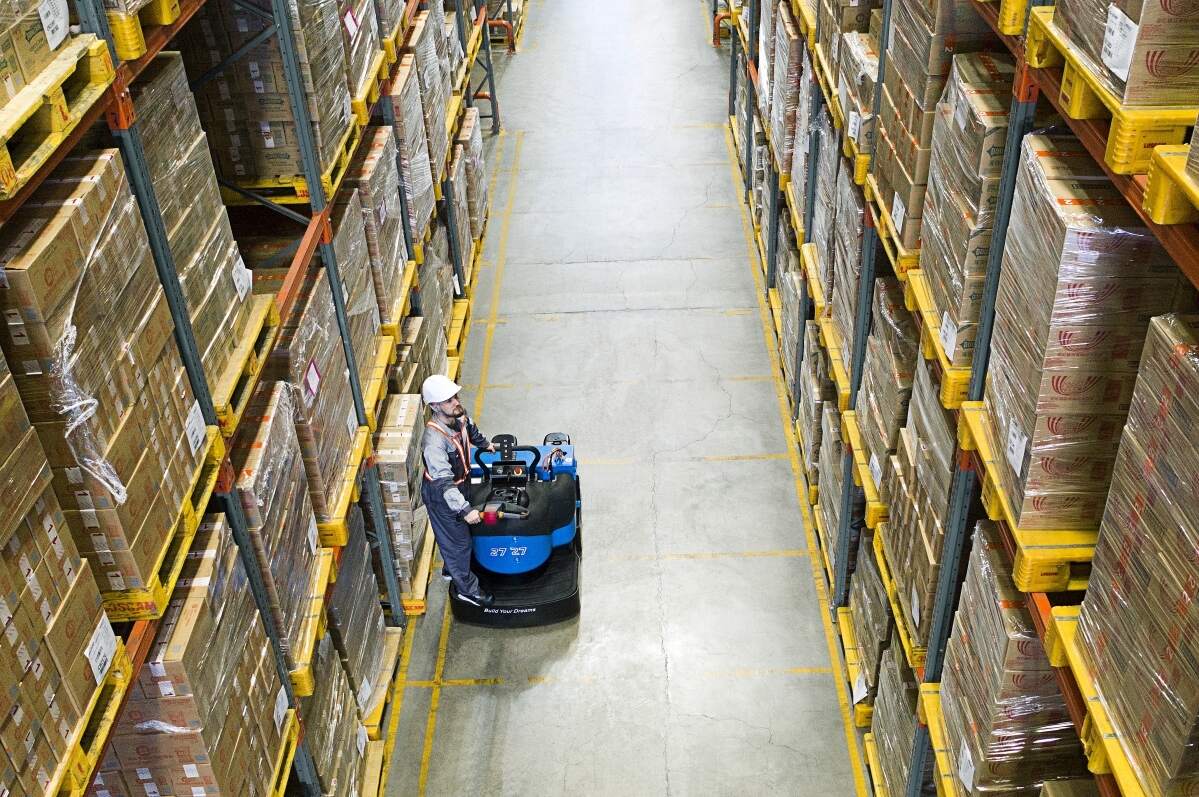
With the development of the logistics and warehousing industry, forklifts have become an indispensable operating tool, and many practitioners will choose second-hand forklifts to reduce their initial investment. In the second-hand market, electric forklifts and fuel forklifts have their own advantages and disadvantages. Mastering the purchase points and cost-effectiveness differences can help practitioners make more suitable choices.
Second-hand electric forklift purchase points
demand sorting
Before purchasing, it is necessary to clarify your own operating scenarios, such as indoor storage or outdoor yard, operating hours and load requirements. Indoor closed environments are more suitable for electric forklifts, while outdoor long-term heavy-duty operations can focus on fuel models, but in the second-hand market, it is necessary to judge the suitability based on actual vehicle conditions.
Key points of vehicle condition inspection
First check the battery status, which is the core component of the electric forklift. Ask about the battery life. Test the battery life through practice running to avoid high costs for subsequent battery replacement. Secondly, check the motor and control system to observe whether the forklift starts and turns smoothly, and whether there is any abnormal sound. Also check the wear of the body frame and tires to judge the overall wear and tear of the vehicle.
Cost-effective comparison of electric and fuel forklifts
Procurement cost comparison
In the second-hand market, the purchase price of electric forklifts of the same tonnage is usually higher than that of fuel forklifts, which is due to the higher cost of core components such as batteries and motors of electric forklifts. However, if it is a second-hand electric forklift with good battery condition, the follow-up investment will be relatively stable. The purchase price of fuel forklifts is lower, but it is necessary to focus on checking the engine wear and tear to avoid additional expenses caused by frequent maintenance.
Operation and maintenance cost comparison
The daily maintenance of electric forklifts mainly focuses on battery maintenance, regular inspection of electrolyte and charging equipment, and the overall maintenance cost is low. Fuel forklifts require regular replacement of oil and filter elements, and fuel consumption is also a long-term continuous expenditure, especially when oil prices fluctuate, operating costs will change significantly. From a long-term operation perspective, the cost advantage of electric forklifts will gradually emerge.
applicable scenario matching
Electric forklifts have zero emissions and low noise, making them suitable for indoor closed environments without causing air pollution and noise interference. Fuel forklifts have strong power and are not limited by charging, making them more suitable for outdoor long-term heavy-duty operations. Practitioners need to judge according to their own scene needs and choose the most cost-effective type.
In the second-hand forklift market, you can't just focus on the short-term purchase price, but also judge the vehicle condition, your own needs and long-term operating costs. Whether it is an electric or fuel forklift, as long as it is adapted to the operation scene, it can maximize the cost-effectiveness, reduce operating costs and improve operating efficiency for enterprises.


