
 简体中文
简体中文 繁体中文
繁体中文 Deutsch
 日本語
日本語 한국어
한국어 Tiếng Việt
 Русский
 ไทย
ไทย Bahasa Indonesia
 Bahasa Melayu
 Filipino
 لالعربية
 Français
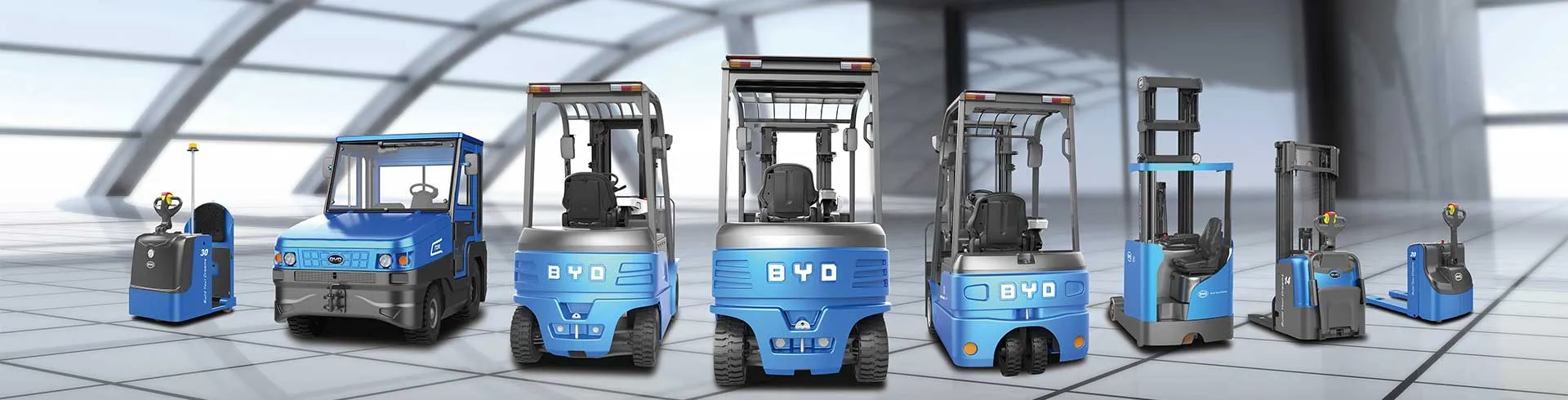
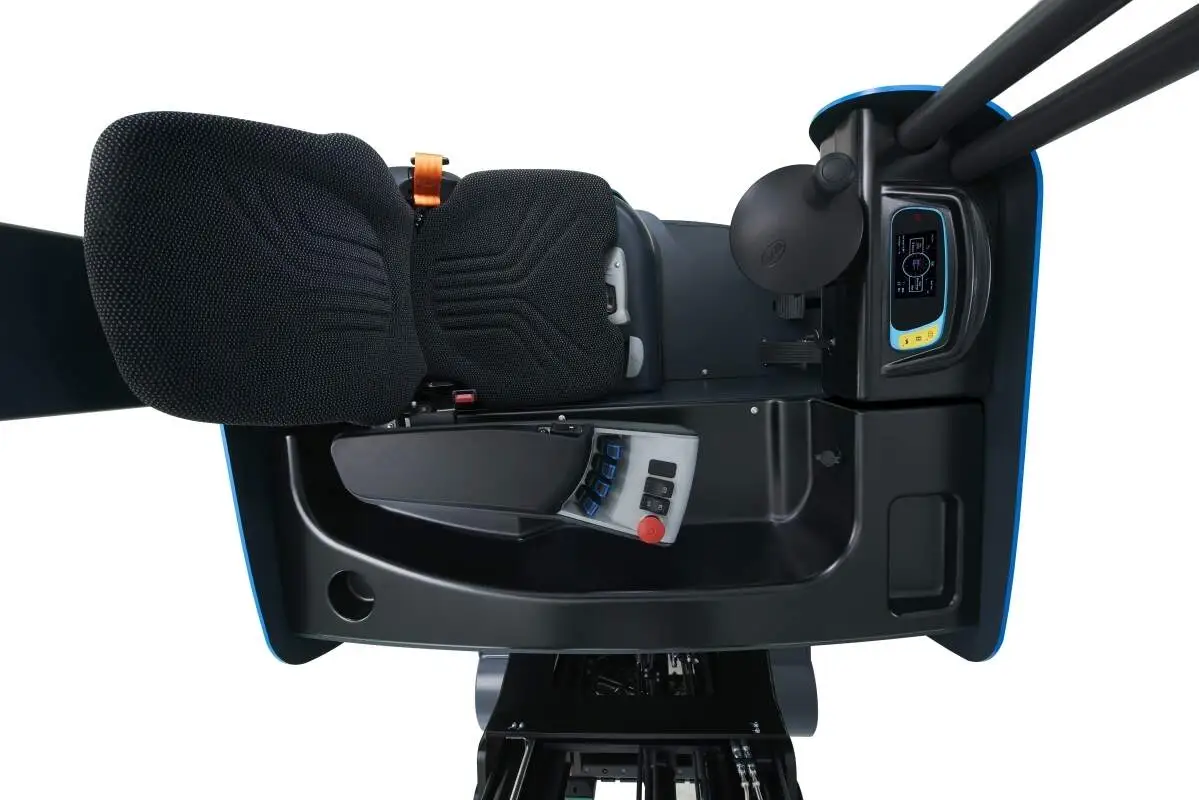
In scenarios such as temporary material handling and project phased operations, short-term leasing of forklifts has become the choice of many enterprises. Electric and fuel models are the mainstream of the market, and the rent difference is one of the core concerns of enterprise decision-making.
The short-term rental of electric forklifts usually consists of two parts: the use fee for basic equipment and the regular maintenance fee. Some rental plans will include battery charging services, and some plans require the lessee to bear the charging cost. Due to the stable energy consumption of electric models, the variable costs in daily use are relatively controllable, but some lessors will set different rental gears according to the battery life.
The short-term rental of fuel forklifts also includes the use of basic equipment, but the fuel cost in daily use needs to be borne by the lessee, and this part of the cost is greatly affected by the fluctuation of oil prices. In addition, the regular maintenance frequency of fuel models is relatively high, and some short-term rental plans will include the basic maintenance cost into the rent, and some plans require the lessee to pay additional replacement costs for small parts.
From the perspective of the total cost of short-term leases, when the lease period is 1-3 months, the initial rent of electric forklifts may be slightly higher than that of fuel models, but due to the stability of energy consumption costs, the total cost fluctuation is small; the initial rent of fuel models is slightly lower, but if the oil price rises during the lease period, the total rent may exceed that of electric models. In indoor closed operation scenarios, electric models are the choice for compliance without additional consideration of emission costs, while fuel models are only suitable for outdoor open scenarios, and some areas also need to pay emissions-related fees.
When choosing, enterprises need to consider factors such as the operating environment, the length of the lease period, and the budget range. If it is indoor operation or the lease period is long and the oil price fluctuates greatly, the rental of electric vehicles is more cost-effective; if it is short-term outdoor operation and the oil price is stable, the fuel model may be more flexible.


