
 简体中文
简体中文 繁体中文
繁体中文 Deutsch
 日本語
日本語 한국어
한국어 Tiếng Việt
 Русский
 ไทย
ไทย Bahasa Indonesia
 Bahasa Melayu
 Filipino
 لالعربية
 Français

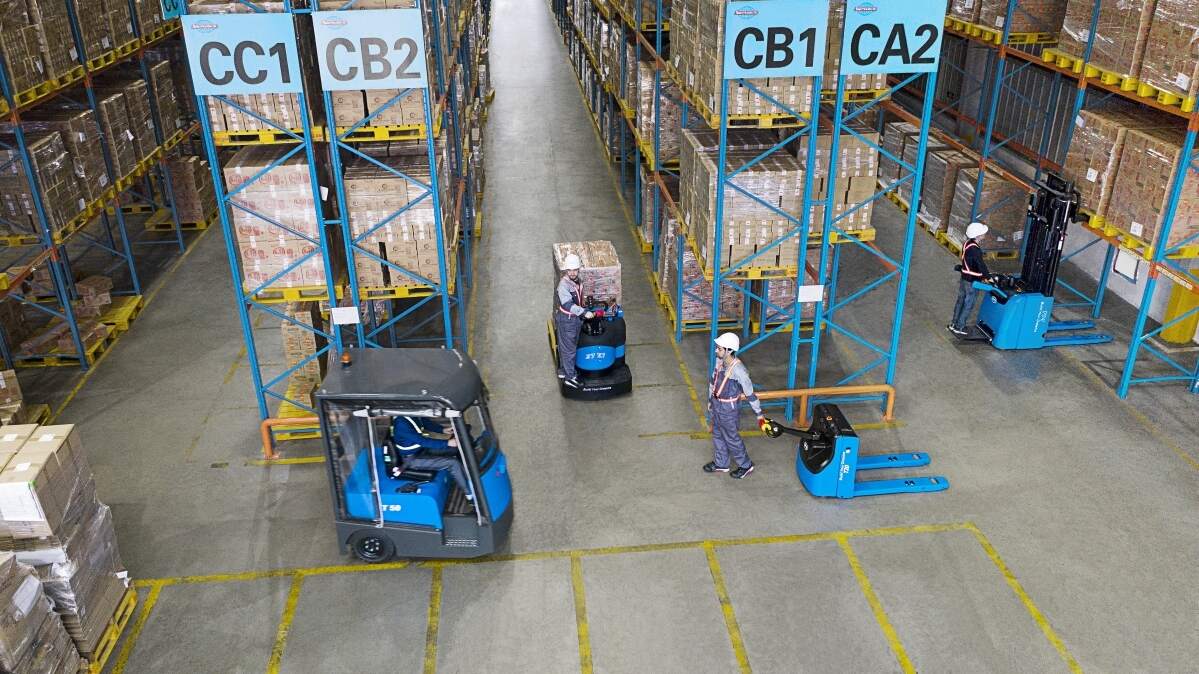
Differences in fuel forklift control policies in different regions
Eastern Seaboard: Strict elimination and new restrictions
Due to the clear environmental protection goals in some cities along the eastern coast, the control of fuel forklifts in the factory area is relatively strict, requiring the phasing out of fuel forklifts with national emission standards and below by 2025. New types of energy are required for new on-site forklifts, and enterprises are encouraged to complete the replacement of existing forklifts in advance.
Central Region: Emission Control and Modification Encouragement
Most regions in the central region focus on the emission control of existing fuel forklifts, requiring high-emission forklifts to be equipped with exhaust gas purification devices to ensure that emissions meet standards, while restricting non-compliant vehicles from entering closed factory areas for operation. For enterprises that actively replace electric forklifts, some regions provide certain policy subsidy support.
Northern Key Areas: Periodic Operation Restrictions
The key areas in the north are affected by the seasonal climate. During the severe pollution weather in winter, fuel forklifts are subject to phased control measures. Fuel forklifts with National III and below emission standards are prohibited from operating in the factory area, and enterprises are guided to prioritize the use of electric forklifts to complete daily tasks.
Electric forklift alternative compliance options
Model selection suitable for the scene
Select the appropriate type of electric forklift according to the operation scenario of the factory area. A counterbalanced electric forklift can be used in the warehouse area, and a forward-moving electric forklift is suitable for narrow channel operation to meet the operation requirements of different loads and spaces, ensuring that the operation efficiency is not affected after replacement.
On-demand charging facilities
According to the daily operation volume, the layout of charging facilities is planned, and the combination of fast charging and slow charging is adopted. Fast charging is used to supplement energy during operation intervals, and slow charging is used during non-operation hours at night to ensure battery life. At the same time, a battery replacement station is provided to solve the battery life requirements of continuous operation.
Management optimization for efficient operation and maintenance
Establish a daily inspection system for electric forklifts, regularly check batteries, power systems, and braking devices, and promptly check potential faults. Additionally, conduct operator training to standardize the use and maintenance of electric forklifts, reduce operation and maintenance costs, and prolong the service life of equipment.


