
 简体中文
简体中文 繁体中文
繁体中文 Deutsch
 日本語
日本語 한국어
한국어 Tiếng Việt
 Русский
 ไทย
ไทย Bahasa Indonesia
 Bahasa Melayu
 Filipino
 لالعربية
 Français

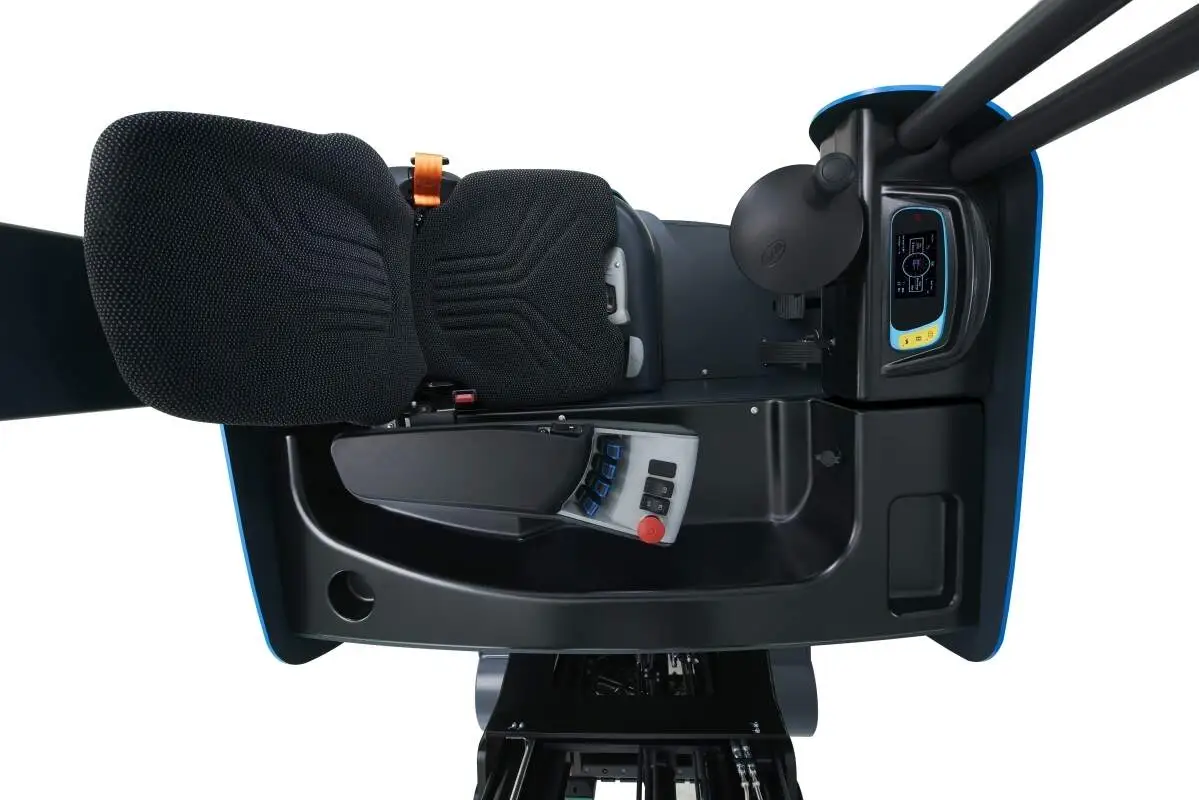
Forklift transformation needs under the construction of green factories
At present, the construction of green factories has become an important direction for the transformation of the manufacturing industry. As a core component of factory operations, the low-carbon transformation of production and logistics directly affects the creation of green factories. As a traditional logistics equipment, fuel forklifts are difficult to adapt to the environmental protection requirements of green factories in terms of emissions and energy consumption. Electric forklifts have become the core choice to replace fuel forklifts with multi-dimensional advantages.
Environmental protection and emission reduction, in line with the core standards of green factories
Compared with the exhaust gas, particulate matter and noise pollution generated by the operation of fuel forklifts, electric forklifts use electricity as the power source to achieve zero exhaust emissions during the operation process, which can effectively reduce the concentration of VOCs and pollutants in the factory area, in line with the environmental protection emission indicators of green factories. At the same time, the operation noise of electric forklifts is lower, which can significantly improve the working environment of the workshop, reduce the health impact on front-line employees, and help enterprises create a humanized green production scene.
Lifecycle cost optimization to reduce long-term operating burden
From the perspective of full life cycle cost, although the initial purchase cost of electric forklifts is slightly higher than that of fuel forklifts, the long-term operating cost advantage is obvious. On the one hand, the cost of electricity is much lower than that of fuel, and it is not affected by oil price fluctuations, which can stably control energy consumption. On the other hand, the structure of electric forklifts is relatively simple, without complicated engine maintenance, filter element replacement and other operations, the daily maintenance cost is lower, and the failure rate is relatively small, which can effectively reduce the loss caused by downtime maintenance.
Multi-scene adaptation to enhance workshop flexibility
Electric forklifts have a wider range of adaptability to operation scenarios, especially in closed workshops, food and medicine production workshops, warehousing cold storage and other scenes with high environmental requirements. The characteristics of zero emissions and low noise enable them to carry out operations smoothly and avoid affecting product quality or the environment. In addition, electric forklifts are lightweight in operation and fast in response, which can improve material handling efficiency and adapt to the diverse logistics operation needs within the factory.
Operation and maintenance management is more convenient to ensure stable logistics efficiency
The operation and maintenance management of electric forklifts is more convenient, and battery charging can be carried out during the low electricity price period in the factory area, which reduces energy consumption costs without affecting normal operations. With the continuous improvement of charging facilities, the popularity of fast charging and power exchange modes has also solved the battery life concerns of electric forklifts and ensured the continuity of logistics operations. At the same time, the fault investigation of electric forklifts is simpler and the maintenance cycle is short, which can effectively reduce the risk of stagnation in the logistics link.
Replacing fuel-powered forklifts with electric forklifts is not only a necessary measure for the construction of green factories, but also brings long-term operational benefits to enterprises, helping them achieve double improvement in environmental protection and efficiency, and promoting sustainable development of the manufacturing industry.


