
 简体中文
简体中文 繁体中文
繁体中文 Deutsch
 日本語
日本語 한국어
한국어 Tiếng Việt
 Русский
 ไทย
ไทย Bahasa Indonesia
 Bahasa Melayu
 Filipino
 لالعربية
 Français

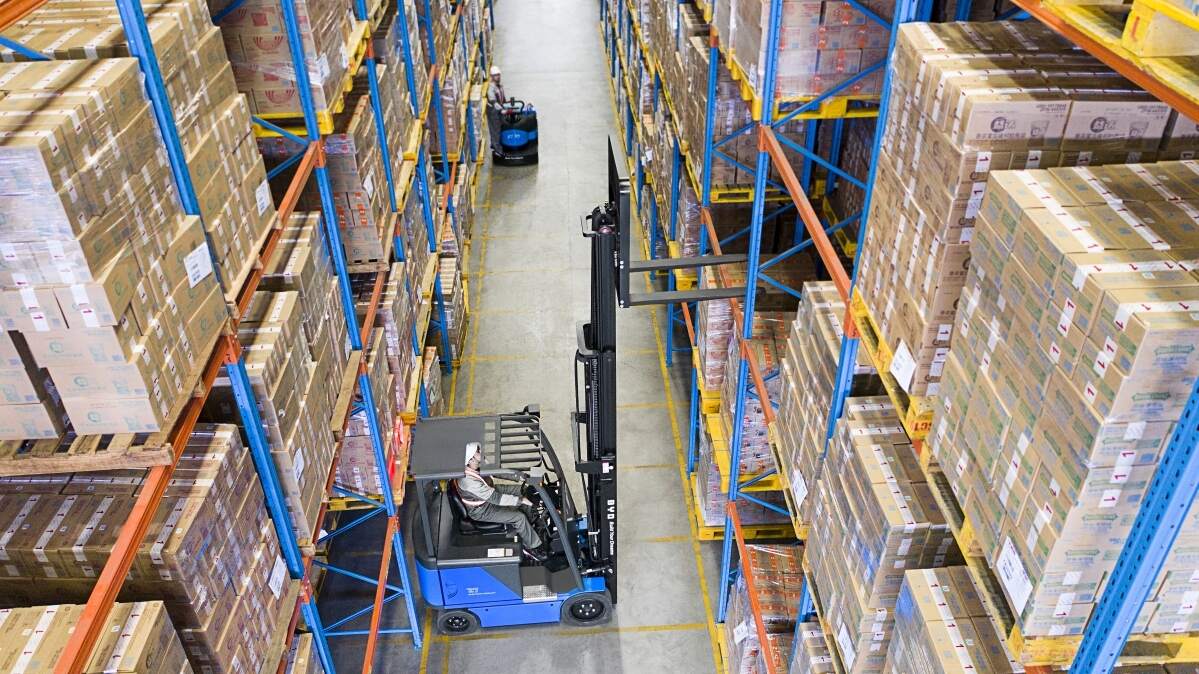
In factory logistics operations, forklifts are indispensable equipment, and regular security inspections and annual inspections are key links to ensure equipment compliance and prevent safety accidents. Due to the essential difference in the power principle of internal combustion forklifts and electric forklifts, there are also obvious differences in the specific requirements of security inspections and annual inspections. Relevant managers need to clarify these differences to ensure that the equipment meets the specifications.
Differences in power system inspection requirements
Internal combustion forklifts are powered by fuel. During security inspections and annual inspections, it is necessary to focus on checking the working conditions of the engine, including the oil level and quality, whether there is leakage in the fuel pipeline, and whether the ignition performance of the spark plug is normal. At the same time, it is necessary to confirm that there is no abnormal noise or jitter when the engine is running. The annual inspection process will also check the cleanliness of the fuel filter and air filter to avoid affecting the power output due to the accumulation of impurities. Electric forklifts rely on batteries and motors to drive, and the inspection focuses on the battery system, including the insulation performance of the battery pack, whether the voltage is stable, whether the battery shell is damaged and leaking liquid. At the same time, it is necessary to check the operating temperature of the motor, whether there is abnormal noise, whether the contact of the charging interface is good, whether there is aging damage, and ensure the safe and reliable
Environmental indicators verification discrepancies
Internal combustion forklifts will produce exhaust gas due to fuel combustion. During the annual inspection, it is necessary to strictly test the exhaust gas emission indicators to ensure that they meet the pollutant emission standards stipulated by the local environmental protection department. During the daily security inspection, attention should also be paid to fuel leakage to prevent fuel from dripping and polluting the ground of the factory area. Although electric forklifts have no exhaust emissions, the focus of environmental protection verification shifts to the compliance management of batteries, including whether waste batteries are stored according to specifications, whether they are discarded at will, and whether the charging area is equipped with fire and explosion-proof facilities to avoid battery overheating causing safety or environmental protection problems.
Safety Device Detection Difference
The safety device testing of the two types of forklifts has some commonalities, such as checking the sensitivity of the braking system, the integrity of the lights and warning devices, and the degree of wear of the fork. But there are also differences: internal combustion forklifts need to focus on checking whether the exhaust pipe fire cover is intact and effective to prevent high-temperature exhaust from causing fires; electric forklifts need to check whether the leakage protection device is running normally, and whether the emergency power switch can quickly cut off the power supply to avoid electric shock or equipment loss due to electrical failure.
Annual inspection cycle and key focus differences
In some areas, the annual inspection cycle for internal combustion forklifts is set more tightly according to the characteristics of the equipment, because the loss rate of the fuel power system is relatively fast, and the annual inspection focuses on the stability of the power system and the compliance of exhaust emissions. The annual inspection cycle of electric forklifts may be adjusted according to the service life of the battery, focusing on the degree of battery performance attenuation and the safety of the electrical system to ensure that the battery will not fail suddenly during the service life.
Understanding the differences in the requirements of internal combustion forklifts and electric forklifts in the annual security inspection will help enterprises to carry out targeted equipment maintenance and inspection work, not only to ensure the safety of equipment operation, but also to ensure compliance with various compliance requirements, and to build a safe line of defense for factory logistics operations.


