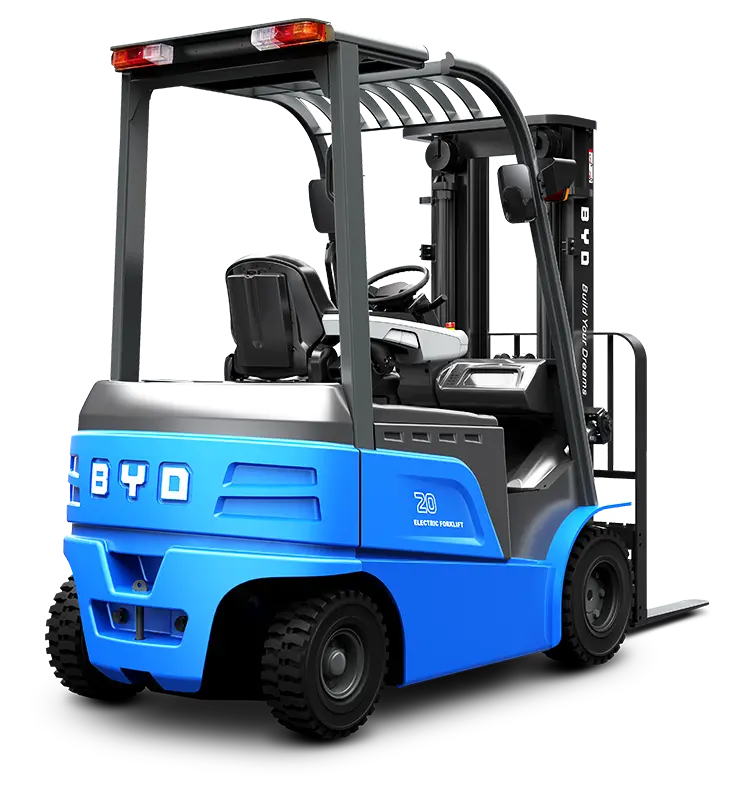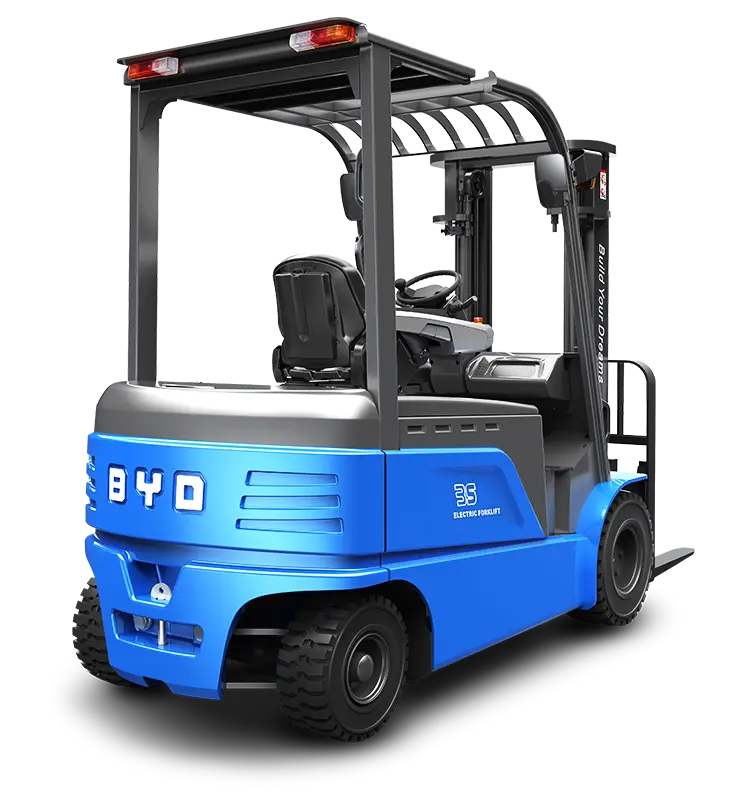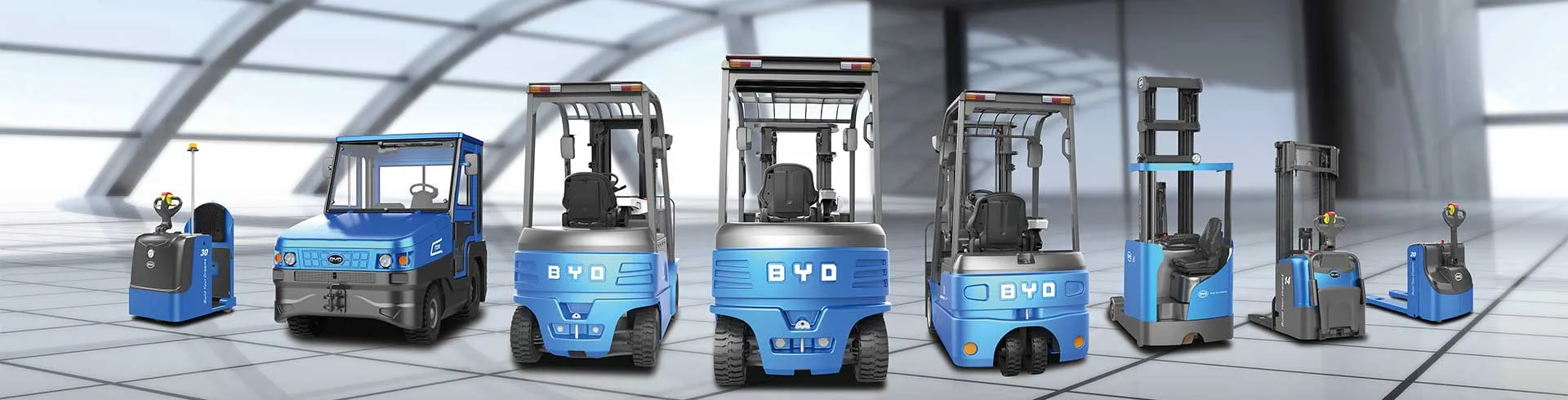
Many people who are new to the warehousing, logistics and manufacturing material handling industry often confuse the concepts of forklift and hilo, and even directly equate the two types of handling equipment, which leads to wrong selection in actual procurement work, increases unnecessary operation and maintenance costs, and affects the overall operation efficiency of the site.
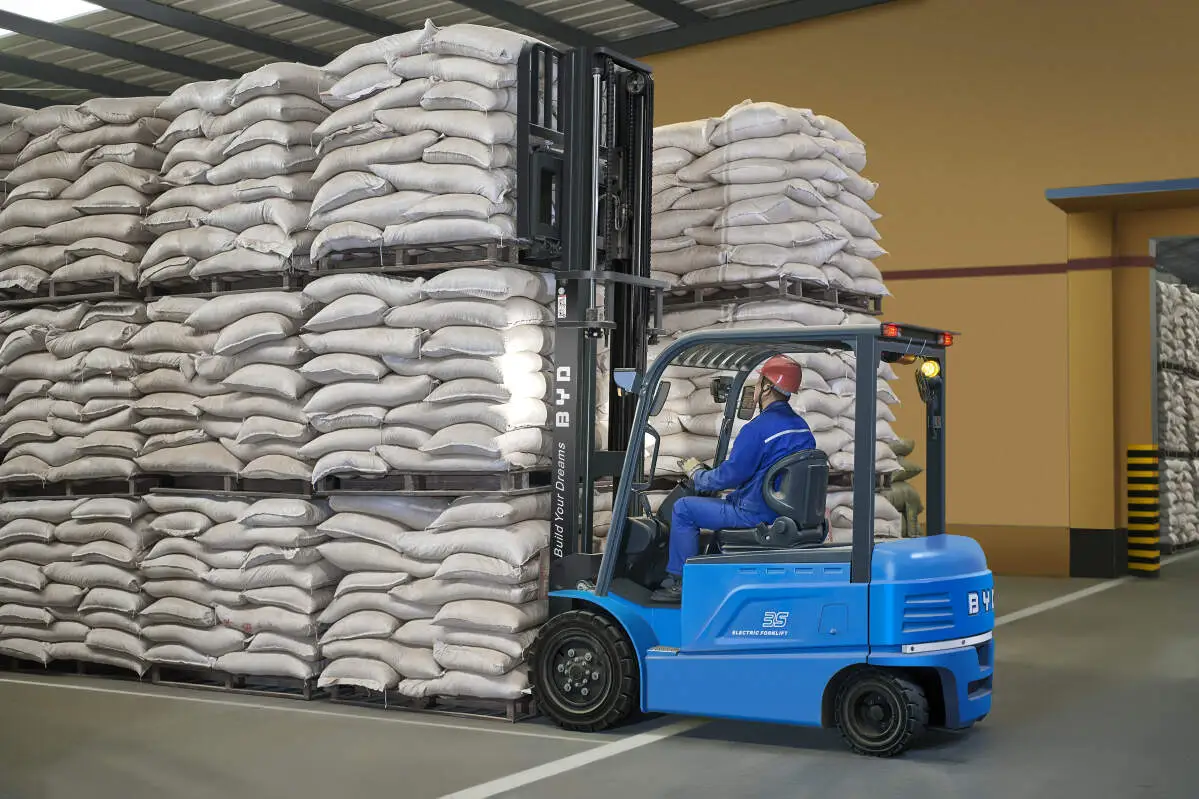
From the perspective of industry common usage habits, hilo is a colloquial name for compact light-duty lifting handling equipment in some regional application scenarios, which is mostly used to deal with lightweight picking and short-distance transfer operations in small storage spaces. The standard forklift covers a much wider range of application scenarios, with more abundant load capacity configuration and lifting height options, which can meet the diversified handling needs of different types of sites.
There are clear practical differences between the two types of equipment that cannot be ignored. First, the load bearing range is different: the colloquially called hilo is mostly designed for scenes with load below 1 ton, and the maximum lifting height is usually no more than 3 meters, which is only suitable for light operation scenes. The conventional forklift can cover the load range from 1 ton to more than 10 tons, and the maximum lifting height can reach more than 10 meters, which can meet the heavy load stacking, high shelf storage, outdoor material transfer and other needs. Second, the applicable site conditions are different: the hilo is only suitable for flat and smooth indoor floors, while the regular electric forklift can adapt to different ground conditions such as slightly uneven hard pavement and slope passages.
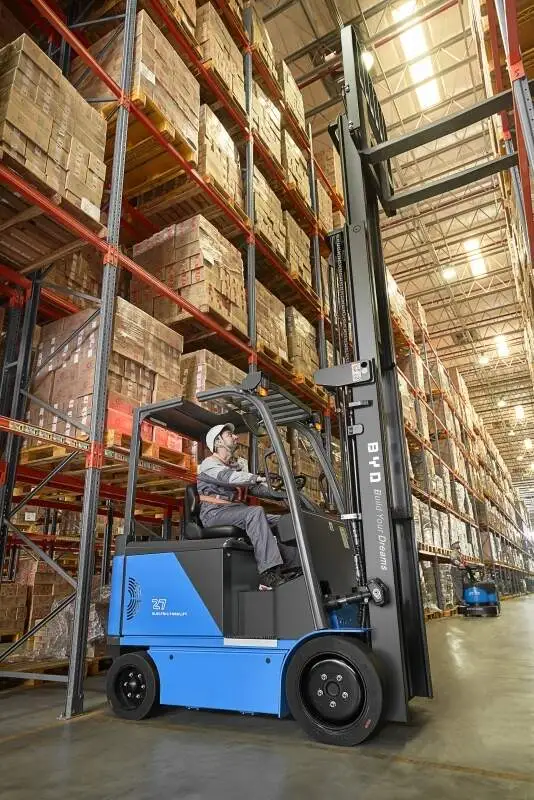
As a professional operator focusing on new energy material handling equipment, Jianshu New Energy specializes in BYD electric forklifts, and can provide users with targeted selection suggestions according to their actual operation parameters, including daily average handling weight, operation channel width, required maximum lifting height, daily working duration and other core indicators. We will never recommend equipment beyond the actual demand to increase the user's procurement cost, nor will we guide users to choose equipment that cannot cover the operation demand.
Before purchasing handling equipment, it is recommended that all site managers sort out their own actual operation demands first, and fully communicate with professional equipment suppliers, so as to avoid the loss caused by confusing forklift and hilo functions, and select the most suitable handling equipment for their own site.