For professionals working in warehousing, manufacturing, and logistics sectors, clarifying the class 1 forklift definition is far more than a trivial classification task, it directly relates to the selection of appropriate material handling equipment that matches actual operation scenarios, compliance requirements and long-term operation cost planning.
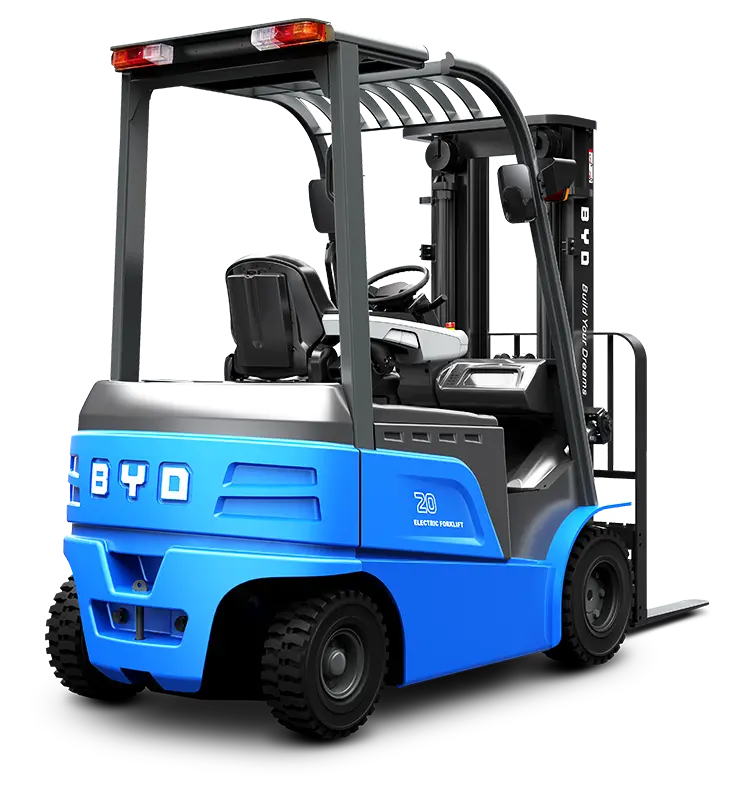
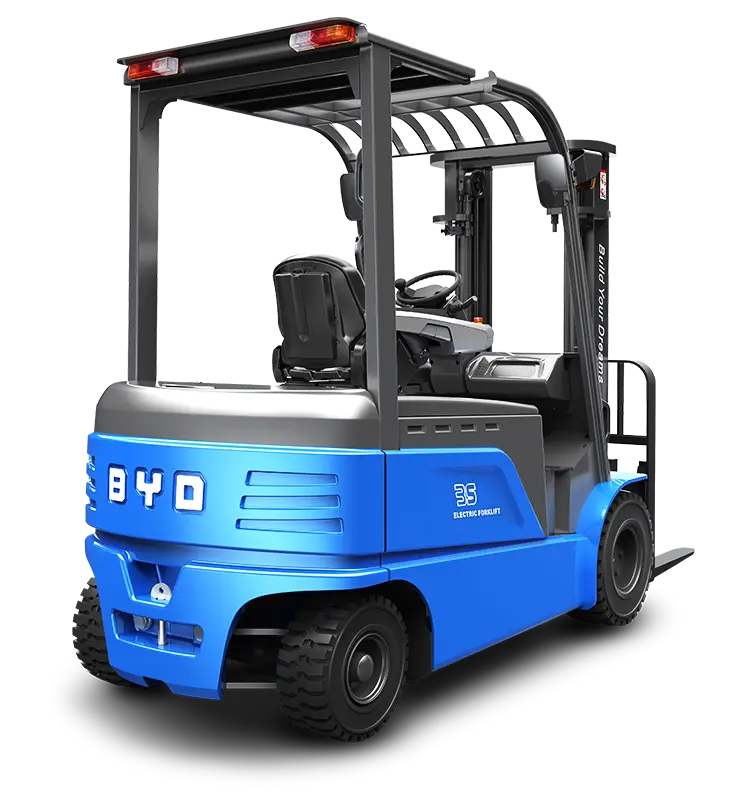
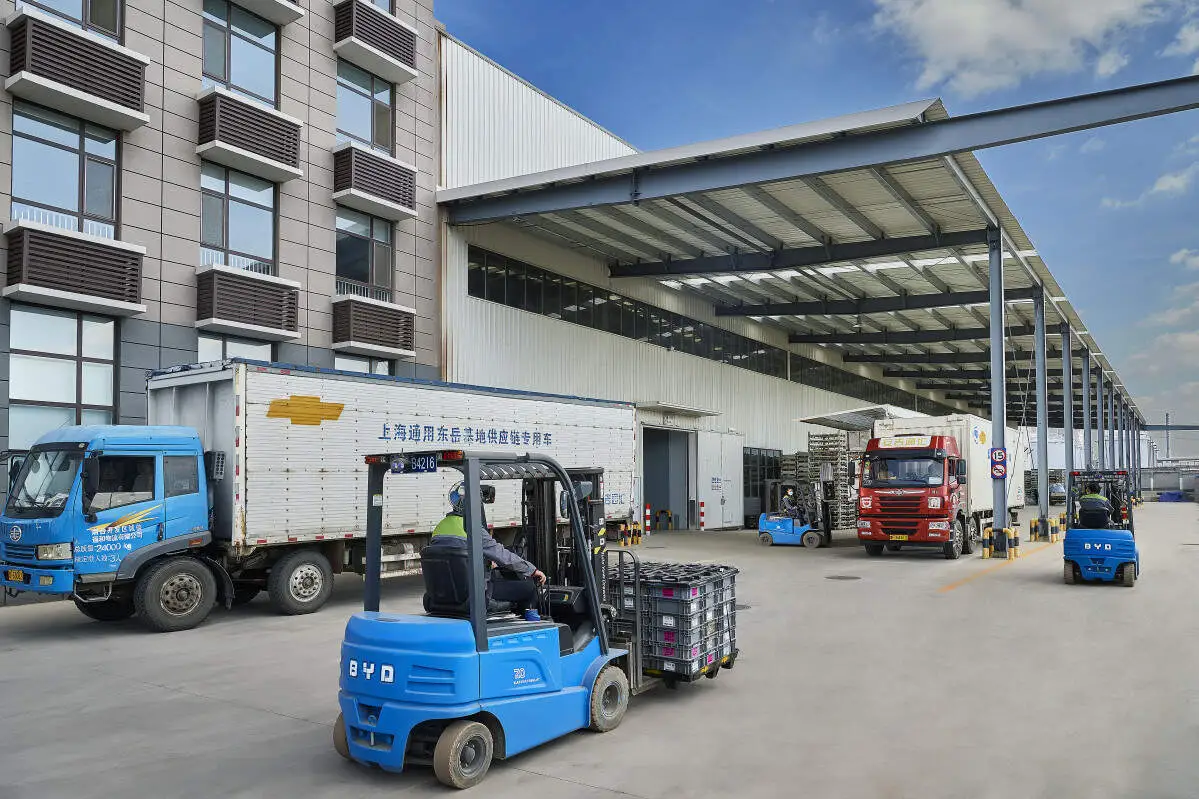
Class 1 forklifts refer to electric motor-rider counterbalanced lift trucks, powered by industrial battery packs, designed to carry out indoor and low-emission demand outdoor operation tasks, featuring no exhaust emission, stable operation noise, and suitable for most standard pallet handling, high-position stacking and short-distance material transfer work. Many frontline operation teams often overlook the significance of clarifying this definition, and take it as a useless regulatory label that has no practical guidance for daily work.
In fact, mastering the clear definition attributes helps operation teams make accurate equipment matching decisions. Many teams used to confuse Class 1 forklifts with other types of indoor handling equipment, which may lead to mismatched load capacity, insufficient lifting height or exceeding site emission limit rules. When operators fully understand the core parameters and applicable boundary of Class 1 forklifts, they can arrange equipment allocation more reasonably, avoid unnecessary operation risk and equipment idle waste.
As the global low-carbon operation requirement for industrial sites keeps rising, the energy efficiency advantage that belongs to the core attribute of Class 1 forklifts is being valued by more operation managers. Different from internal combustion forklifts, the electric-driven structure of Class 1 forklifts can meet the strict air quality requirements of closed indoor workplaces, and the later operation and maintenance cost is relatively controllable, which can bring stable operation output for long-term continuous use scenarios.
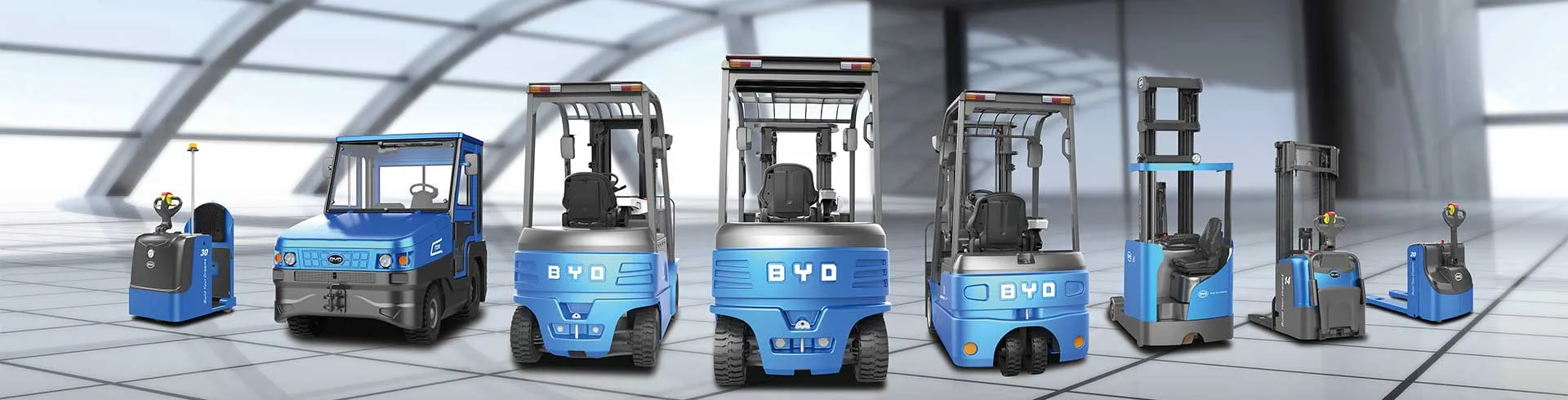
As a professional new energy industrial vehicle service provider, Jian Shu New Energy specializes in BYD electric forklift supply and supporting services, all the products we provide conform to the standard definition scope of Class 1 forklifts, with complete operation parameter certification, which can be adapted to most of the daily material handling demands of industrial and commercial sites. We also provide targeted operation training and regular maintenance guidance for users, help teams master the use rules of Class 1 forklifts faster, give full play to the equipment’s working performance in daily operation.
Paying attention to the class 1 forklift definition is not only to complete the basic classification cognition, but also to lay a solid foundation for the construction of a more efficient, low-carbon and compliant material handling system. For enterprises that are planning to update their handling equipment or optimize on-site operation process, sorting out the attribute boundary of Class 1 forklifts first will help them avoid detours in equipment selection, and obtain stable expected return in subsequent long-term operation.