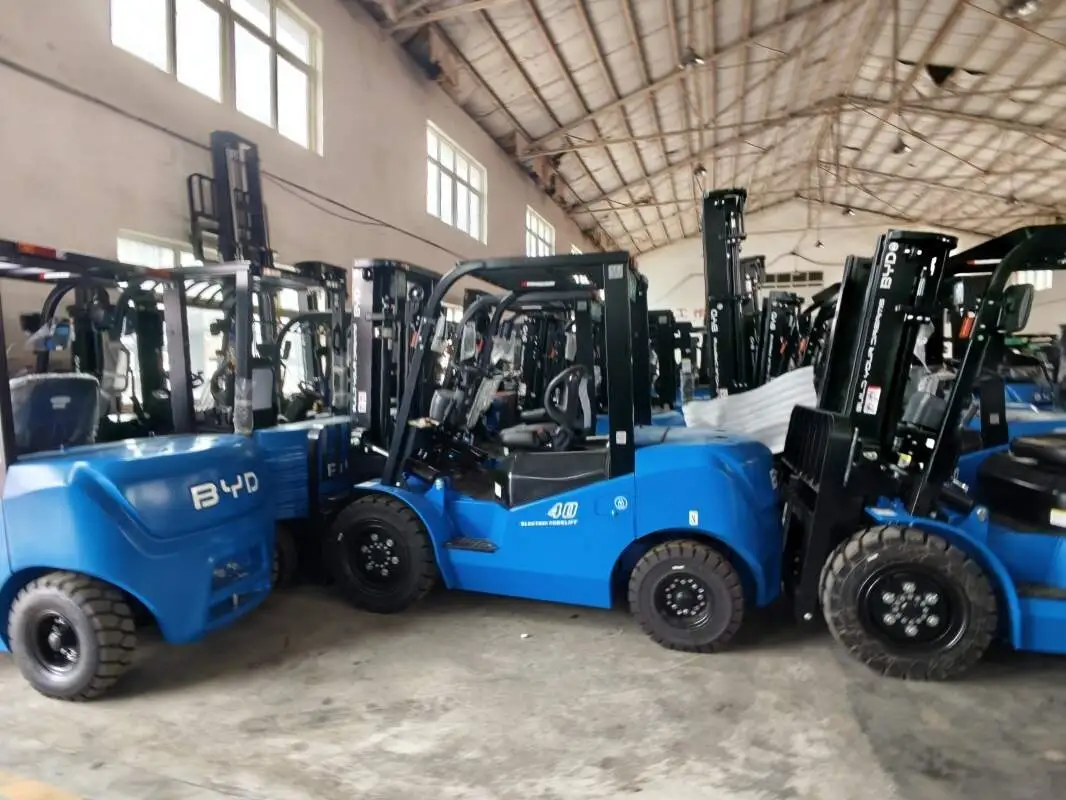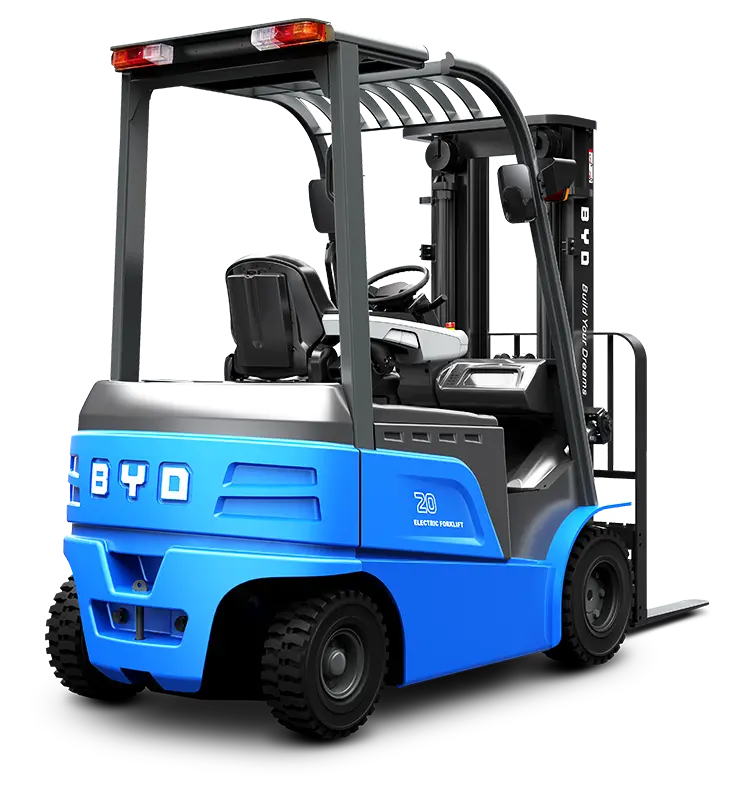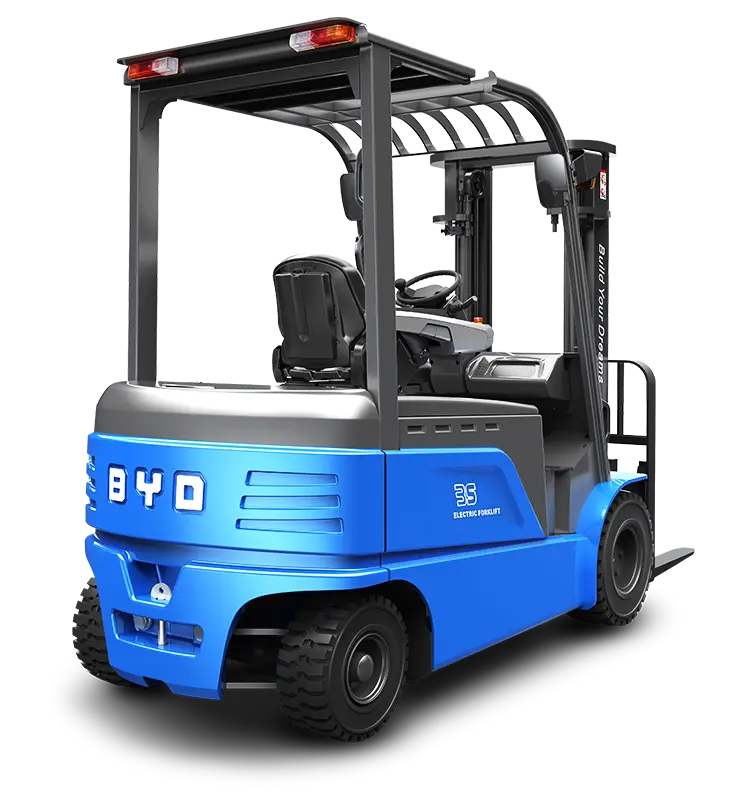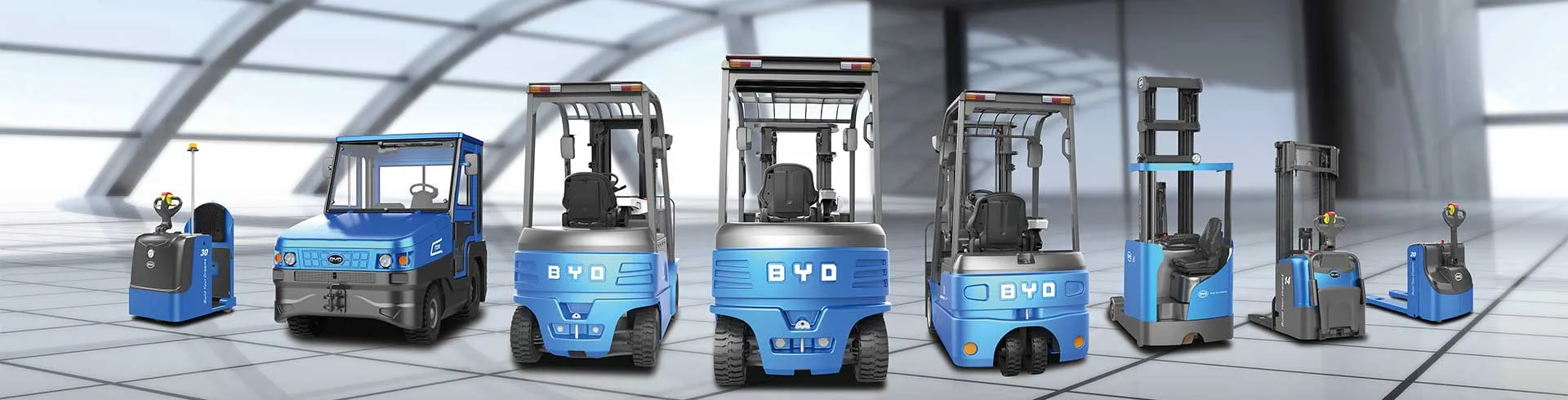
Counterbalance forklift is one of the most widely applied material handling equipment in modern warehouses, manufacturing sites and distribution centers. It relies on the unique counterweight design at the rear of the body to offset the load weight carried by front forks, ensuring stable operation in the process of high-position stacking, cargo loading and unloading, and short-distance transshipment. The first core consideration during selection is to confirm the actual load capacity and maximum lifting demand. Users should not only refer to the nominal rated load parameter on the specification sheet, but also combine the actual average weight of frequently handled goods, the maximum required lifting height, and the corresponding load center offset distance, to avoid potential overload risk and make the selected model fully match the daily operation demands.
The second key point is to match the forklift performance with actual operation scenarios. For closed indoor working scenarios that have strict requirements for environmental protection, noise control and zero emission, the electric counterbalance forklift is a more appropriate choice, it will not produce exhaust pollution during operation, has low running noise, and can also adapt to narrow channel operation after proper model parameter matching. For outdoor working scenarios with uneven road surface, users need to confirm the forklift's ground clearance, tire type adaptability and electrical component waterproof rating, to make sure the device can run stably in different complex environments.
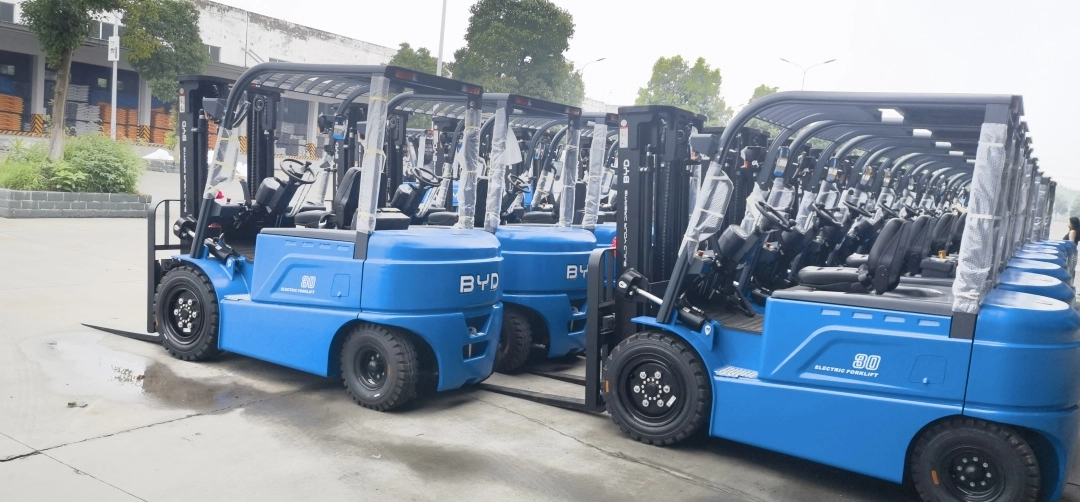
Then you need to evaluate the long-term operation cost and energy efficiency performance. Compared with traditional internal combustion counterbalance forklifts, electric models have lower daily maintenance cost, there is no need to carry out frequent maintenance for engine related components, and the energy consumption cost per unit of operation is far lower than traditional fuel cost. We are Jian Shu New Energy, specializing in supplying BYD electric forklifts, to provide customers with stable, low energy consumption material handling operation solutions.
The last consideration is to check the supporting service system of the supplier. You need to confirm that the supplier can provide timely on-site after-sales response, regular maintenance reminder, and sufficient spare parts reserve, to minimize possible downtime of the forklift in actual operation, and avoid affecting the normal operation of the entire logistics link. You can finally combine your actual budget and long-term operation planning to select the most suitable counterbalance forklift model, to maximize the input-output benefit of your material handling work.