forklift operation is a profession with extremely high safety management requirements, and selecting a qualified forklift operator school is the core premise to master standardized practical skills and obtain legally valid operation qualification. Many individual practitioners and enterprise logistics managers often face information asymmetry when screening training institutions, and the following key considerations can help you make a rational and suitable choice.
First of all, you need to verify the official valid qualification of the training institution in advance. A formal forklift operator school must hold corresponding teaching operation qualification issued by the local regulatory authority, and all full-time teaching instructors need to hold professional operation instructor qualification certificates matching the teaching content. You can ask the institution to show the latest valid qualification documents before confirming registration, and avoid selecting unlicensed informal training points that cannot provide officially recognized certification after the course.
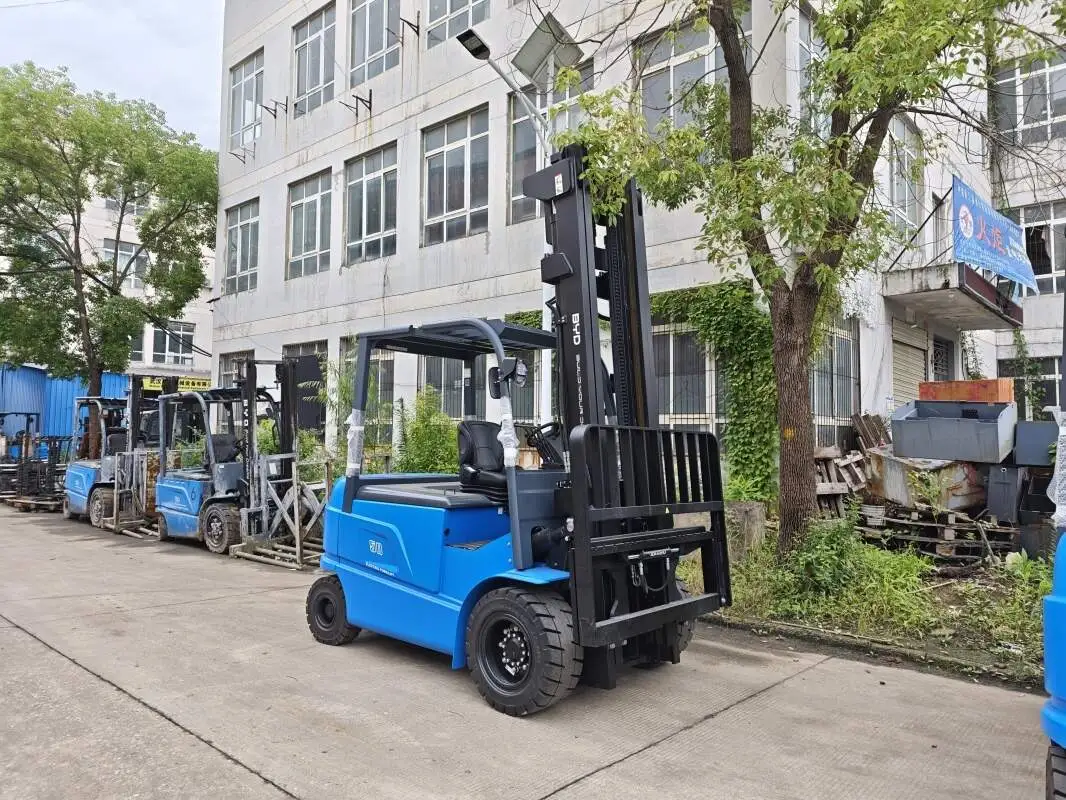
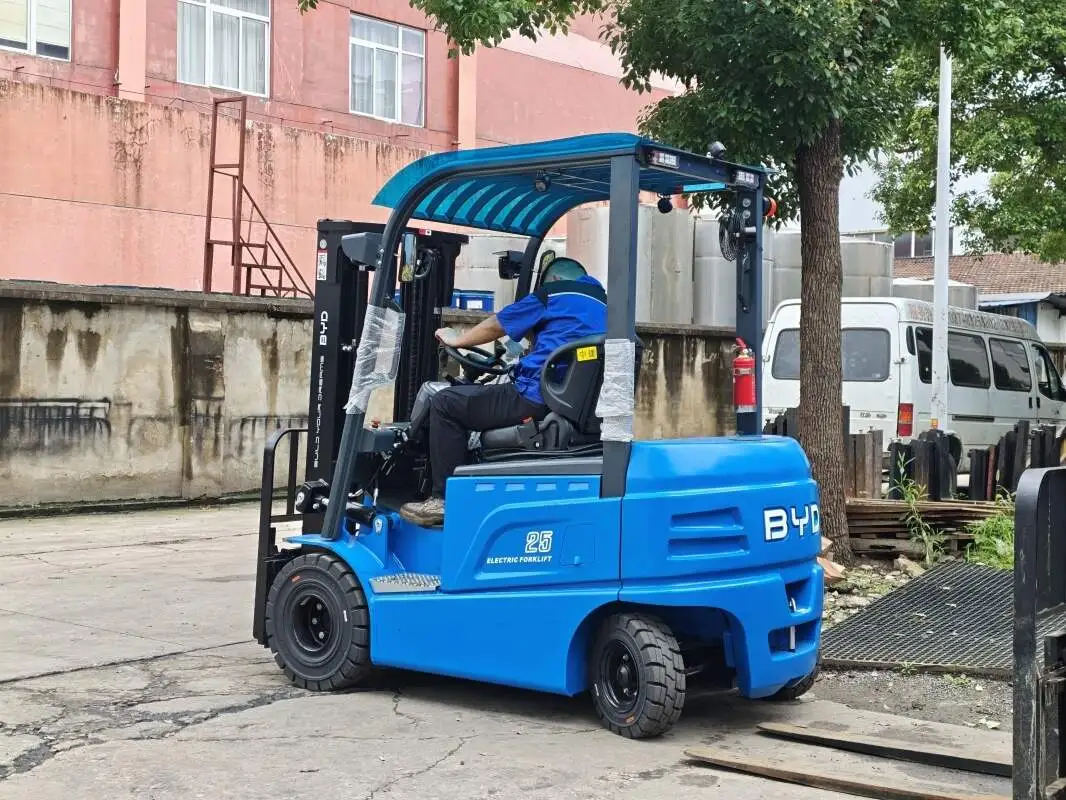
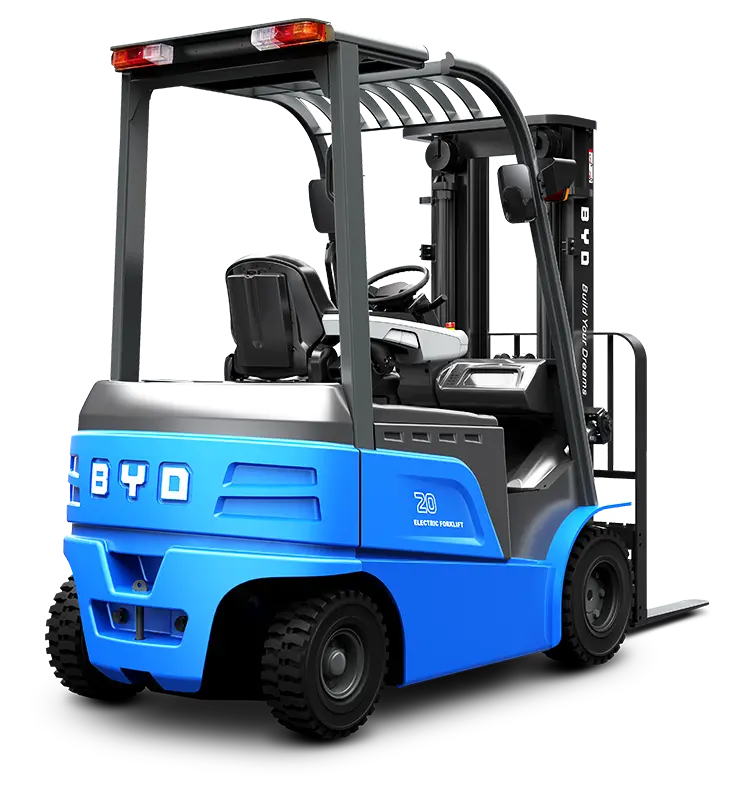
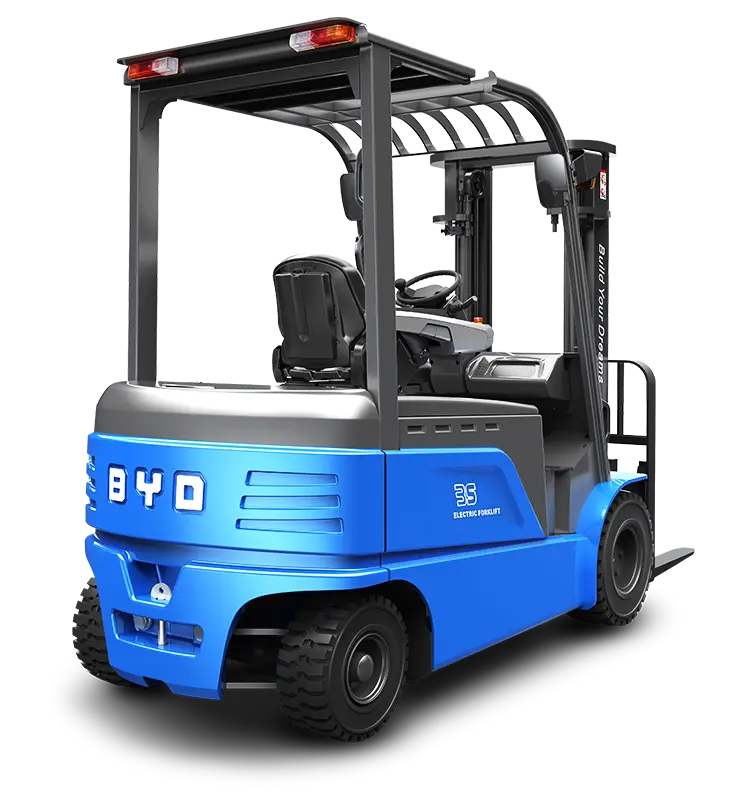
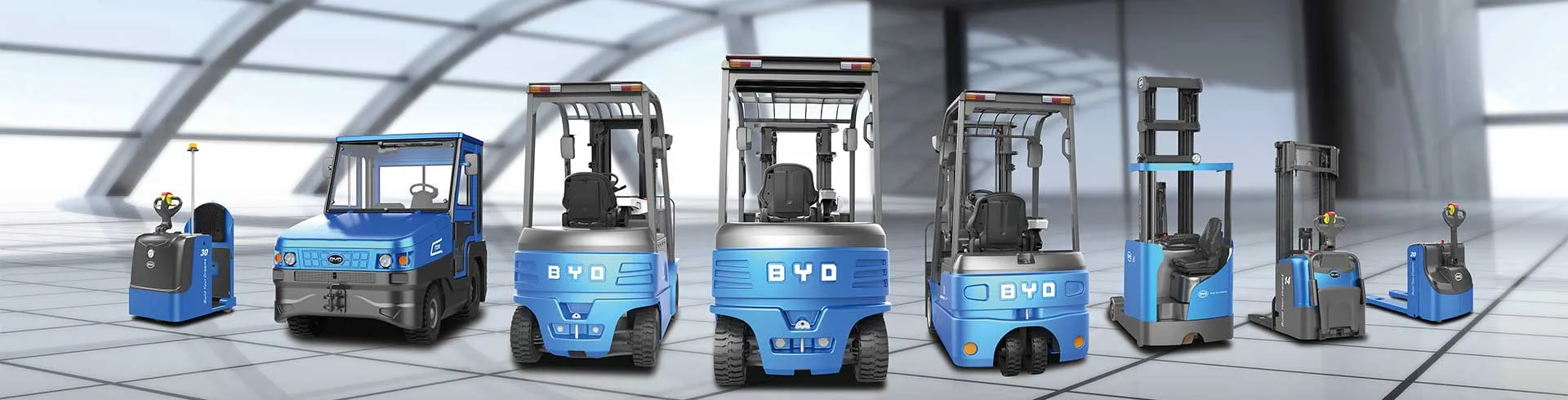
Secondly, it is necessary to check the matching degree between the course system and your actual job demand. In the past, most forklift training courses were designed for fuel internal combustion forklifts, but at present, new energy electric forklifts have become the mainstream handling equipment in most manufacturing, warehousing and logistics scenarios. A high-quality training institution needs to set up targeted special modules for the unique operation characteristics of electric forklifts, covering power battery daily maintenance, low-noise environment operation specifications, energy efficiency management and other exclusive contents that are not involved in traditional fuel forklift training. As a professional new energy forklift service provider, Jianshu New Energy, which specializes in pure electric forklift products, also cooperates with a number of formal qualified training institutions to develop targeted electric forklift operation guidance content, helping trainees master practical skills that better match the actual work scenarios of current enterprises.
Thirdly, you need to evaluate the proportion of practical operation sessions in the whole course. Standardized forklift operation training cannot take theoretical indoctrination as the main part, and the practical operation link should account for no less than 60% of the total class hours, covering conventional scenes such as high and low goods stacking, narrow passage turning, slope stable parking, heavy load stable handling and so on. You can visit the training site in advance to check the quantity, operation condition of training equipment and on-site teaching management specifications, so as to ensure that you can get enough independent hands-on exercise opportunities during the course.
Finally, confirm the follow-up supporting services after the course. Regular forklift operator schools will provide a certain number of free knowledge review opportunities after trainees obtain the operation certificate, as well as regular updated training of safety operation specifications, to help operators keep up with the latest industry management requirements and new type equipment operation essentials. For enterprise users who arrange group training for their front-line employees, you can also confirm in advance whether the institution can provide on-site customized training services according to the actual equipment configuration of the factory, so as to reduce the scheduling cost of employees.
Generally speaking, choosing a suitable forklift operator school is not only related to whether you can obtain valid operation qualification efficiently, but also closely related to the operation safety guarantee in your future daily work. It is suggested that you make a comprehensive comparison according to the above dimensions, and select the training institution that best matches your own actual demand.