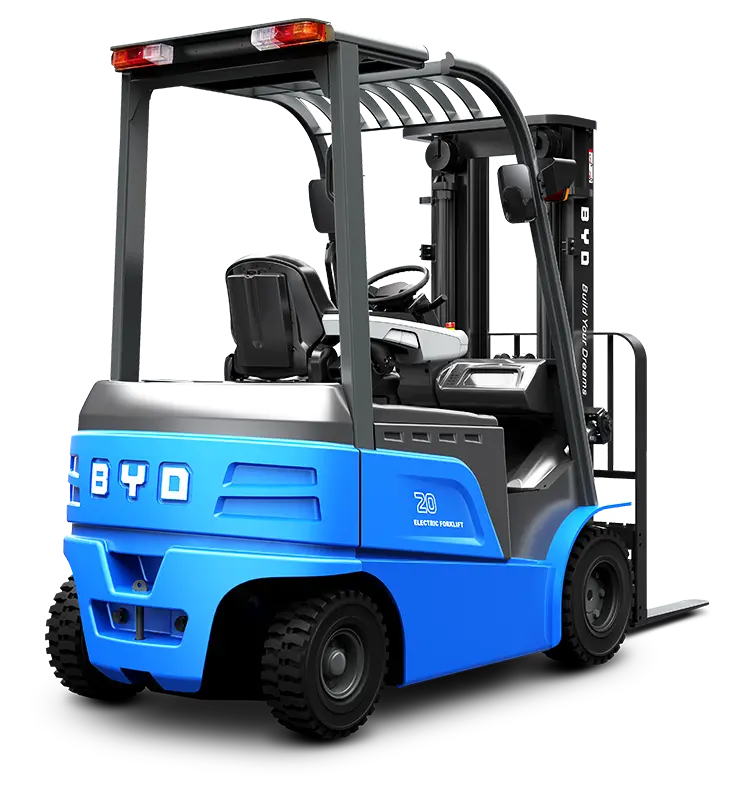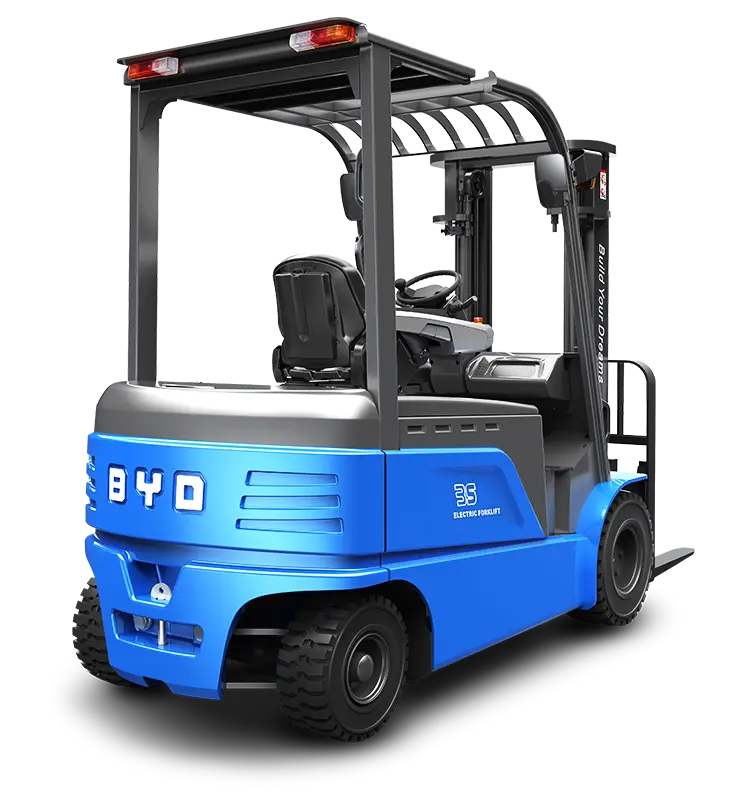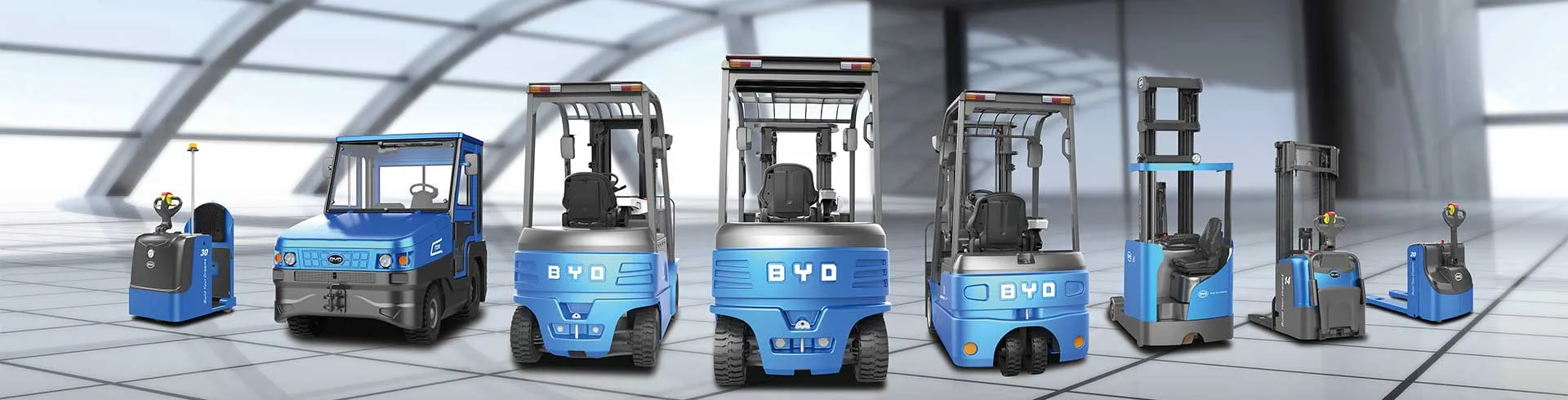
When enterprise fleet purchasers, warehouse operation managers and individual forklift operators make electric forklift procurement decisions, they often pay much attention to load capacity, battery life and lifting height, while easily ignoring the importance of rear-end steering system. As the core functional component that directly controls the driving direction of the forklift, the performance and matching degree of the rear-end steering system will affect the daily operation flexibility, driving safety, long-term maintenance cost and overall using experience of the equipment. Choosing the unsuitable rear-end steering configuration will not only reduce the operation efficiency, but also may bring extra unnecessary wear of related parts, raising the comprehensive operating cost of the fleet.
The first key consideration is the actual operation space condition of your working scenario. For the users who work in narrow aisle dense storage warehouse, the rear-end steering structure that supports smaller turning radius will greatly improve the pallet handling efficiency in the limited space, and reduce the collision risk with surrounding shelves and goods. For the users who mainly work in open outdoor loading and unloading zones or heavy material stacking yards, the rear-end steering configuration with higher structural stability and stronger load resistance can better adapt to the complex road conditions, ensuring smooth steering operation even under full load state.
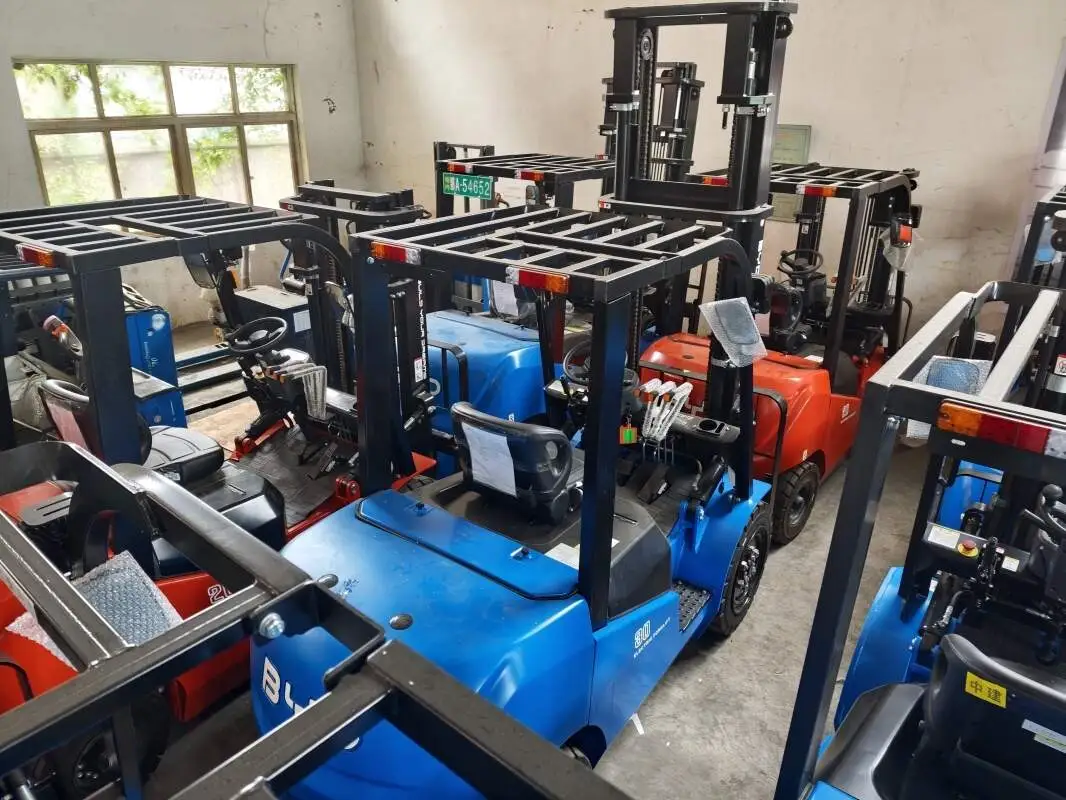
The second key consideration is the conventional load range of your daily operation. Different rear-end steering products have their own matched applicable load interval, users should select the corresponding steering specification according to the maximum load weight that appears in more than 80% of your daily operation, instead of blindly matching according to the maximum load of occasional special tasks. This matching method can effectively slow down the wear speed of steering related components, extend the service life of the steering system, and reduce the frequency of later maintenance.
The third key consideration is the operation habit and skill level of your on-site operators. Different rear-end steering systems have different damping adjustment on the operation handle. The configuration with mild response damping is more friendly to new forklift operators, which can effectively reduce the probability of misoperation. For the operation teams composed of skilled senior operators, the steering configuration with more sensitive response can further improve the overall operation rhythm.
As a professional service provider specializing in BYD electric forklifts, Jianshu New Energy can provide users with targeted rear-end steering configuration matching suggestions based on the actual survey of user’s on-site operation conditions, to help users avoid the situation of mismatched steering selection. In addition, users are also suggested to take the later maintenance convenience of the steering system into account during the selection process, to ensure the stable supply of follow-up spare parts, and reduce the waiting time for troubleshooting.
Generally speaking, there is no universal rear-end steering configuration that fits all forklift use scenarios, the most suitable one is the configuration that highly matches your own operation conditions. Making decision with comprehensive reference of the above key considerations can help you give full play to the performance advantages of electric forklift, and create higher value for daily material handling work.