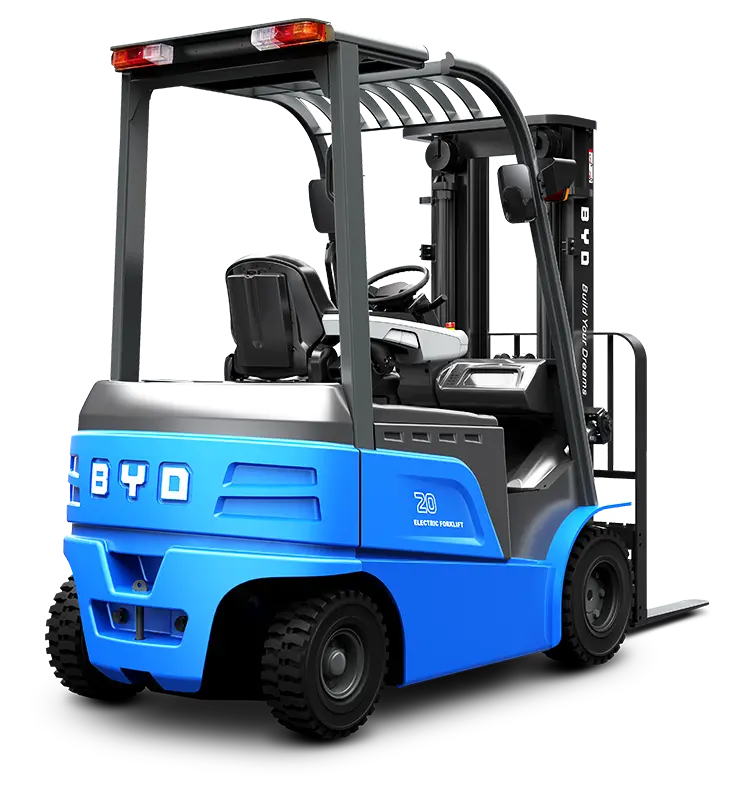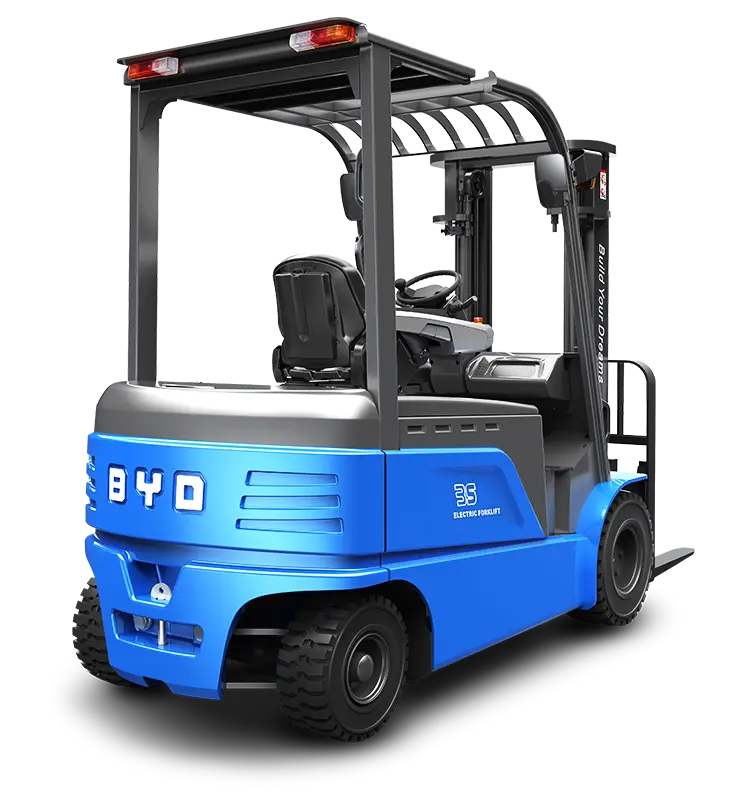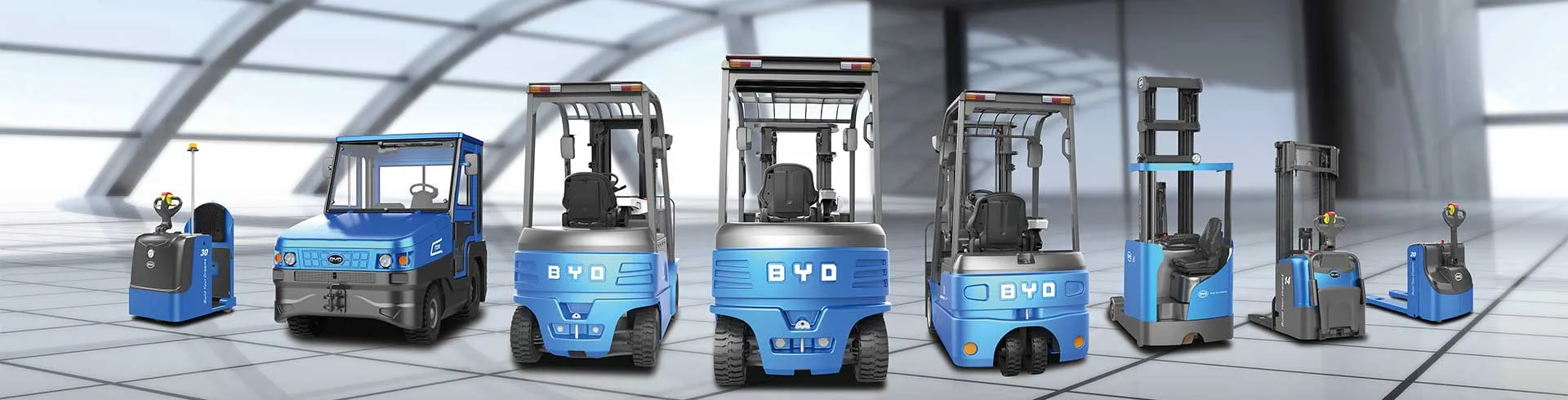
Forklifts are core industrial handling equipment widely used in warehousing, manufacturing, port logistics and other scenarios. Improper operation and non-standard management of forklifts may easily lead to workplace collisions, cargo falling, personnel injuries and other safety accidents. The Occupational Safety and Health Administration (OSHA) has issued a series of clear, enforceable safety standards for forklift related activities, to standardize the whole process of forklift personnel management, vehicle use and workplace safety control.
First, the core regulation of OSHA standards for forklift focuses on operator qualification certification. It clearly stipulates that no personnel can operate a forklift without completing formal targeted training. The training system includes theoretical knowledge learning covering risk identification, load limit rules, vehicle performance characteristics, emergency response measures, as well as practical operation assessment to verify the actual operation ability of trainees. Every forklift operator needs to accept a re-evaluation every 3 years to maintain operation qualification, and additional targeted training is required if the operator switches to a new type of forklift, or is involved in a safety accident related to improper operation.
Second, OSHA sets clear mandatory rules for daily forklift operation. Operators must not exceed the rated load of the forklift for handling operation, and it is forbidden to lift personnel directly by forks, and special approved safety work platform must be adopted if personnel need to work at height with the help of forklifts. The driving speed should be controlled reasonably according to the site condition, and operators need to honk to give a reminder at corners, aisle intersections and areas with poor visibility. When driving on ramps, operators need to keep the load facing upward, and sharp turns on ramps are strictly prohibited.
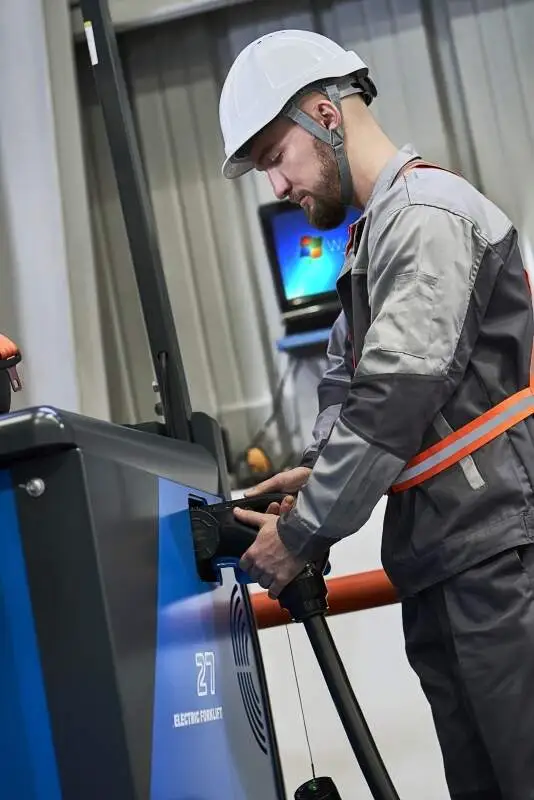
Third, regular inspection and maintenance is a required part in OSHA forklift standards. Enterprises need to arrange special personnel to conduct full inspection of every forklift before each shift, covering brake system, steering device, warning lights, sound horn, hydraulic pipeline, battery operation status and other key components. Once any hidden trouble is found, the forklift should be marked as out of use immediately, and can not be put into operation again until it is repaired by professional technicians. For electric forklifts, battery charging and replacement operations must be completed in designated well-ventilated areas to avoid safety hazards such as overheating and electrolyte leakage.
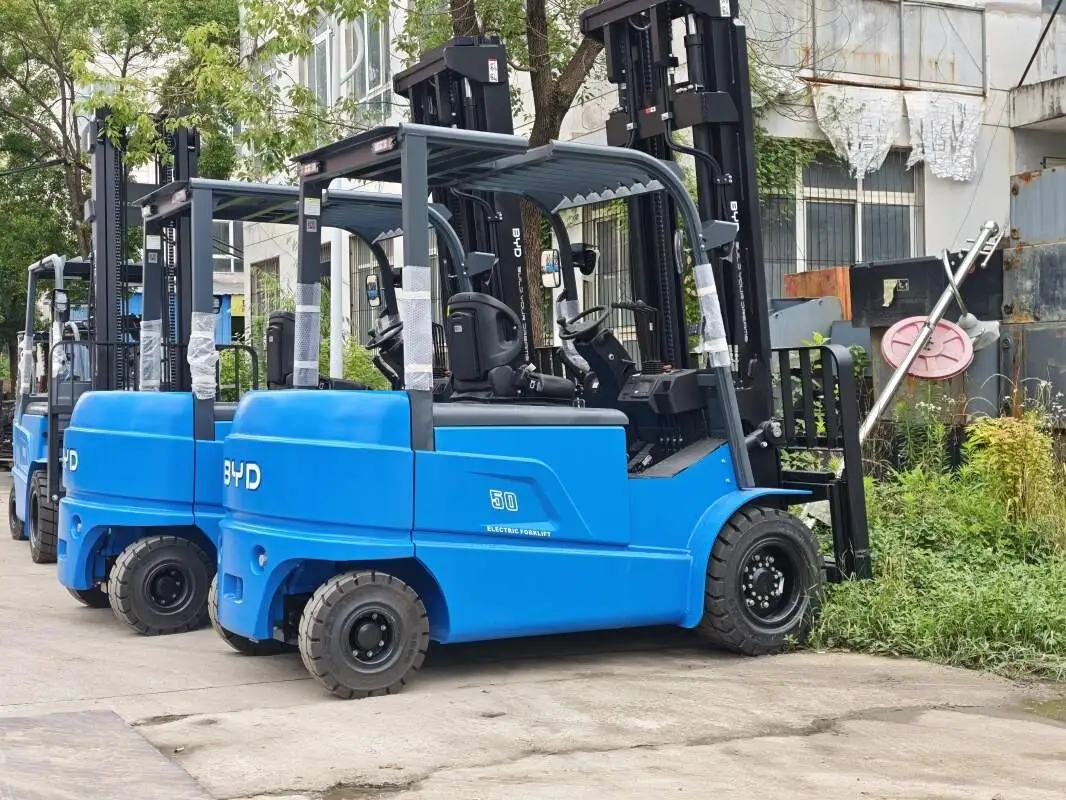
As a professional new energy industrial vehicle service provider, Jianshu New Energy specializes in supplying qualified BYD electric forklifts, all models are designed with safety performance that fully matches relevant standard requirements, helping enterprises better meet OSHA forklift safety specifications and build a more stable safe operation environment for frontline workers. Strict implementation of OSHA forklift standards can effectively reduce the incidence of work-related accidents, protect the personal safety of operators, and ensure the smooth progress of daily production and logistics handling work.