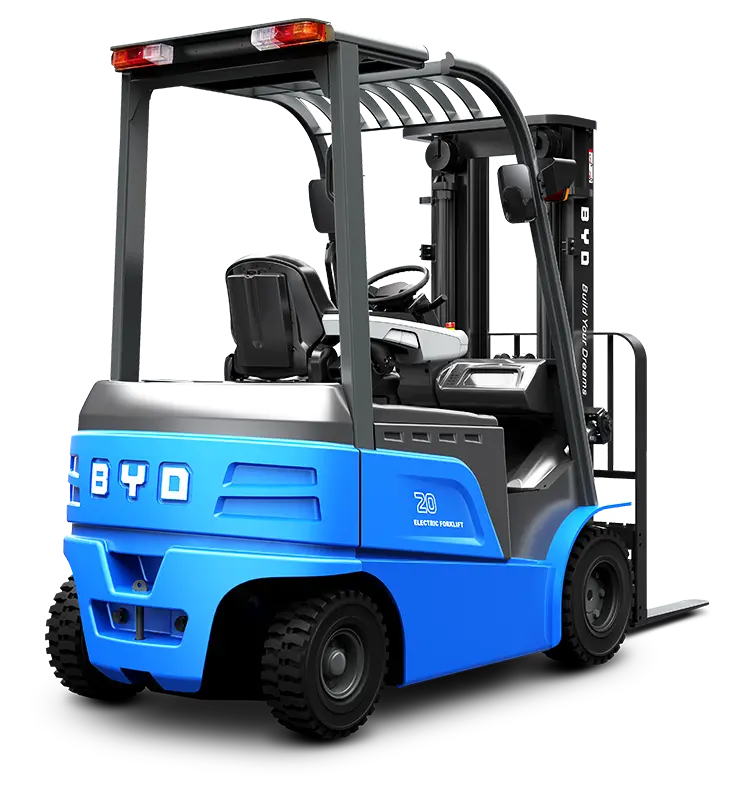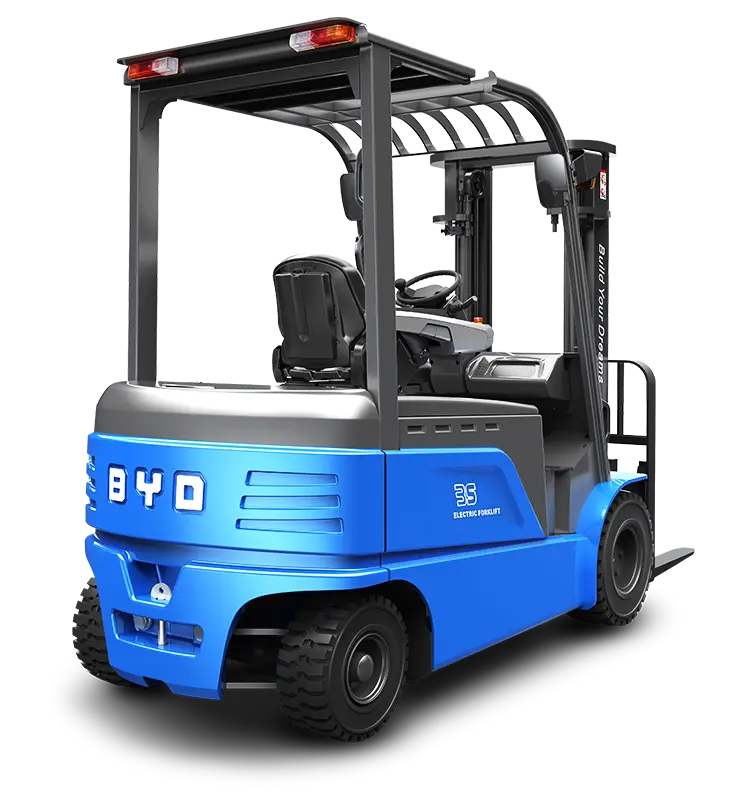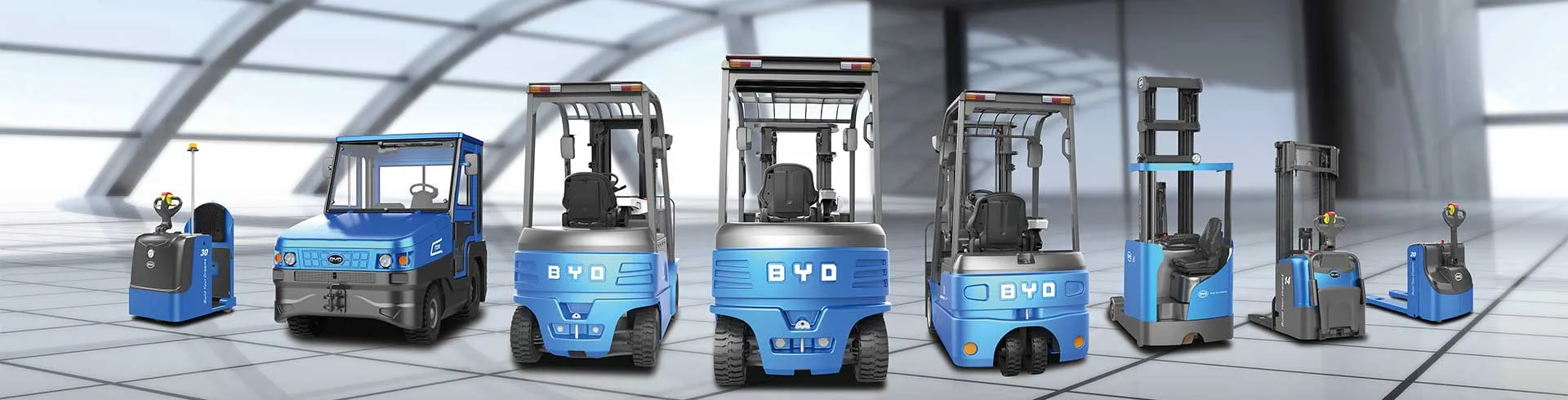
In daily warehouse logistics operations, standardized identification and proper response to forklift operating signs are core prerequisites to guarantee operation safety, reduce operation errors, and improve overall cargo turnover efficiency. For new energy electric forklift users, mastering these sign rules can also give full play to the advantages of low noise, zero emission and stable operation of electric models, avoid unnecessary wear of equipment components, and extend the reasonable service life of the whole vehicle.
First, we classify common warehouse forklift operating signs according to different functional attributes. The first category is safety warning signs, which are usually set up at blind corners of aisles, passages with frequent pedestrian crossing, and places with low clear height. These signs remind operators to slow down in advance, honk to prompt surrounding personnel, and confirm that there is no obstacle before passing through the corresponding area. The second category is operation specification signs, which are mostly posted near the charging area of electric forklifts, the stacking limit area of goods, and the load-bearing prompt area of the container, to clarify the maximum allowable load, the maximum height of fork lifting, and the standardized operation process of charging after the shift. The third category is access indication signs, which are used to guide the driving route of forklifts in the warehouse, specify the one-way driving direction of narrow aisles, and avoid the safety hidden dangers caused by head-on meeting of two forklifts in narrow spaces.
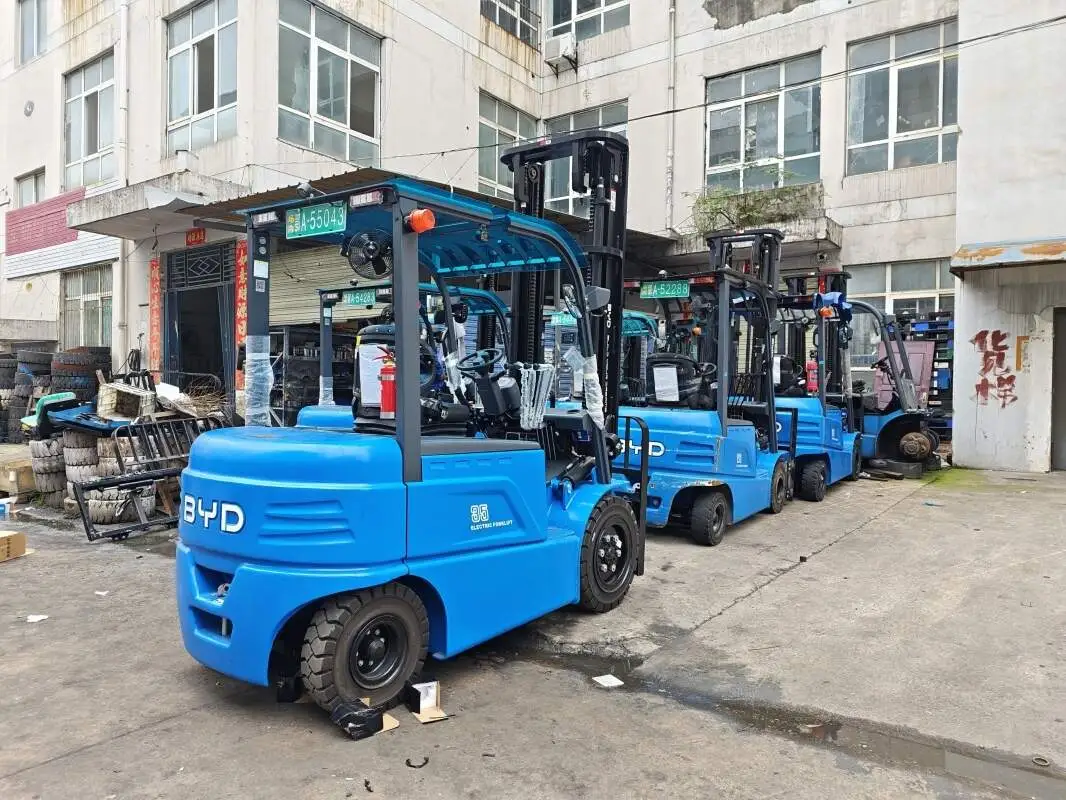
When operators receive pre-job training, they need to combine the actual layout of the warehouse to identify all types of operating signs, and form a habitual response mechanism, instead of taking a detour or ignoring the signs for the sake of temporary operation convenience. Jianxin New Energy, which specializes in BYD electric forklifts, will also provide corresponding sign specification explanation guidance while providing delivery and after-sales service, to help warehouse management personnel build a more complete operation safety system.
Enterprises can organize regular re-recognition and assessment of operating signs for all forklift operators, check the completeness and clarity of the signs in various areas of the warehouse, and replace the blurred and damaged signs in time, which can effectively reduce the occurrence of operation accidents, create a more orderly working environment for warehouse staff, and steadily improve the overall operation efficiency of the logistics link.