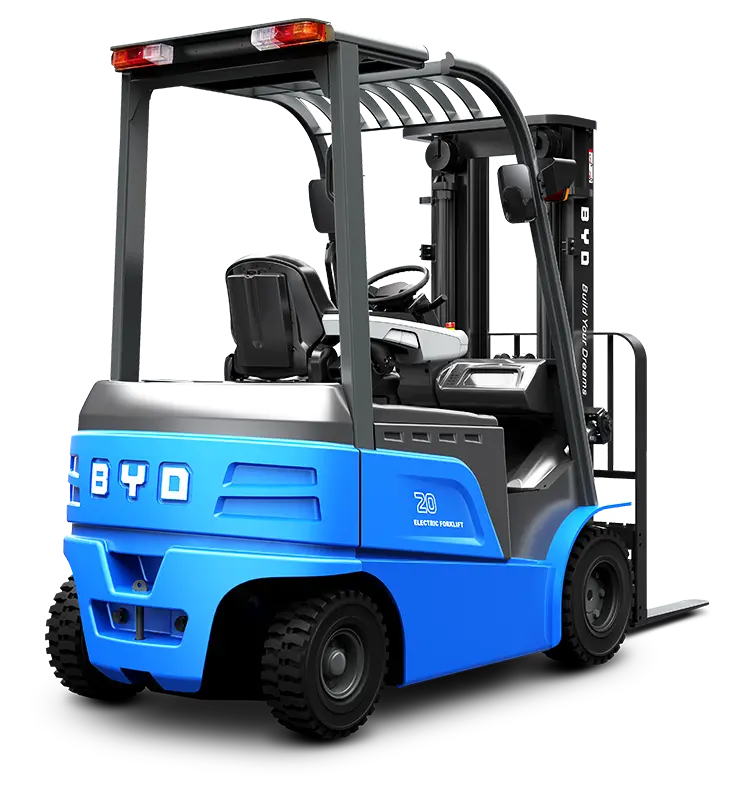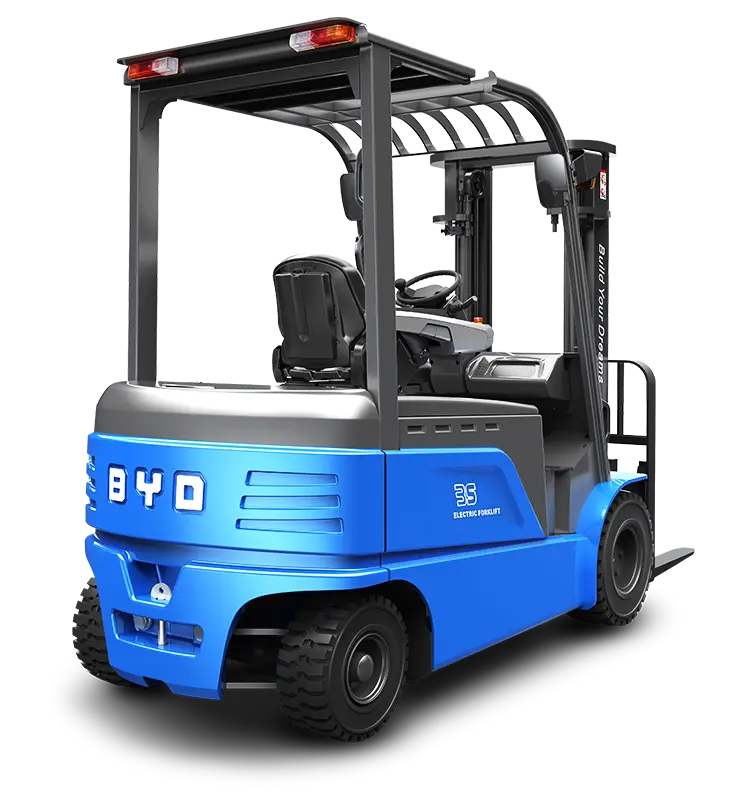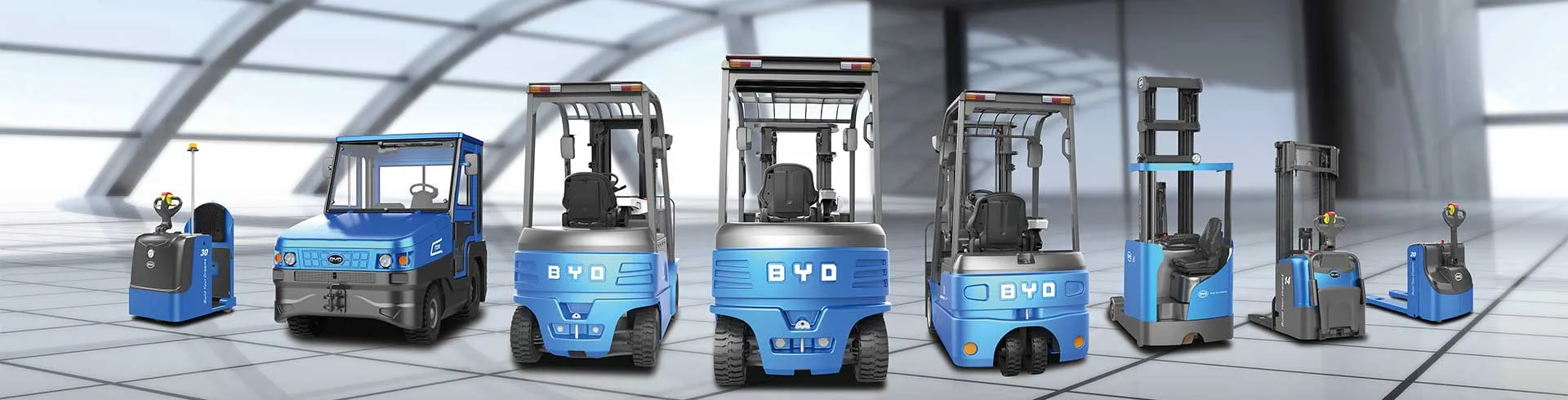
When you observe a forklift operating in a warehouse, logistics yard or manufacturing workshop, the two prominent horizontal metal parts extending from the front of the vehicle are the components most people refer to as prongs in daily conversation. In formal industrial terminology, these parts have two widely accepted standard names: forklift tines and forklift forks. Many new material handling practitioners often mix up different terms for this core component, and lack systematic understanding of their functional differences, which may lead to improper selection or operation that brings hidden safety risks.
The professional team from Jianshu New Energy, who specializes in the sales and after-sales service of BYD electric forklifts, has sorted out clear practical information for all logistics practitioners and forklift operators, to help you grasp the core points of this common used component quickly without redundant professional jargon barriers.
The first common difference between different forklift prongs, or forks, lies in their load capacity rating. Different thicknesses and forging processes of forks correspond to distinct maximum load limits, and operators must check the identity label marked on the fork body before each shift to confirm it matches the weight of the goods to be handled. Overloading forks beyond the marked rated value will not only cause permanent deformation of the parts, but also may lead to accidental slipping of goods during operation.
The second difference lies in their length. Short forks are more suitable for narrow aisle operation scenarios, which can reduce the turning radius requirement of the whole vehicle, and avoid collision with surrounding goods or shelf structures in compact storage spaces. Longer forks can support the handling of two pallets of goods at the same time, effectively improving the work efficiency of batch material transportation in large open storage yards.
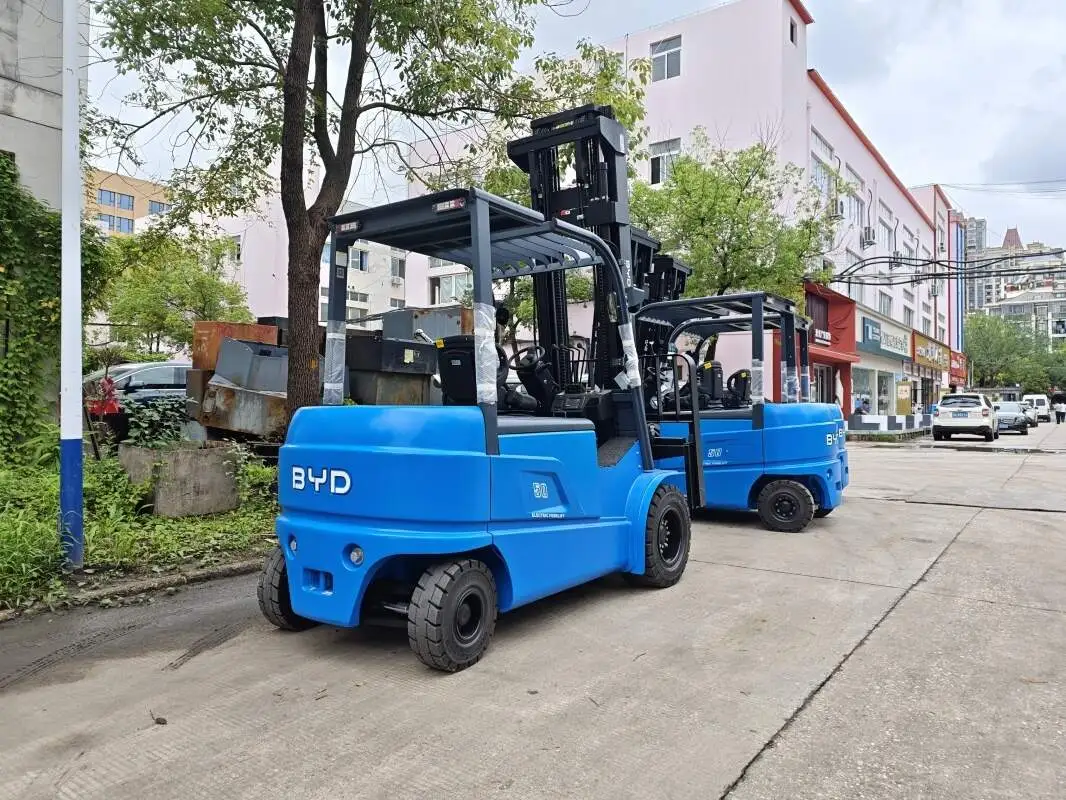
The third difference lies in the surface treatment and applicable working scenarios. Conventional forks made of high-strength alloy steel can meet the daily handling needs of most normal temperature storage scenarios, while specially treated forks with anti-corrosion or anti-low temperature performance can adapt to special working environments such as cold storage and chemical raw material storage yards.
For daily use, regular inspection of fork wear degree is a necessary part of forklift maintenance work. Once the wear thickness exceeds the specified safe range, operators should replace the corresponding parts in time to avoid safety accidents. Users who need to purchase or replace matching forks for electric forklifts can get full professional support from the service team of Jianshu New Energy, to ensure that all material handling operations are carried out in a safe and stable state.