Forklifts are the core material handling equipment in all types of modern warehouses, supporting the regular operation of goods storage, sorting, and outbound links. For warehouse operation managers, clarifying the reasonable lifespan of forklifts and grasping the rules of equipment wear is the key measure to control operating costs, reduce unexpected downtime, and guarantee stable operation of the whole logistics link.
The actual service life of forklifts is not a fixed value, which is affected by multiple factors from daily operation scenarios. First, the working strength of the equipment has a direct correlation with the wear rate: long-time continuous high-load operation, frequent operation on uneven or slippery ground, and long-term exposure to high-dust, low-temperature or high-humidity working environment will accelerate the aging of internal components to a certain extent. In addition, the operation habits of on-site operators also have a great impact: standardized operation in accordance with the operation manual, avoiding violent impact on the tray or the chassis of the equipment, can effectively reduce unnecessary loss of non-core components.
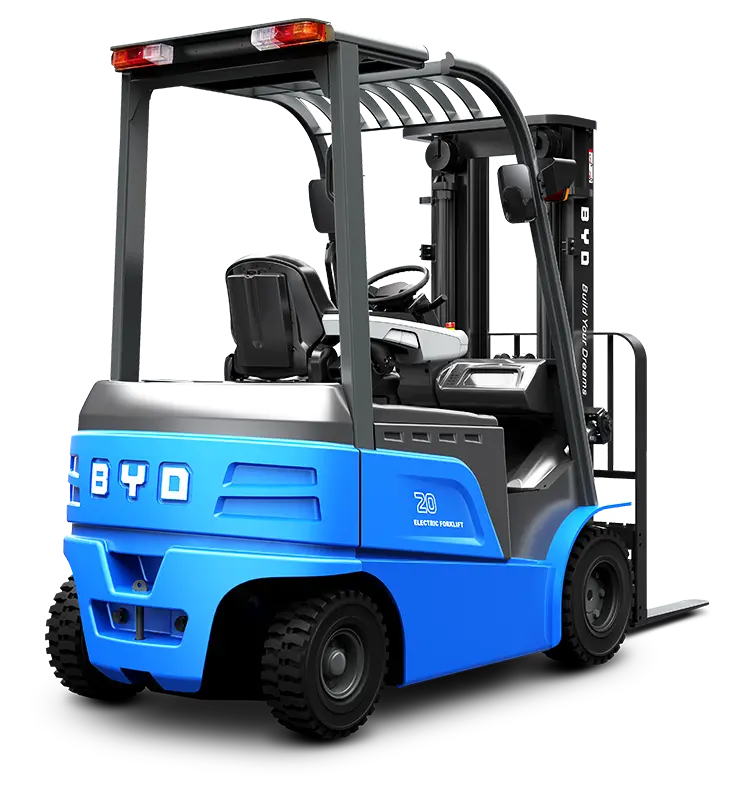
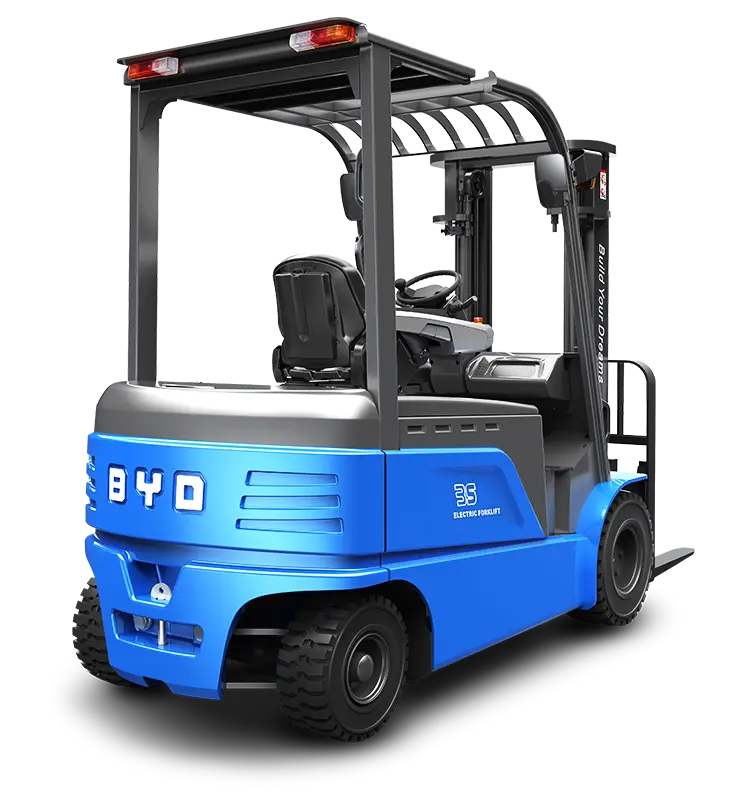
For electric forklifts that are widely used in modern green warehouses, the maintenance status of core components directly determines the overall lifespan of the equipment. The power battery, driving motor, hydraulic transmission system and walking parts are all key objects for regular inspection. Following the manufacturer's recommended maintenance cycle to complete component calibration, dust removal, lubrication and aging inspection can keep the equipment running in a good condition for a long time.
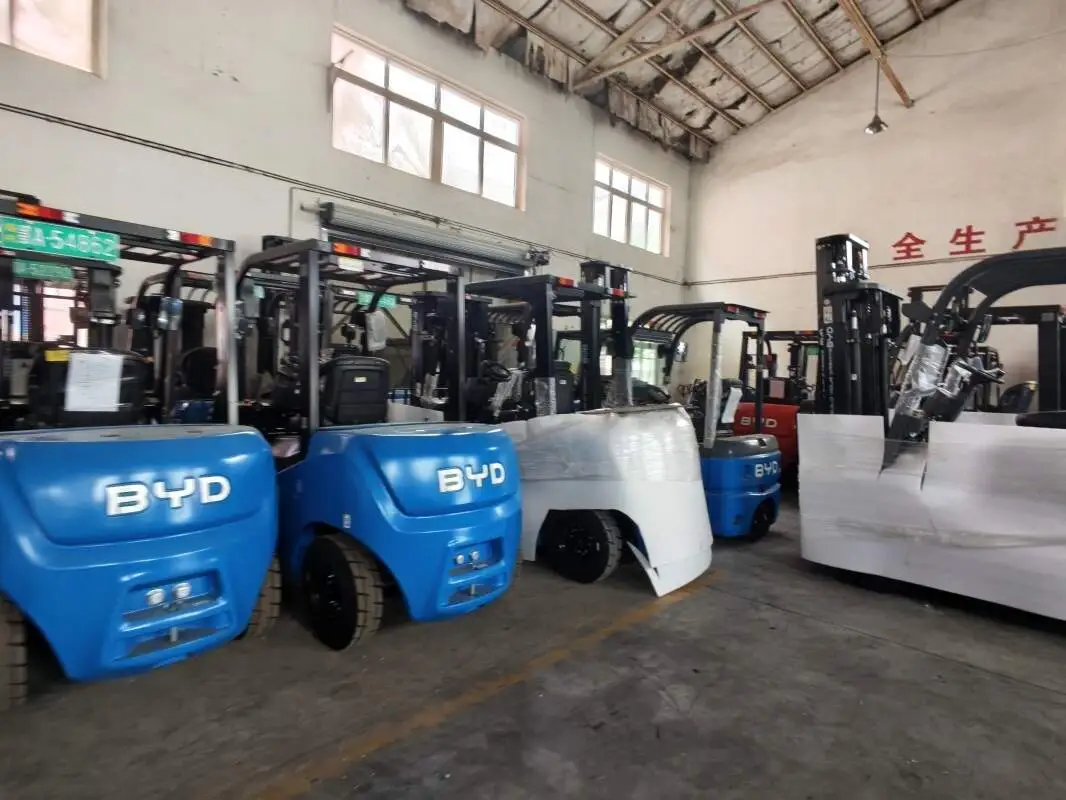
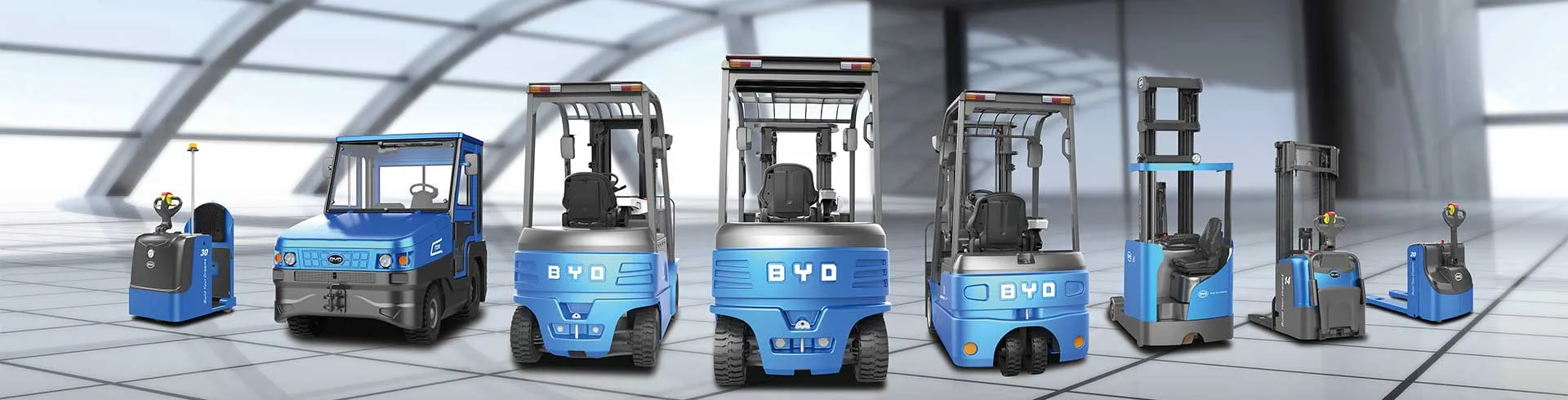
As a professional new energy industrial handling equipment service provider, Jianshu New Energy specializes in BYD electric forklifts, and can provide customers with systematic full-cycle operation and maintenance guidance, helping warehouse managers to reasonably arrange equipment use plans and maintenance schedules, maximize the use value of each device, and avoid unnecessary equipment replacement costs in advance.

It is also recommended that warehouse operators establish a complete equipment operation ledger, record the daily operation duration, maintenance records, and component replacement status of each forklift, arrange regular professional safety inspections, and replace the wearing parts that reach the wear threshold in time. Under the premise of strictly ensuring operation safety, the full lifecycle value of the forklift can be fully exerted, to provide continuous stable support for the daily material handling work of the warehouse.