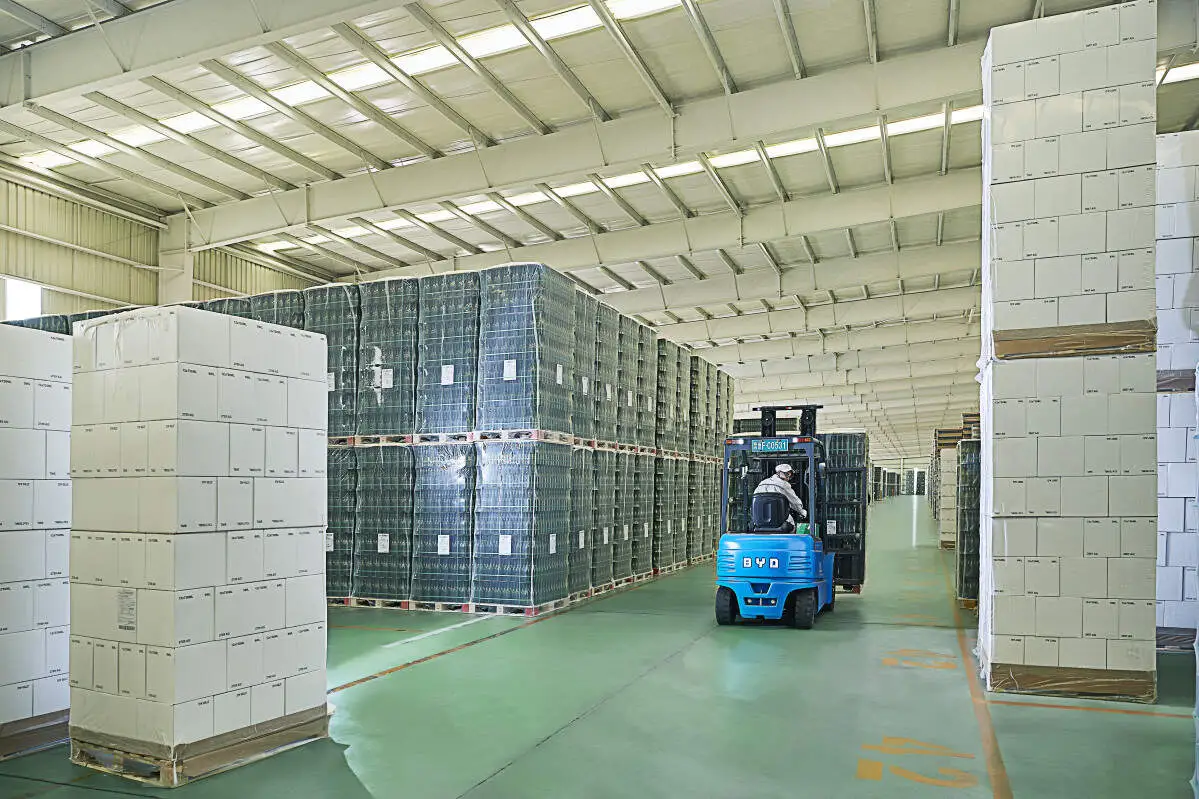
Medium-sized warehouses face unique material handling challenges—balancing efficient inventory movement with space constraints and operational costs. A 3-ton electric forklift emerges as a versatile solution, but selecting the right model requires careful evaluation of your specific needs and operational priorities. Below is a structured guide to help you navigate the purchase process effectively.
First, assess your warehouse’s specific requirements. Start by analyzing your warehouse layout: narrow aisles, low ceiling heights, and tight turning areas demand a forklift with compact dimensions and excellent maneuverability. Measure aisle widths and overhead clearance to ensure the forklift can operate without hindrance. For warehouses storing palletized goods, consider the standard pallet size and lifting height needed to reach upper storage racks. Next, evaluate the types of loads you handle. While a 3-ton capacity is suitable for most medium-duty applications, frequent handling of uneven or specialized loads may require additional features like side-shifters or fork positioners. Also, assess usage frequency: if the forklift operates multiple shifts daily, prioritize models with robust durability and reliable charging solutions.
Core performance factors are critical to operational efficiency. Battery life stands out as a key consideration for electric forklifts. For medium-sized warehouses running 8-10 hour shifts, lithium-ion batteries with quick-charging capabilities minimize downtime compared to lead-acid alternatives. Calculate your daily operating range based on average load weight and travel distance within the warehouse to ensure the battery can last through the shift without mid-operation charging. Lifting performance should align with your storage needs: verify the forklift’s maximum lifting height matches your tallest storage racks, and that it maintains stable lifting capacity at elevated heights. Maneuverability is equally important—look for models with tight turning radii and responsive steering to navigate crowded floors efficiently.
Safety and compliance should never be overlooked. Essential safety features include anti-slip flooring on the operator platform, overhead guard protection, and automatic braking systems. Some models offer visibility enhancements like rearview cameras or LED lighting to improve operator awareness in low-light areas. Ensure the forklift meets local occupational safety standards to avoid compliance issues. Ergonomic features also play a role in safety: adjustable seats, intuitive control panels, and low-vibration operation reduce operator fatigue, which can lead to accidents during long shifts.
Finally, calculate the total cost of ownership (TCO) beyond the initial purchase price. Electric forklifts typically have lower maintenance costs than diesel or gas models due to fewer moving parts, but battery replacement costs and charging infrastructure should be factored in. Compare energy efficiency across models—higher efficiency translates to lower electricity costs over time. Don’t forget after-sales support: choose a supplier that offers regular maintenance services, readily available replacement parts, and technical support. A reliable support network ensures minimal downtime if repairs are needed, keeping your warehouse operations running smoothly.
By systematically evaluating your warehouse needs, prioritizing core performance factors, ensuring safety and compliance, and calculating TCO, you can select a 3-ton electric forklift that enhances operational efficiency and delivers long-term value for your medium-sized warehouse. Taking the time to research and compare options will help you make an informed decision aligned with your business goals.