


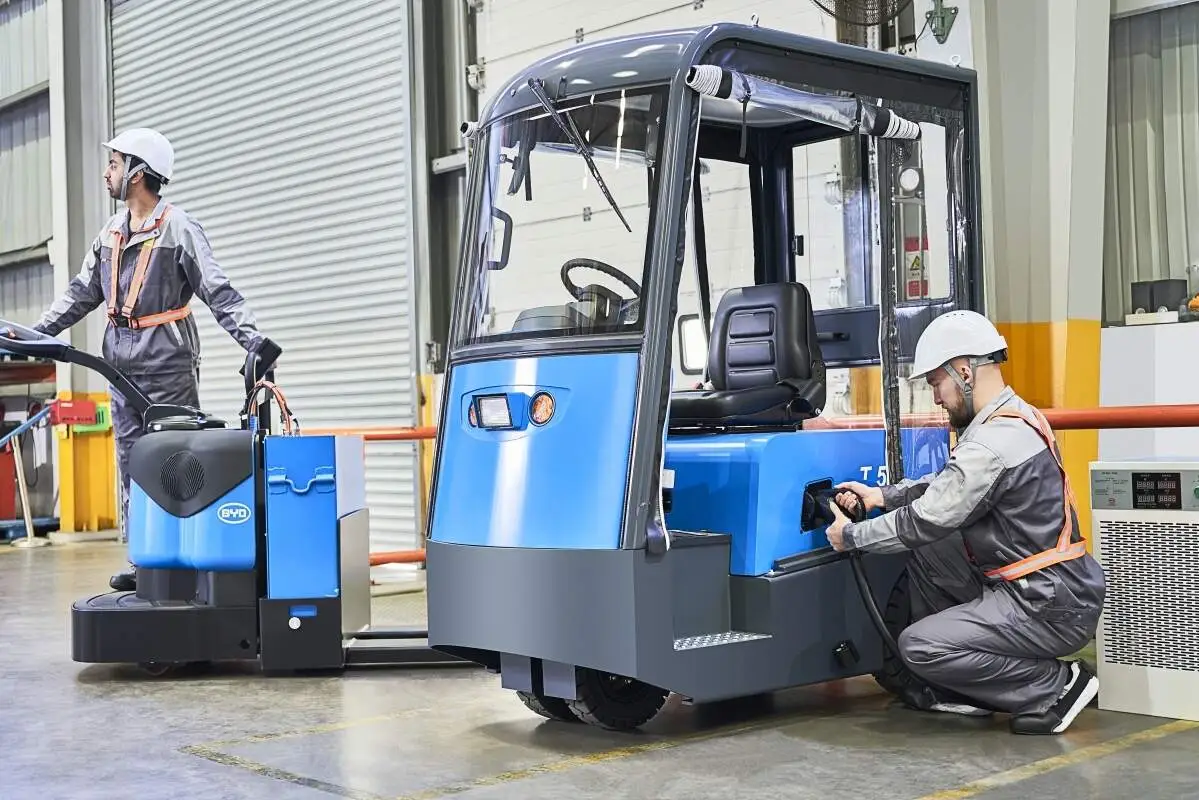
As Europe accelerates its transition to sustainable logistics, electric forklifts have emerged as a core solution for warehouses, distribution centers, and industrial facilities. However, purchasing a new electric forklift requires careful consideration of regional regulations, operational demands, and long-term costs. This checklist guides buyers through key factors to make an informed, compliant decision.
First, prioritize regulatory compliance with European Union (EU) and local standards. Ensure the forklift meets EU Stage V emissions guidelines—while electric models produce zero tailpipe emissions, auxiliary components must adhere to these framework requirements. Confirm alignment with EN 1726 safety standards, which mandate critical features like overload protection, emergency stop functions, and enhanced visibility aids. For operations involving public road access, verify local traffic authority rules for registration, lighting, and weight restrictions.
Next, conduct a thorough operational needs assessment. Match the forklift’s load capacity to the heaviest items your team handles regularly to avoid unnecessary strain. Evaluate workspace constraints: narrow warehouses may require compact three-way reach trucks, while outdoor operations demand models with robust tires and higher IP ratings for weather resistance. Calculate daily operating hours to determine battery capacity; if shifts extend beyond 8 hours, explore swappable battery options or fast-charging capabilities to minimize downtime.
Battery type and charging infrastructure are critical considerations. Lead-acid batteries have lower upfront costs but require regular maintenance, such as water topping-up, and longer charging cycles. Lithium-ion batteries offer longer lifespans, faster charging, and minimal maintenance, though they come with a higher initial investment. Assess your facility’s electrical capacity to support charging stations, and plan for safe battery storage. For multi-shift operations, overnight charging or dedicated battery swapping stations can ensure continuous workflow.
Look beyond the initial purchase price to calculate total cost of ownership (TCO). Electric forklifts typically have lower energy costs—electricity is 30-50% cheaper than diesel or propane per hour of operation. Maintenance costs are also reduced, as electric models have fewer moving parts than internal combustion engines. Factor in battery replacement costs, insurance premiums, and depreciation rates to compare long-term expenses against traditional forklifts.
Choose a supplier with reliable after-sales support across Europe. Check the availability of service centers in your region to ensure prompt repairs and maintenance. Inquire about response times for emergency breakdowns, as unplanned downtime can disrupt operational efficiency. Ensure the supplier offers operator training programs to teach safe handling, battery maintenance, and basic troubleshooting. Confirm the availability of spare parts to avoid lengthy wait times for replacements.
Finally, conduct on-site testing before finalizing a purchase. Arrange a trial run of the forklift in your actual working environment to assess its performance. Test maneuverability in narrow aisles, load handling on ramps, and noise levels—critical for indoor operations where worker comfort is a priority. Observe how the battery holds up during a typical work shift to ensure it meets your energy needs. This hands-on evaluation helps identify potential issues that may not be apparent in a showroom setting.
By following this checklist, buyers can select a new electric forklift that aligns with European regulations, operational demands, and financial goals. Taking the time to assess each factor ensures a smooth transition to electric-powered logistics, reducing environmental impact while improving operational efficiency and long-term cost savings.

