


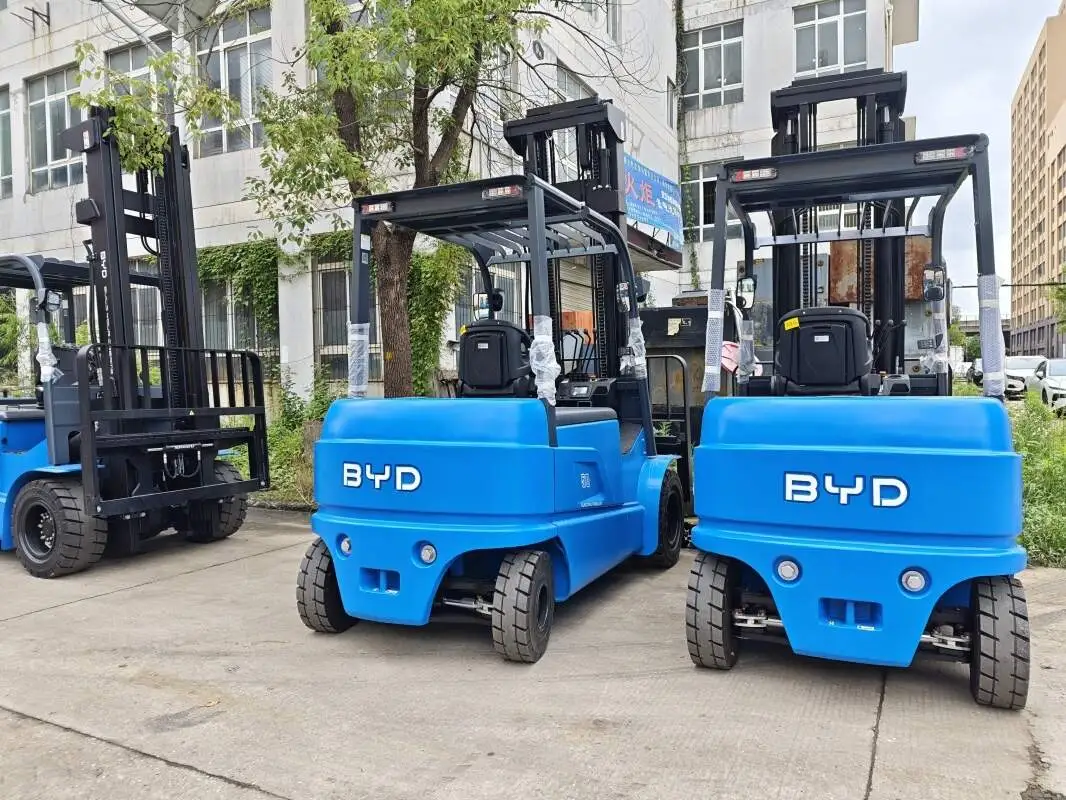
In modern warehouse operations, efficient material handling is a cornerstone of productivity, and electric forklifts have emerged as a preferred solution due to their eco-friendly nature, low noise levels, and reduced operational costs compared to internal combustion alternatives. However, selecting the right electric forklift requires careful consideration of multiple factors to ensure it aligns with your warehouse’s unique needs.
First and foremost, assess your warehouse’s load requirements. Start by analyzing the average weight of the goods you handle daily, as well as any peak load scenarios that may occur during busy periods. Choosing a forklift with a load capacity that matches or slightly exceeds your maximum needs ensures safe and efficient operations. Overloading a forklift can lead to safety hazards and equipment damage, while opting for an overly high capacity model may result in unnecessary upfront costs and reduced maneuverability in tight spaces.
Next, evaluate the required lift height for your warehouse. The height of your storage racks directly dictates the minimum lift capacity your forklift must have. If your warehouse utilizes high-level shelving systems, you’ll need a forklift with sufficient vertical reach to stack and retrieve goods safely. Additionally, consider the clearance needed between the top of the load and the ceiling or overhead structures to avoid collisions during operation. It’s also important to note that lift height can impact the forklift’s stability, so ensure the model you choose maintains balance even at maximum elevation.
Your warehouse’s environment is another critical factor to consider. For warehouses with narrow aisles, a compact electric forklift with a small turning radius is essential to navigate tight spaces without damaging racks or goods. If your facility operates in damp or cold conditions, look for models with corrosion-resistant components and insulated electrical systems to prevent damage from moisture or temperature fluctuations. For outdoor or semi-outdoor operations, select electric forklifts designed with weatherproof features to withstand exposure to rain or sunlight, though it’s worth noting that most electric models perform best in indoor or covered environments.
Choosing the right battery type is key to optimizing uptime. Lead-acid batteries are a cost-effective option, but they require longer charging times, regular maintenance like watering, and have a shorter overall lifespan. Lithium-ion batteries, on the other hand, offer faster charging, longer cycle life, and minimal maintenance, making them ideal for multi-shift operations where downtime must be kept to a minimum. Evaluate your warehouse’s charging infrastructure—if you have limited space for charging stations or need quick turnaround between shifts, lithium-ion batteries may be the better choice. Conversely, if budget is a primary concern and you have adequate time for charging and maintenance, lead-acid batteries can provide reliable performance.
Don’t overlook maintenance and long-term operational costs. While electric forklifts generally have lower maintenance needs than their diesel or gasoline counterparts, regular inspections are still necessary to ensure optimal performance. This includes checking brake systems, tire condition, battery connections, and hydraulic components. Consider the availability of replacement parts and local service support when selecting a model, as easy access to maintenance resources can reduce downtime. Additionally, factor in the cost of operator training—properly trained staff can operate the forklift safely, reducing the risk of accidents and equipment damage that can lead to costly repairs.
Finally, whenever possible, test the forklift in your actual warehouse environment before making a purchase. Schedule a demo to evaluate how the forklift handles your specific load types, navigates your aisles, and performs at your required lift heights. This hands-on testing can reveal potential issues that may not be apparent from specifications alone. Additionally, communicate your long-term operational goals with the supplier to ensure they can provide ongoing support, such as battery replacement services or maintenance plans, to keep your forklift running smoothly for years to come.
By taking the time to evaluate these key factors, you can select an electric forklift that not only meets your immediate material handling needs but also supports your warehouse’s long-term efficiency and sustainability goals.

