


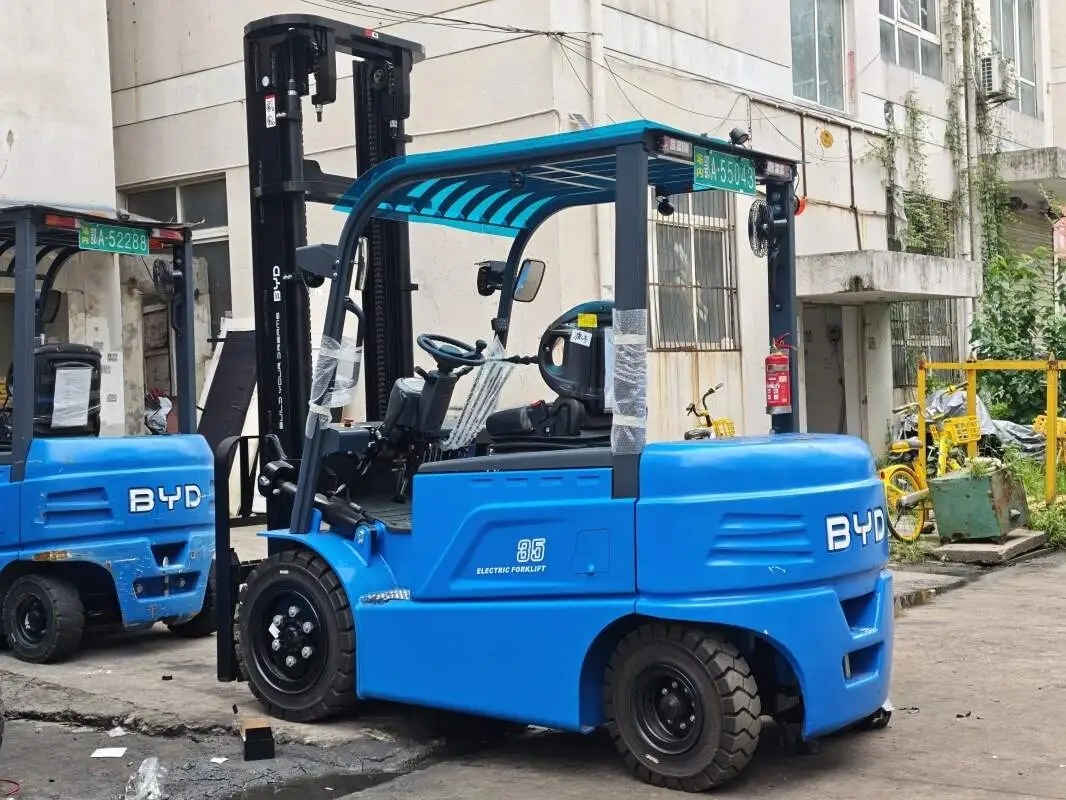
As businesses increasingly prioritize sustainable and efficient material handling solutions, 2.5 ton electric counterbalance forklifts have become a popular choice for both indoor and outdoor operations. Unlike their diesel-powered counterparts, these forklifts produce zero emissions, operate with lower noise levels, and offer smoother handling. However, selecting the right model requires careful evaluation of several critical factors to ensure it aligns with your operational needs and long-term goals.
First and foremost, assess your operational environment. For indoor settings such as warehouses or manufacturing facilities, consider factors like aisle width—narrower spaces may require forklifts with enhanced maneuverability, such as a tighter turning radius. Flooring conditions are also important; smooth, concrete floors are ideal for standard models, while uneven or outdoor surfaces may demand forklifts with robust tires and improved suspension to maintain stability. Additionally, temperature extremes can impact battery performance; if your operations take place in cold storage facilities, look for models designed to function reliably in low-temperature environments.
Next, define your performance requirements. While the forklift is rated for 2.5 tons, evaluate the actual load weights you’ll be handling on a daily basis, as occasional peak loads may influence your choice. Lift height is another key consideration—if you need to stack pallets in high-rise racks, ensure the forklift can reach the required height without compromising stability. Also, consider operational speed: facilities with large open areas may benefit from forklifts with higher travel speeds, while congested spaces may require slower, more controlled movement. Don’t overlook battery life; calculate your daily operating hours and ensure the forklift’s battery can last through a full shift, or opt for models with quick-charging capabilities if downtime is a concern.
Maintenance and lifecycle costs are essential for long-term budget planning. electric forklifts generally have fewer moving parts than diesel models, but battery maintenance varies significantly depending on the type. Lead-acid batteries are more affordable upfront but require regular watering and longer charging times, while lithium-ion batteries have a longer lifespan, faster charging, and minimal maintenance, though they come with a higher initial investment. Additionally, consider the availability of replacement parts and service support in your area to minimize downtime. Factor in long-term costs such as energy consumption, replacement batteries, and routine servicing to determine the most cost-effective option for your business.
Safety should never be compromised when selecting a forklift. Look for essential safety features such as an anti-tip system, which helps prevent accidents when lifting heavy loads or navigating uneven terrain. Seat belts, operator presence sensors, and emergency stop buttons are basic but critical features that protect both the operator and surrounding personnel. Good visibility is also key—opt for models with a clear line of sight to the forks and surrounding areas, possibly with enhanced mirrors or camera systems for blind spots. For outdoor operations, ensure the forklift has proper lighting and reflective markings to improve visibility in low-light conditions.
Finally, choose the right energy source based on your operational needs. Lead-acid batteries are a cost-effective choice for businesses with lower daily usage and access to dedicated charging areas. Lithium-ion batteries, on the other hand, are ideal for high-intensity operations that require quick charging and minimal downtime. Some models also offer swappable batteries, allowing you to replace a depleted battery with a fully charged one in minutes, eliminating the need for long charging breaks. Evaluate your charging infrastructure and operational workflow to determine which energy source will provide the most efficiency.
In conclusion, selecting a 2.5 ton electric counterbalance forklift involves a holistic assessment of your operational environment, performance needs, budget, safety requirements, and energy preferences. By carefully considering these key factors, you can choose a forklift that not only meets your immediate material handling needs but also contributes to improved efficiency, reduced costs, and a safer workplace over its lifecycle.

