


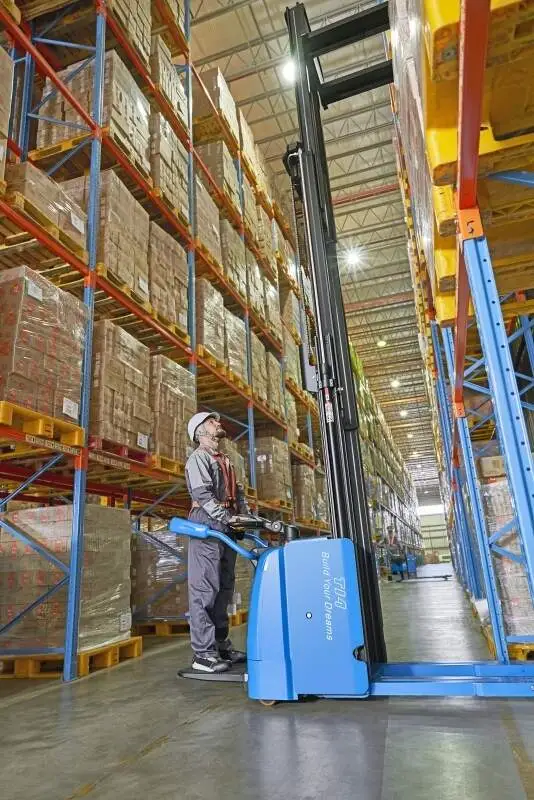
In modern logistics facilities, efficient material handling stands as the backbone of seamless daily operations, and electric pallet trucks have emerged as indispensable tools for transporting goods across warehouses, distribution centers, and storage hubs. Selecting the optimal electric pallet truck demands a thorough evaluation of core performance metrics, as various models are engineered to meet distinct operational needs. This analysis offers an in-depth comparison of critical factors to consider when assessing these vehicles.
Load capacity serves as the foundational metric for electric pallet trucks, directly aligning with a facility’s typical cargo volume and weight requirements. Models range from compact units designed for light loads of around 2,000 kilograms, ideal for small warehouses or retail storage spaces handling cartons and small crates, to heavy-duty variants capable of supporting up to 5,000 kilograms, suited for large-scale distribution centers moving palletized industrial goods. Matching load capacity to daily cargo throughput ensures safe, efficient operations while preventing unnecessary strain on equipment components, which can extend the vehicle’s service life.
Maneuverability is another key consideration, especially in facilities with varied layout configurations. Narrow-aisle optimized electric pallet trucks feature tight turning radii, often as small as 1.2 meters, allowing operators to navigate between dense shelving units and confined spaces with ease. In contrast, models designed for open warehouse floors or loading docks prioritize stability, with wider wheelbases and enhanced suspension systems to maintain control when transporting heavy loads across uneven surfaces. Electric power steering, a common feature in many modern models, further improves maneuverability by reducing operator effort, particularly during long shifts or repetitive tasks.
Battery performance and runtime directly impact operational continuity, making it a critical factor for facilities with multi-shift operations. Lead-acid batteries, a traditional option, offer lower upfront costs but require longer charging times—typically 8 to 12 hours—and have a shorter cycle life, necessitating more frequent replacements. Lithium-ion batteries, by comparison, provide faster charging capabilities, with some models reaching full charge in 2 to 4 hours, and boast a longer cycle life of up to 2,000 charge cycles. Additionally, lithium-ion batteries require less maintenance, as they do not need regular water top-ups, making them a cost-effective choice for high-demand facilities.
Operational costs and maintenance requirements also play a vital role in long-term budget planning. While lithium-ion powered trucks have a higher initial purchase price, their lower maintenance costs and longer battery life often result in lower total cost of ownership over time. Lead-acid models, despite lower upfront costs, require ongoing maintenance such as battery cleaning, electrolyte level checks, and terminal inspections. Routine maintenance for all electric pallet trucks includes regular inspections of tires, brake systems, and hydraulic components to ensure safe operation and prevent unexpected downtime.
Ergonomic design features contribute to operator comfort and productivity, particularly in facilities where operators spend extended periods operating the equipment. Adjustable seats with lumbar support, ergonomically positioned control handles, and anti-vibration flooring reduce operator fatigue, minimizing the risk of work-related injuries and improving overall efficiency. Some models also include features like intuitive control panels and clear visibility of the load area, further enhancing operator safety and ease of use.
In conclusion, there is no universal solution when selecting an electric pallet truck for logistics facilities. Businesses must evaluate their specific operational needs, including cargo weight, warehouse layout, shift schedules, and budget constraints. By prioritizing factors such as load capacity, maneuverability, battery performance, operational costs, and ergonomics, logistics managers can make informed decisions that optimize material handling processes, enhance operational efficiency, and reduce long-term operational expenses.

