


Multi-shift warehouse operations demand reliable material handling equipment that can keep pace with continuous workflows, minimal downtime, and consistent performance across long hours. electric forklifts have emerged as a preferred choice for such environments due to their lower emissions, quieter operation, and reduced long-term costs compared to internal combustion alternatives. However, not all electric forklifts are designed to meet the unique demands of multi-shift operations. Selecting the right model requires careful consideration of several critical factors to ensure it aligns with your warehouse’s specific needs and operational rhythms.
Battery capacity and charging flexibility are foundational for multi-shift success. Uninterrupted power is non-negotiable, so the battery’s ampere-hour (Ah) rating should match your average shift length and workload. For a three 8-hour shift schedule, a forklift with a battery that can last an entire full shift, or access to fast-charging technology, is essential. Fast-charging allows operators to top up batteries during short breaks, while swappable battery systems eliminate downtime entirely by letting users replace drained batteries with fully charged ones in minutes. It’s also important to evaluate your warehouse’s charging infrastructure—including dedicated stations, space for battery swapping, and the ability to manage charging schedules to avoid peak energy costs.
Durability and build quality are equally important for equipment operating 16 to 24 hours daily. Look for models with robust frames, reinforced forks, and high-quality components that can handle repetitive lifting, maneuvering, and heavy loads. The suspension system should absorb shocks from uneven warehouse floors, reducing strain on both the equipment and operators. Solid rubber tires are often preferred for multi-shift use, as they resist punctures and wear better than pneumatic tires, cutting down on frequent replacements. Additionally, check the IP rating of electrical components; a higher rating indicates better protection against dust and moisture, critical for warehouses with varying environmental conditions.
Maintenance requirements and serviceability directly impact downtime in multi-shift operations. Electric forklifts generally have fewer moving parts than combustion models, but regular upkeep is still necessary. Choose models with easy access to key components like batteries, motors, and hydraulic systems to simplify routine inspections and repairs. Built-in diagnostic tools can alert teams to potential issues before they escalate into major problems, preventing unexpected downtime. Also, consider the availability and cost of replacement parts; standardized components make servicing easier and more affordable, ensuring repairs are completed quickly to get the forklift back in use.
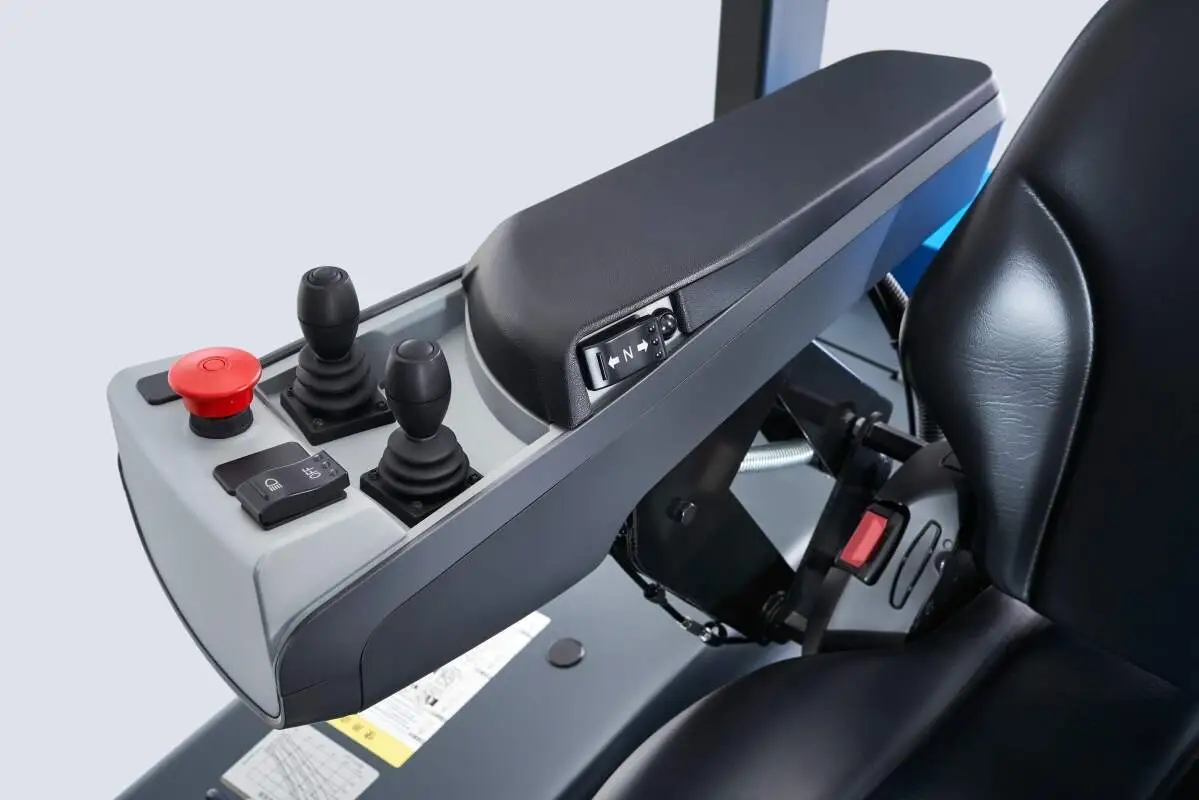
Operational efficiency and ergonomics play a key role in long-shift productivity. Electric forklifts with responsive controls, smooth acceleration, and precise lifting capabilities help operators move goods quickly and safely. Ergonomic design reduces operator fatigue during extended shifts—look for adjustable seats, ergonomic control levers, and clear visibility to minimize errors and improve safety. A smaller turning radius is beneficial for narrow warehouse aisles, allowing operators to maneuver more efficiently and save time. Regenerative braking systems, which recover energy during braking to extend battery life, also enhance energy efficiency and reduce overall operational costs.
Finally, match the forklift’s load capacity and lift height to your warehouse’s specific needs. Evaluate the maximum weight you need to lift and the height of storage racks to determine the required specifications. For warehouses with high rack storage, a forklift with sufficient lift height and capacity to handle pallets at those heights is essential. If you handle fragile goods or operate in cold storage, look for models with specialized features like insulated cabins or attachments tailored to these applications, ensuring optimal performance in unique operational conditions.
Selecting the right electric forklift for multi-shift warehouse operations is a strategic decision that impacts productivity, safety, and cost efficiency. By carefully evaluating battery performance, durability, maintenance needs, ergonomics, and load capacity, you can choose a model that aligns with your warehouse’s requirements and supports continuous, reliable operations. Taking the time to assess these factors upfront helps avoid costly downtime, reduce long-term expenses, and ensure your material handling equipment keeps pace with the demands of multi-shift workflows.

